



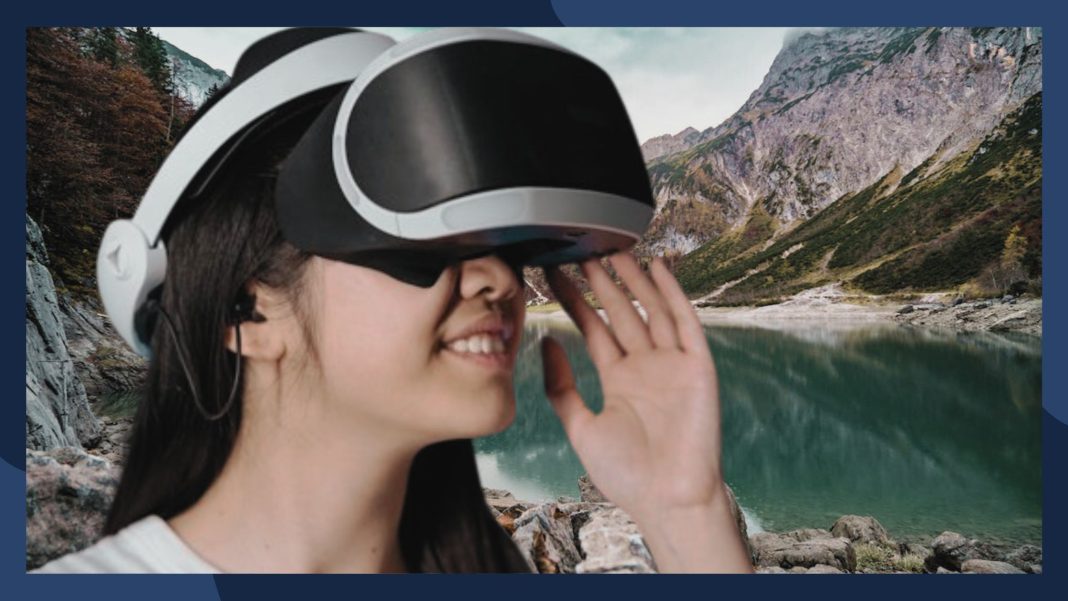
Augmented reality (AR) and virtual reality (VR) are reshaping the landscape of tourism and destination exploration. AR overlays digital information onto the physical world, offering travelers real-time guidance and interactive experiences.
Conversely, VR transports users to immersive virtual environments, allowing them to explore destinations from anywhere in the world. In this digital era, AR and VR are reforming how tourists engage with destinations, providing new opportunities for interactive learning, cultural immersion, and unforgettable experiences.
Applications Of AR And VR In Tourism
Here are twelve applications of AR and VR in tourism:
1. Augmented Reality City Guides: AR apps provide real-time navigation assistance and contextual information about landmarks, attractions, and points of interest in cities, enhancing tourists' exploration experiences.
2. Virtual Museum Tours: VR technology allows users to embark on virtual tours of museums and cultural institutions, enabling immersive exploration of exhibits and artifacts from anywhere in the world.
3. Interactive Historical Reenactments: AR experiences bring historical events and figures to life, allowing tourists to witness immersive reenactments and gain insights into the past through interactive storytelling.
4. Virtual Destination Previews: VR simulations offer travelers a preview of destinations, allowing them to explore attractions, landmarks, and natural wonders virtually before planning their trips.
5. AR Heritage Trails: AR-enabled heritage trails provide interactive experiences that guide tourists through historical sites, offering insights into their significance and cultural heritage.
6. Virtual Reality Theme Park Rides: VR attractions within theme parks offer thrilling and immersive experiences, transporting visitors to fantastical worlds and adventures through cutting-edge technology.
7. Augmented Reality Language Translation: AR apps with language translation features assisting travelers in overcoming language barriers by providing real-time translations of signs, menus, and other text in foreign languages.
8. Virtual Nature Tours: VR experiences allow users to embark on virtual nature tours, exploring national parks, wildlife reserves, and scenic landscapes in immersive detail.
9. AR Cultural Experiences: AR apps offer tourists interactive experiences that provide insights into local customs, traditions, and cultural practices, enriching their understanding and appreciation of diverse cultures.
10. Virtual Hotel Room Tours: VR technology enables travelers to take virtual tours of hotel rooms and accommodations, allowing them to preview amenities, layout, and decor before booking.
11. Augmented Reality Shopping Experiences: AR applications enhance the shopping experience for tourists by providing virtual try-on options, product information overlays, and interactive shopping guides.
12. Virtual Reality Adventure Activities: VR simulations offer tourists thrilling adventure experiences, such as virtual skydiving, scuba diving, and mountain climbing, providing adrenaline-pumping thrills in a safe and controlled environment.
Experts Insights
We’ve gathered insights from professionals in the field to explore the cutting-edge impact of augmented and virtual reality on tourism and destination exploration. From creating AR/VR-ready 3D attraction replicas to enhancing tourism storytelling, here are two experts with backgrounds in marketing who are seeing AR and VR transform destination exploration.
1. Creating AR/VR-Ready 3D Attraction Replicas
We worked for a client in the tourism industry whose vision is to make travel accessible to everyone at any time. To achieve this, we created AR/VR-ready 3D replicas of many major attractions for them, which they offered to their users so that they could see and glimpse all the major attractions of their country using AR/VR. This helped their users understand the actual scale of the attractions, which helped them buy the real tour from the client. By deploying AR/VR solutions, they increased their conversions by 28%.


Sahil Kumar, Marketing Associate, Ikarus 3D
2. Augmented Reality Enhances Storytelling In Tourism
We are all receiving immersive and interactive experiences from AR and VR. Stories captivate people, and augmented reality amplifies and enhances a location’s beauty to create truly unforgettable experiences. Through AR technology, tourists can participate actively in new experiences rather than just passive onlookers. I once read that travelers seek out authentic experiences that allow them to uncover undiscovered treasures that people back home are unaware of and to get a flavor of the local way of life.
When a place and technology are integrated, travelers can experience remarkable things and a better overall travel experience. The use of augmented reality elevates visitor experiences to a whole new level, rendering locations more engaging, immersive, and significant.

Kartik Ahuja, Digital Marketer, kartikahuja.com
Enhancing Destination Exploration
AR and VR technologies are fundamentally transforming the way travelers explore destinations. With AR, tourists can access real-time guidance and historical insights overlaid onto their physical surroundings, enriching their understanding of the destination’s significance.
VR enables immersive virtual tours, allowing travelers to experience destinations remotely and explore attractions and landmarks from their homes or accommodations. By providing interactive and immersive experiences, AR and VR enhance destination exploration, offering tourists new perspectives and deeper engagement with the places they visit.
Advantages And Challenges
The integration of AR and VR technologies into tourism offers numerous advantages. These technologies enhance visitor engagement by providing immersive and interactive experiences that captivate and educate travelers. AR-enabled guide apps offer real-time navigation assistance and contextual information about attractions, enhancing tourists’ understanding and enjoyment of their surroundings. Similarly, VR simulations allow travelers to virtually explore destinations, attractions, and cultural sites before visiting in person, helping them plan their trips more effectively and generating excitement about upcoming experiences.
AR and VR experiences have the potential to attract new audiences to destinations by offering unique and memorable interactions. These technologies cater to the preferences of modern travelers, who seek immersive and personalized experiences beyond traditional tourism offerings. When AR and VR are leveraged, travelers can differentiate destinations themselves in a competitive market, and this also appeals to tech-savvy travelers looking for innovative and engaging experiences.
However, the widespread adoption of AR and VR in tourism also presents challenges. Accessibility remains a concern, as not all travelers can access the devices or internet connectivity required to experience AR and VR content. Developing and implementing AR and VR experiences can be costly, requiring investments in technology infrastructure, content creation, and staff training. Additionally, there are concerns about privacy and data security, as AR and VR experiences may collect and store personal information about users.
Despite these challenges, AR and VR’s advantages in tourism outweigh the drawbacks, and ongoing technological reformation addresses many existing limitations. As the two technologies continue to evolve, they have the potential to revolutionize the tourism industry, offering travelers immersive, interactive, and unforgettable experiences that enhance destination exploration and create lasting memories.
Wrapping Up
The future of AR and VR in tourism appears promising, with continued technological developments driving innovation and expansion in the industry. As the two technologies become more accessible and affordable, they are expected to be integral in destination marketing, visitor engagement, and overall tourism development. These technologies will continue to evolve, offering travelers even more immersive and interactive experiences that enrich their exploration of destinations worldwide.


