

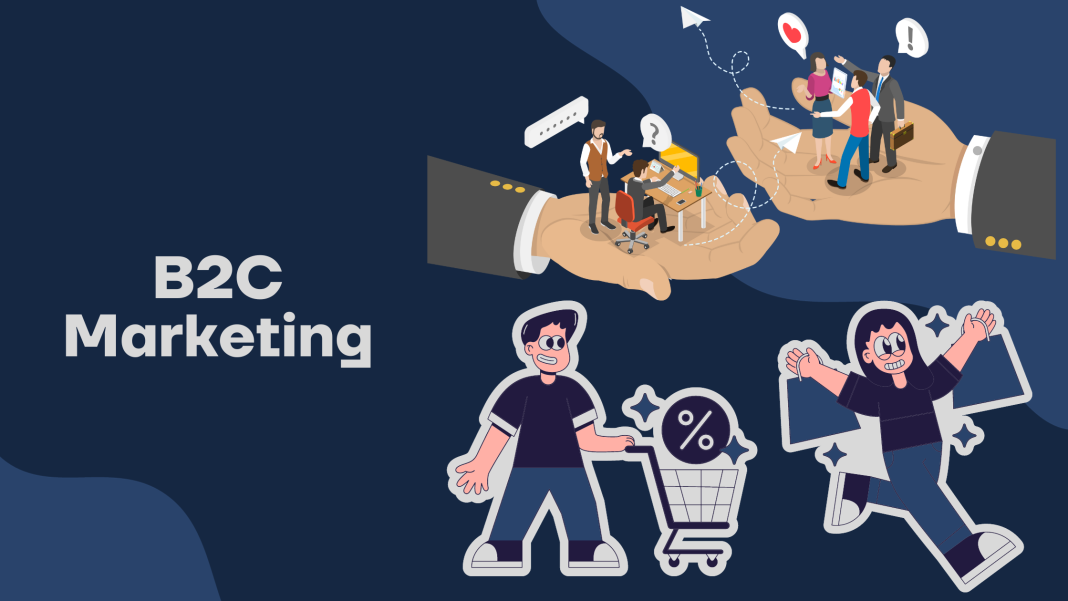
Business-to-consumer (B2C) marketing is the process of promoting products and services to individual consumers. It is a type of marketing that focuses on selling products and services directly to consumers rather than businesses or organizations. To succeed in B2C marketing, companies must clearly understand their target audience and develop effective strategies to reach them.
1. Use Social Media To Reach Your B2C Audience
Social media has become an increasingly important platform for businesses to reach their B2C audiences. By leveraging social media platforms, companies can create meaningful connections with their customers, build brand awareness, and increase sales.
Tips For Using Social Media To Reach Your B2C Audience
Identify Your Audience
You must identify who they are before using social media to reach your B2C audience. Consider the demographics of your target audience, such as age, gender, location, and interests. This will help you determine which social media platforms are best suited for your business.
Create Engaging Content
Once you’ve identified your target audience, you need to create content that will engage them. This could include videos, images, blog posts, or other content relevant to your audience. Use visuals and interesting headlines to draw attention to your content.
Utilize Paid Advertising
Paid advertising on social media can be a great way to reach your B2C audience. You can target specific demographics and interests, and you can also track the performance of your ads. This will help you determine which ads are most effective and which need to be adjusted.
Monitor And Respond
It’s essential to monitor your social media accounts and respond to comments and questions from your audience. This will help you build relationships with your customers and show that you value their feedback. It’s essential to monitor your social media accounts and respond to comments and questions from your audience. This will help you build relationships with your customers and show that you value their feedback.
2. Personalization In B2C Marketing
Personalization in B2C marketing has become increasingly important in recent years as businesses strive to create a more personalized customer experience. Personalization can be defined as the process of tailoring a product or service to meet the individual needs of a customer. By leveraging personalization, businesses can create a more engaging and meaningful customer experience, increasing customer loyalty and higher sales. The benefits of personalization in B2C marketing are numerous. Personalization can help businesses better understand their customers’ needs and preferences. By collecting data on customer behavior, companies can create more targeted marketing campaigns tailored to the individual customer. This can lead to higher conversion rates, as customers are more likely to respond to messages tailored to their interests.
Personalization can help businesses build stronger relationships with their customers. By providing customers with personalized experiences, companies can create a sense of loyalty and trust. This can lead to increased customer retention and higher customer lifetime value. Personalization can help companies to increase their profits. By providing customers with personalized experiences, businesses can increase their average order value and reduce customer churn. This can lead to higher profits and increased customer satisfaction.
Personalization can help businesses create a more efficient customer experience. By leveraging personalization, companies can reduce the time and effort required to complete a purchase. This can lead to increased customer satisfaction and improved customer service.
3. Influencer Marketing
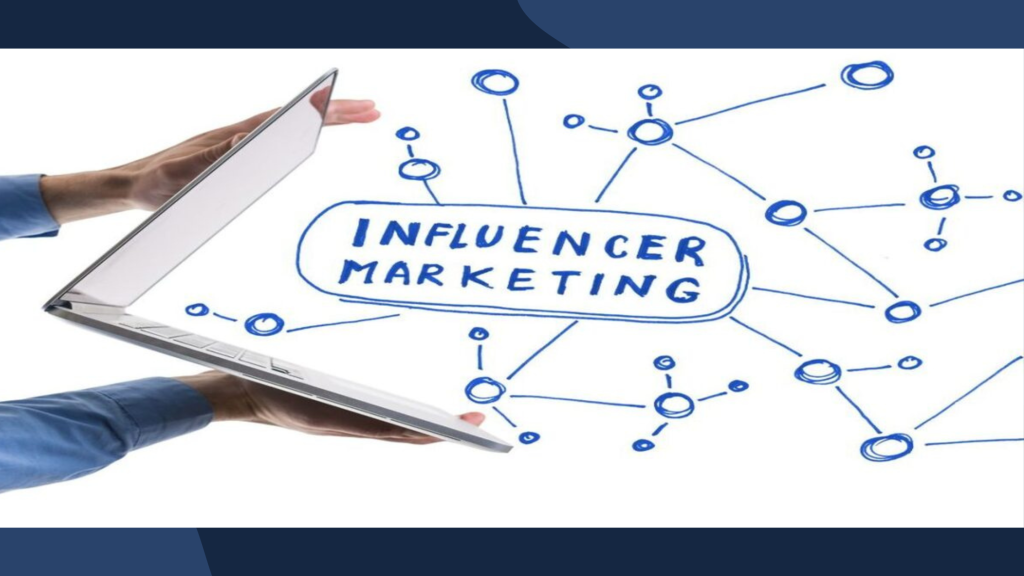
It is crucial to identify the right influencers for your brand. This means researching influencers with an audience that aligns with your target demographic. It is also essential to consider the influencer’s engagement rate, as this will help you determine how effective they will be in promoting your brand. Once you have identified the right influencers, creating a strategy for working with them is crucial. This should include a clear goal for the campaign and a timeline for when the influencer should post content. Providing the influencer with detailed instructions on promoting your brand is also essential.
It is also essential to measure the success of the campaign. Tracking the sales or leads generated from the campaign is also crucial. This will help you determine whether the campaign was successful and if it should be repeated in the future.
4. Content Marketing
Content marketing is great for B2C brands to reach and build relationships with their target audiences. Content marketing involves creating and sharing blog posts, videos, podcasts, and social media posts to engage customers and promote a brand’s products or services. Content marketing can be used to educate customers, build trust, and create a positive brand image. Content marketing can be used to reach a wide range of customers. By creating content relevant to their target audience, B2C brands can reach potential customers without exposure to their products or services. Content marketing can also build relationships with existing customers by providing valuable information and engaging them in conversations.
5. Automation In B2C Marketing
Automation in B2C marketing has become increasingly popular in recent years as businesses strive to maximize efficiency and reduce costs. Automation can benefit B2C marketers, including improved customer segmentation, increased personalization, and enhanced customer engagement. One of the primary benefits of Automation in B2C marketing is improved customer segmentation. Automation allows marketers to quickly and accurately segment customers based on their preferences, behaviors, and other criteria. This will enable marketers to target their campaigns more effectively, ensuring the right message is delivered to the right customer at the right time.
Automation also allows for increased personalization. Automated systems can track customer data and use it to create personalized messages and offers. This can help increase customer engagement and loyalty, as customers feel their needs are being met. Lastly, Automation can help to enhance customer engagement. Automated systems can send out timely messages and offers and track customer interactions. This allows marketers to better understand customer behavior and preferences and tailor their campaigns accordingly.
6. Email Marketing
Email marketing is an effective way to reach a B2C audience. It is a cost-effective way to get many potential customers and can be used to build relationships with existing customers. To maximize the effectiveness of email marketing, there are several vital steps to follow.
Create a list of contacts. This list should include current customers, potential customers, and other contacts who may be interested in your products or services. Make sure to include accurate contact information for each person on the list.
Email campaign. This should include a compelling subject line, a clear message, and a call to action. Make sure to include a link to your website or landing page.
Use segmentation to target specific audiences. Segmentation allows you to send emails to specific groups of people based on their interests, demographics, or other criteria. This will help ensure that your emails are relevant to the recipients and increase the chances of them taking action.
Use analytics to track the performance of your email campaigns. This will help you understand which emails are performing well and which needs to be improved.
Use A/B testing to optimize your emails. A/B testing allows you to test different versions of an email to see which one performs better. This will help you refine your emails and ensure they are as effective as possible. Following these procedures, you can use email marketing to reach your B2C audience and increase your sales.
7. Mobile Marketing

Mobile marketing offers several advantages over traditional marketing methods, including increased reach, improved engagement, and better targeting. Mobile marketing provides a greater distance than conventional marketing methods. With more than half the world’s population owning smartphones, mobile marketing can reach a much larger audience than traditional methods. This increased reach can help B2C brands to get new customers and expand their customer base.
Mobile marketing offers improved engagement. Mobile devices are always with users, meaning B2C brands can reach their target audiences anytime. This allows for more frequent and timely customer communication, which can help build relationships and loyalty. Mobile marketing offers better targeting. Mobile devices can collect a wealth of data about users, which can be used to target specific audiences with tailored messages. This allows B2C brands to target their messages to the right people, increasing the effectiveness of their campaigns.
8. Video Marketing
Video marketing is also effective for reaching B2C audiences. It can be used to create engaging content that resonates with customers and drives conversions. Here are some tips for using video marketing to get your B2C audience:
Identify Your Target Audience
Before creating any video content, it is vital to identify your target audience. This will help you create content that resonates with them and drives conversions.
Entertaining Content
Once you have identified your target audience, create entertaining, engaging, and relevant content. This could include tutorials, product demonstrations, customer testimonials, or other types of videos.
Optimize For Search Engines
Optimize your videos for search engines by including relevant keywords in the title, description, and tags. This will help your videos appear in search engine results and increase visibility.
Promote Your Videos
Promote your videos on social media, email, and other channels to reach a wider audience. You can also use paid advertising to get more people.
Track Performance
It is also essential to track the performance of your videos to see which ones are performing well and which ones need improvement. This will help refine your video marketing strategy and create more compelling content.
9. Retargeting For B2C Brands
Retargeting is a form of online advertising that uses cookies to track a user’s online activity and display targeted ads based on their browsing history. This type of marketing can be highly effective for B2C brands, as it allows them to reach out to customers who have already expressed an interest in their products or services. One of the main benefits of retargeting for B2C brands is that it allows them to reach out to customers. By targeting ads to customers who have already visited their website or interacted with their brand in some way, B2C brands can ensure that their ads are reaching the right people. This can help increase their campaigns’ effectiveness, as customers who have already expressed an interest in their products or services are more likely to be receptive to their ads.
Retargeting also allows B2C brands to tailor their ads to the individual customer. By tracking a user’s online activity, B2C brands can create ads tailored to the individual’s interests and needs. This can help increase their campaigns’ effectiveness, as customers are more likely to respond to relevant ads.
10. Data-Driven Insights
Data-driven insights are essential for improving B2C marketing strategies. By leveraging data, marketers can better understand their target audience, optimize their campaigns, and measure the success of their efforts.
Identify Your Target Audience: Valuable data can help marketers identify their target audience and understand their needs and preferences. Marketers can use data to segment their audience into different groups and target them with tailored messages.
Optimize Your Campaigns: The results of the campaigns can be used to optimize your campaigns by testing different messages, images, and offers. Marketers can use data to determine which messages are most effective and which offers are most appealing to their target audience.
Measure Your Results: Data can be used to measure the results of campaigns. Marketers can track click-through rates, conversion rates, and customer lifetime value metrics to determine the most successful campaigns.
Personalize Your Messages: The insights from the data can be used to personalize messages and offers to individual customers. Marketers can use data to create personalized emails, ads, and offers tailored to each customer’s needs and preferences.
By leveraging data-driven insights, marketers can better understand their target audience, optimize their campaigns, and measure the success of their efforts. By using these insights, marketers can create more effective B2C marketing strategies to help them reach their desired goals.


