



With its grandeur and commanding presence, Billboard advertising has been a staple of the advertising industry for decades. These towering structures, strategically placed along busy highways, city streets, and iconic landmarks, are visual reminders of brands, products, and messages. Billboard advertising is an outdoor advertising medium that uses large-scale printed or digital displays to reach a broad audience and create lasting impressions.
Types Of Billboard Advertising

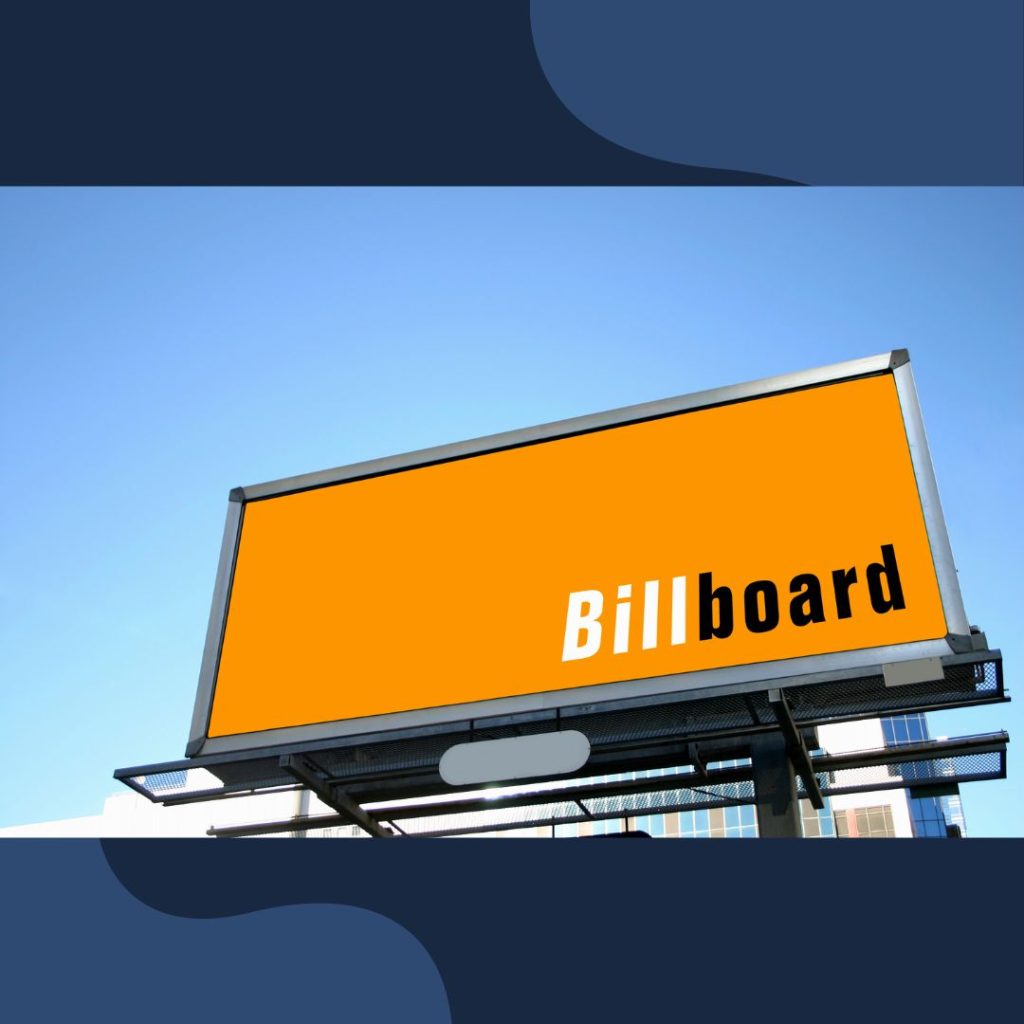
Billboard advertising comes in various forms, each tailored to specific marketing objectives and target audiences. Advertisers have many options, from traditional static billboards to dynamic digital displays. Let’s explore some of the most common types of billboard advertising:
Static Billboards
Static billboards are traditional advertising featuring printed images and text on a fixed display. They are typically made of vinyl or paper and can be seen along highways, roadsides, and high-traffic urban areas. Static billboards offer a cost-effective way to deliver a consistent message to a broad audience.
Digital Billboards
Digital billboards have revolutionized the advertising industry with their dynamic and eye-catching displays. LED technology allows these billboards to showcase multiple advertisements in a rotating sequence, allowing advertisers to deliver multiple messages in one location. Digital billboards offer flexibility in changing content, making them perfect for time-sensitive promotions and campaigns.
Mobile Billboards
Mobile billboards, also known as billboard trucks or digital trucks, are vehicles equipped with LED screens or static billboards. They drive through targeted areas, ensuring maximum exposure to potential customers. Mobile billboards are especially effective for events, product launches, and targeted advertising in specific neighborhoods or city centers.
Three-Dimensional Billboards
Three-dimensional billboards add depth and creativity to traditional static displays. These billboards use sculptural elements, props, or physical extensions to create an eye-catching and memorable advertisement. Three-dimensional billboards are particularly effective in attracting attention and engaging passersby.
Transit Billboards
Transit billboards are placed on buses, trains, or other public vehicles. These moving advertisements allow brands to reach a broad audience while the vehicles travel throughout the city. Transit billboards are ideal for getting commuters and capturing their attention during their daily travels.
Digital Street Furniture
Digital street furniture includes interactive kiosks, digital bus shelters, and intelligent city displays. These digital displays offer a combination of advertising and utility, providing valuable information to pedestrians while delivering targeted advertisements.
Wall Murals And Spectaculars
Murals are large-scale paintings or digital prints on the sides of buildings. Spectaculars are oversized, attention-grabbing displays, often featuring moving elements or lighting effects. Murals and spectacles provide unique and visually stunning ways to promote brands and products in high-traffic areas.
Each type of billboard advertising offers advantages and can be used strategically to enhance brand visibility, capture consumer attention, and achieve specific marketing goals. Advertisers can choose the type that best aligns with their objectives and target audience to create impactful and memorable campaigns.
Benefits Of Billboard Advertising
Billboard advertising remains a robust and influential marketing method, offering numerous advantages for businesses and brands looking to reach a broad audience. Here are some of the critical benefits of billboard advertising:
High Visibility: Billboards are strategically placed in high-traffic areas, ensuring maximum exposure to many people. Whether positioned along busy highways, urban centers, or popular tourist spots, billboards attract the attention of drivers, pedestrians, and commuters, creating valuable brand visibility.
Targeted Reach: Billboards can be strategically placed in specific locations to target a particular demographic or geographic area. Advertisers can choose billboard locations based on their target audience’s demographics, interests, and behaviors, ensuring their message reaches the right people in the right place.
Round-The-Clock Exposure: Billboards provide continuous exposure, unlike other advertising forms with limited time slots. They are visible 24/7, making them an effective medium to reinforce brand messages and increase brand recall among the audience.
Cost-Effective: Billboard advertising offers a cost-effective way to reach a broad audience compared to other forms of media, such as television or radio advertising. Once installed, billboards deliver brand messages without incurring additional costs, making them a long-term investment.
Creativity And Impact: Due to technology, billboards now offer a range of creative options, including digital displays, three-dimensional elements, and interactive features. Advertisers can use innovative designs and captivating visuals to create a lasting impact on viewers, increasing the chances of brand recall.
Brand Awareness And Reinforcement: Repeated billboard exposure helps reinforce brand awareness among consumers. Seeing a brand message regularly can create a sense of familiarity and trust, making potential customers more likely to consider the brand when making purchasing decisions.
Supports Other Marketing Efforts: Billboard advertising complements other marketing channels, such as digital and social media campaigns. By combining billboards with online advertising, businesses can reinforce their message across different platforms and create a more comprehensive marketing strategy.
Local And National Reach: Billboards can target local communities and a broader national audience. Local businesses can benefit from placing billboards in their immediate vicinity to attract nearby customers, while national brands can utilize billboards to maintain a consistent presence across different regions.
Engages Mobile Consumers: As people spend more time outside their homes and on the move, billboard advertising effectively engages consumers during their daily commutes or leisure activities. This mobile audience is more likely to notice and respond to billboards.
Billboard advertising offers a range of benefits that make it a valuable component of any comprehensive marketing strategy. Its high visibility, targeted reach, creative possibilities, and cost-effectiveness make it attractive for businesses looking to increase brand exposure and drive customer engagement.
Designing Effective Billboard Campaigns
Creating a successful billboard campaign requires careful planning and strategic execution. Here are some essential steps to design an effective billboard campaign:
Clear And Concise Message: A billboard’s limited space demands a clear and concise message. Keep the text brief and easy to read at a glance. Use bold fonts and high-contrast colors to make the message stand out.
Compelling Visuals: Incorporate eye-catching visuals relevant to the brand and message. High-quality images or graphics can quickly grab attention and leave a lasting impression on viewers.
Know Your Audience: Understand the demographics and behaviors of the target audience. Tailor the message and visuals to resonate with the specific group you want to reach.
Location, Location, Location: Choose billboard locations strategically. Consider traffic flow, visibility, and the demographic of passersby. The right place can significantly impact the campaign’s success.
Call To Action: Encourage viewers to take action with a clear and compelling call to action. Whether visiting a website, calling a number, or visiting a store, a well-placed call-to-action can drive engagement.
Keep It Simple: Avoid cluttering the billboard with too much information. Stick to the most critical message and visuals to ensure the billboard is easy to read and understand.
Utilize Humor And Creativity: Humor and creativity can leave a lasting impact on viewers. However, ensure the humor is appropriate and aligns with the brand’s image.
Consider Seasonal Campaigns: Tailor billboards to fit specific seasons or events. Seasonal campaigns can add relevance and create a sense of urgency for the audience.
Test And Measure: Before launching a full-scale campaign, test the design and message on a smaller scale. Use feedback and data to refine, which can lead to optimal results.
Brand Consistency: Ensure the billboard design aligns with the brand identity and marketing strategy. Consistency helps reinforce brand recognition and trust.
Monitor And Adjust: Regularly monitor the performance of the billboard campaign and be prepared to make adjustments if necessary. Analyze the impact on brand awareness and customer engagement.
Digital Integration: Consider incorporating digital elements into the billboard, such as QR codes or NFC technology. This integration can bridge the gap between offline and online marketing efforts.
Timing And Frequency: Plan the duration and frequency of the billboard display carefully. Depending on the campaign’s objectives, consider running the billboard for a specific period or continuously for ongoing brand exposure.
By following these steps and employing creativity and data-driven insights, businesses can create effective billboard campaigns that capture attention, engage the audience, and drive desired outcomes.
Case Studies
Below are two case studies of Billboard Advertising:
Case Study 1: Nike’s “Breaking2” Billboard Campaign

Video By Canadian Running Magazine From YouTube
When Nike launched the “Breaking2” campaign to promote its new Zoom Vaporfly Elite running shoes, its goal was to break the two-hour marathon barrier, a feat never achieved. As part of its marketing strategy, Nike used billboards to create buzz and excitement around the movement.
Nike strategically placed billboards in key cities worldwide, including New York, London, Tokyo, and more. The billboards featured messages such as “It’s Only Crazy Until You Do It” and “There Is No Finish Line.” These messages promoted the Zoom Vaporfly Elite shoes and inspired runners and sports enthusiasts.
The “Breaking2” campaign generated immense interest and anticipation, leading to the historic marathon attempt. Although the two-hour barrier was not broken in the first attempt, the campaign was widely regarded as a huge success. The billboards are vital in building excitement and showcasing Nike’s commitment to pushing the boundaries of sports performance.
Case Study 2: Heineken’s “Cities of the World” Campaign

Video By Nataliia Dotsenko From YouTube
Heineken’s “Cities of the World” billboard campaign was a remarkable and visually captivating advertising initiative that showcased the brand’s global presence and appeal. The campaign aimed to connect with consumers on an emotional level by celebrating the uniqueness and diversity of different cities around the world.
The campaign’s centerpiece was a series of billboards strategically placed in prominent locations across major cities. Each billboard featured a stylized illustration of the city’s iconic landmarks, seamlessly integrated with the Heineken logo. The artwork was meticulously crafted to capture the essence of each location, evoking a sense of wanderlust and adventure.
One of the key strengths of the “Cities of the World” campaign was its ability to resonate with residents and travelers. For residents, the billboards instilled a sense of pride and ownership in their cities, while for travelers, they sparked curiosity and a desire to explore new destinations. The campaign celebrated the spirit of cosmopolitanism and cultural exchange, aligning perfectly with Heineken’s international brand identity.
Heineken encouraged social media participation by using unique hashtags associated with each city to engage the audience further. This encouraged consumers to share their experiences and memories with the brand, generating user-generated content that amplified the campaign’s reach.
Beyond the traditional billboards, Heineken extended the campaign to digital platforms and social media, creating an immersive and interactive user experience. This multi-channel approach allowed the brand to connect with a broader audience and foster more profound consumer engagement.
Heineken’s “Cities of the World” billboard campaign combined the art of storytelling, cultural appreciation, and brand promotion. The campaign resonated with consumers personally by celebrating the cities that inspire the world, creating a lasting impression, and reinforcing Heineken’s position as a global beer brand.
The campaign demonstrated how a well-executed billboard advertising initiative can transcend geographical boundaries, inspire wanderlust, and create a sense of unity among diverse communities.
Placing Billboards For Optimal Reach
Placing billboards for optimal reach is crucial to a successful advertising campaign. Here are some key considerations to ensure maximum visibility and impact:
Strategic Locations: Identify high-traffic areas where your target audience will likely pass by. This could include busy intersections, highways, major roads, and famous landmarks or attractions nearby. Strategic placement ensures that your message reaches a large number of people daily.
Audience Demographics: Understand your target audience’s demographics, interests, and behaviors to choose locations that align with their preferences. For example, consider placing billboards near college campuses or entertainment districts if your product or service targets young adults.
Geographic Targeting: If your business operates in specific regions, use geotargeting to focus on areas with the highest potential for customer conversion. Placing billboards near your physical store locations can drive foot traffic and boost sales.
Complementing Digital Strategies: Integrate your billboard placement with digital marketing efforts. Consider placing billboards in areas where you’re running digital ads to reinforce your message and create a multi-channel marketing approach.
Eye-Level Visibility: Ensure your billboards are placed at eye level, making them easily visible to passing drivers and pedestrians. This increases the chances of your message being noticed and remembered.
Avoid Clutter: Avoid placing billboards near areas with excessive visual clutter or competition from other advertisements. Stand-alone billboards or those with minimal distractions are more likely to capture attention.
Consider Illumination: If your target audience frequently passes by the billboard at night or in low-light conditions, consider illuminated billboards for maximum visibility and impact.
Measure And Monitor: Continuously monitor the performance of your billboard placements. Track foot traffic, website visits, or sales in response to the campaign.
Seasonal Considerations: Tailor your billboard placements to seasonal trends or events. For instance, advertise summer products near beaches during the vacation season or promote holiday deals during festive periods.
Local Partnerships: Collaborate with local businesses or organizations to leverage their spaces for billboard placement. This can enhance community engagement and support.
By carefully considering these factors, businesses can effectively place billboards for optimal reach and engagement, maximizing the impact of their advertising efforts and achieving their marketing objectives.
Measuring The Success


Measuring the success of billboard advertising is essential to determine the effectiveness of your campaign and make informed decisions for future strategies. While billboards offer unique challenges in terms of tracking direct interactions, there are several ways to gauge their impact:
Increased Website Traffic: Monitor website traffic during and after the billboard campaign. A spike in visits, especially if a specific landing page or unique URL is mentioned on the billboard, can indicate successful engagement.
Call Tracking: Use unique phone numbers on billboards to track incoming calls. Call tracking allows you to attribute phone inquiries directly to the billboard campaign.
QR Codes And Short URLs: Incorporate QR codes or shortened URLs on the billboard. By analyzing the scans, visits, and clicks, you can gauge the level of interest generated by the ad.
Social Media Engagement: Monitor social media platforms for mentions, shares, and discussion of the billboard campaign. Increased engagement and brand mentions may indicate the billboard’s impact on brand awareness.
Surveys And Feedback: Conduct surveys or seek customer feedback to determine if the billboard influenced them. Questions like, “Did you learn about us from the billboard?” can provide valuable insights.
Foot Traffic Analysis: If the billboard is near your physical store or event, analyze foot traffic during the campaign period. An increase in visitors may be linked to billboard exposure.
Sales And Conversions: Track sales and conversions during the billboard campaign. If there’s a noticeable uptick in revenue during the advertising period, it could be attributed to the billboard’s influence.
Geolocation Data: Use geolocation data to measure the number of people passing by the billboard location. Analyzing traffic patterns can help estimate the potential audience reach.
Brand Recognition Surveys: Conduct brand recognition surveys to gauge if the billboard increased awareness and recognition of your brand among the target audience.
Long-Term Impact: Consider the long-term effects of the billboard. A well-designed and strategically placed billboard can have lasting brand recall even after the campaign ends.
Remember that billboard advertising is often part of a broader marketing strategy. Analyzing how billboards contribute to the overall marketing mix and complement other channels is essential. By combining multiple measurement methods, businesses can gain a comprehensive understanding of the impact of billboard advertising on their overall marketing efforts.
What Is The Future of Billboard Advertising?
The future of billboard advertising is poised for significant advancements as technology continues to evolve and consumer behaviors shift.
Future Landscape Of Billboard Advertising
Digital And Interactive Billboards: Traditional static billboards gradually give way to dynamic digital displays. Digital billboards offer greater flexibility, allowing advertisers to change the content in real-time and display multiple ads on rotation. Interactive billboards with touchscreens and sensors can engage passersby, offering a more personalized and immersive experience.
Programmatic Advertising: Programmatic buying, which uses automated systems to purchase and display ads, is gaining momentum in the billboard industry. It allows advertisers to target specific demographics and adjust their campaigns based on real-time data and insights.
Data-Driven Insights: With the advent of data analytics and audience measurement technologies, billboard advertisers can gather valuable insights into consumer behavior. Data-driven decision-making will enable advertisers to optimize their campaigns for better reach and relevance.
Augmented Reality (AR) Integration: AR technology will enable billboards to overlay digital content onto the physical world, creating interactive and engaging viewer experiences. Users may scan billboards with smartphones to unlock additional content, promotions, or games.
Location-Based Targeting: Geofencing and GPS technologies will enable advertisers to target specific audiences based on location. Billboards can deliver more relevant messages to consumers based on their proximity to the ad, increasing the chances of capturing their attention.
Integration With Mobile Devices: The seamless integration of billboards with mobile devices will become more prevalent. QR codes, NFC tags, and Bluetooth can facilitate direct interactions with billboards, allowing users to access content or offers on their smartphones.
Sustainability And Eco-Friendly Practices: As environmental concerns continue to grow, there will be a greater focus on sustainable billboard materials and energy-efficient lighting solutions. Eco-friendly billboards will appeal to environmentally conscious consumers and align with corporate social responsibility initiatives.
AI-Powered Billboards: Artificial intelligence will be vital in optimizing billboard advertising. AI algorithms can analyze data, predict audience behavior, and suggest the most effective ad placements and content.
Integration With Social Media: Billboards may become more intertwined with social media platforms, encouraging viewers to share billboard content on their social networks. User-generated billboard content can generate buzz and further extend the campaign’s reach.
Integration With E-commerce: Advancements in technology will enable billboards to become more transactional, allowing viewers to purchase directly from the billboard using their smartphones or other connected devices.
The future of billboard advertising is undoubtedly exciting, with a strong focus on interactivity, personalization, and data-driven strategies. As the advertising landscape evolves, businesses and advertisers who embrace these trends will gain a competitive edge and better connect with their target audience.


