




Standing out and building a solid brand identity is essential for success. A brand manifesto is the cornerstone of any brand strategy, conveying the brand’s core values, purpose, and beliefs powerfully and authentically. It goes beyond a mere marketing message or slogan; it represents the soul of the brand, inspiring both internal stakeholders and the target audience alike.
Understanding Your Brand’s Purpose And Values
Before creating a brand manifesto, understanding your brand’s purpose and values is crucial. Your brand’s purpose represents the reason your business exists beyond making profits. It is the driving force behind your brand, the “why” that motivates your team and resonates with your customers. To uncover your brand’s purpose, ask yourself: What problem does my brand aim to solve? How does it add value to people’s lives? What positive impact do I want to make in the world?
Next, delve into your brand’s values and the guiding principles that shape your brand’s behaviour, decision-making, and relationships. Consider the beliefs and ethics your brand upholds and the qualities you want your team and customers to associate with your brand. By defining your brand’s purpose and values, you set the foundation for a genuine and authentic brand manifesto that reflects your brand’s identity and aspirations.
Conducting internal workshops, surveys, and interviews with key stakeholders can help uncover insights about your brand’s essence. Involve your team to ensure a holistic understanding of your brand’s purpose and values. Collecting customer feedback can also provide valuable perspectives on how they perceive your brand and what it means to them.
Through this introspective journey, you will gain clarity on your brand’s essence, enabling you to create a brand manifesto that resonates with authenticity and passion. Remember, the stronger the foundation, the more impactful and compelling your brand manifesto will convey your brand’s story to the world.
Crafting Your Brand Story
Once you clearly understand your brand’s purpose and values, it’s time to weave them into a compelling brand story. Your brand story is the narrative that brings your brand to life, capturing its essence, history, and vision. It humanizes your brand, making it relatable and memorable to your audience.
To craft an impactful brand story, start by outlining the key elements that define your brand’s journey. Begin with your brand’s origin—how it came into existence, the challenges it overcame, and the passion that drives it forward. Share the milestones and defining moments that shaped your brand’s identity and growth. Your brand story should evoke emotions, connecting your audience to your journey.
Emphasize the values that drive your brand and the positive impact it aspires to make. Illustrate how your brand aligns with the needs and aspirations of your target audience. Use authentic language and avoid jargon to ensure your brand story resonates with clarity and sincerity.
Consider incorporating real-life anecdotes or testimonials from your customers to add credibility to your brand story. Stories of how your brand has positively impacted people’s lives can create an emotional bond with your audience.
Remember that a well-crafted brand story goes beyond words. Consider using visuals, such as images and videos, to enhance the storytelling experience. Visual storytelling can evoke emotions and leave a lasting impression on your audience.
Ensure your brand story is consistent across all touchpoints, from your website and social media to marketing materials and customer interactions. Consistency reinforces your brand’s identity and makes it easier for your audience to remember and recognize your brand.
Crafting a compelling brand story requires creativity, empathy, and an authentic representation of your brand’s values and purpose. By investing time and effort into creating a captivating narrative, you can create a brand manifesto that captures the hearts and minds of your audience, building a loyal and engaged customer base.
Developing Your Brand Promise
The brand promise is a concise statement that communicates the unique value proposition of your brand to your target audience. It is a clear and compelling commitment that sets your brand apart from competitors and establishes expectations for your customers. Developing a solid brand promise is essential for building trust and loyalty among your audience.
To begin crafting your brand promise, identify your brand’s key strengths, differentiators, and the specific value you offer customers. Understand what makes your brand stand out and how it addresses the needs and desires of your target market. This reflective process will help you articulate your brand’s core promise.
Focus on simplicity and clarity. Your brand promise should be concise and easily understood. Avoid using industry jargon or complex language that might confuse your audience. Aim to capture your brand’s essence in a few words or a short sentence.
Make sure your brand promise is authentic and achievable. It should reflect what your brand can consistently deliver to customers. Avoid making exaggerated claims or promises you cannot fulfil, as this can damage your brand’s credibility.
Your brand promise should align with your brand’s purpose and values, emotionally resonating with your target audience. Consider how your brand promise improves customers’ lives or addresses their pain points. Use language that evokes positive emotions and connects with the aspirations of your audience.
Once you have drafted your brand promise, test it with internal stakeholders and some of your loyal customers. Gather feedback to ensure it accurately reflects your brand’s identity and resonates with your audience. Iterative feedback can help refine and strengthen your brand promise.
Once you have finalized your brand promise, incorporate it into all aspects of your brand communication. Use it in your marketing materials, website, social media, and customer interactions. Consistency in delivering your brand promise will reinforce trust and confidence in your brand among your customers.
Developing a compelling brand promise takes thoughtful consideration and understanding your brand’s unique value. It should guide your brand’s actions and decisions, driving customer loyalty and advocacy. A well-crafted brand promise can set the stage for a successful and enduring brand identity.
Examples Of Brand Manifesto
1. Levi’s


Levi’s brand manifesto resonates with purpose, urging us to break free from life’s drift and embrace a path of intentionality. It empowers people to make a lasting impact on the world, armed with nothing but our intuition and the clothes on our backs. Levi’s call to action is simple yet profound: to improve the world. It invites us to reject settling for mediocrity and ignite the fire within us to create positive change.
What We Like: Levi’s commitment to purpose inspires many to live passionately and never settle.
2. Apple

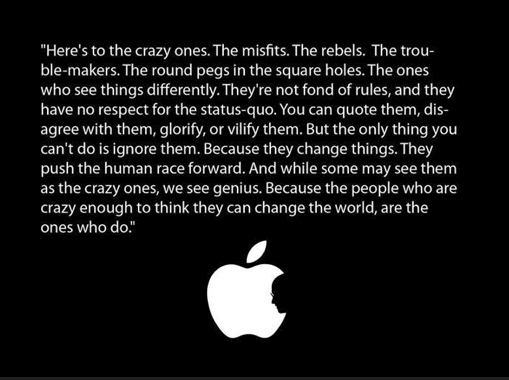
Steve Jobs defied conventional norms and shattered established wisdom, even if it caused rifts within his company, ultimately leading to his departure. Despite controversy, Jobs’s disruptive thinking fueled Apple’s innovation, propelling it to become one of the world’s most famous brands by inspiring people to think differently and challenge the status quo.
What We Like: Apple’s manifesto weaves a tale of misfits conquering challenges, using storytelling to evoke emotions and dare to challenge the norms.
3. KIA

KIA’s manifesto may not be adorned with vivid imagery, but succinctly states its purpose. Their goal is to deliver innovative products that prioritize convenience and respect their customers’ most valuable resource: time.
What We Like: Embracing simplicity, KIA’s manifesto provides clarity and straightforward language to convey values and purpose effectively.
4. Nespresso

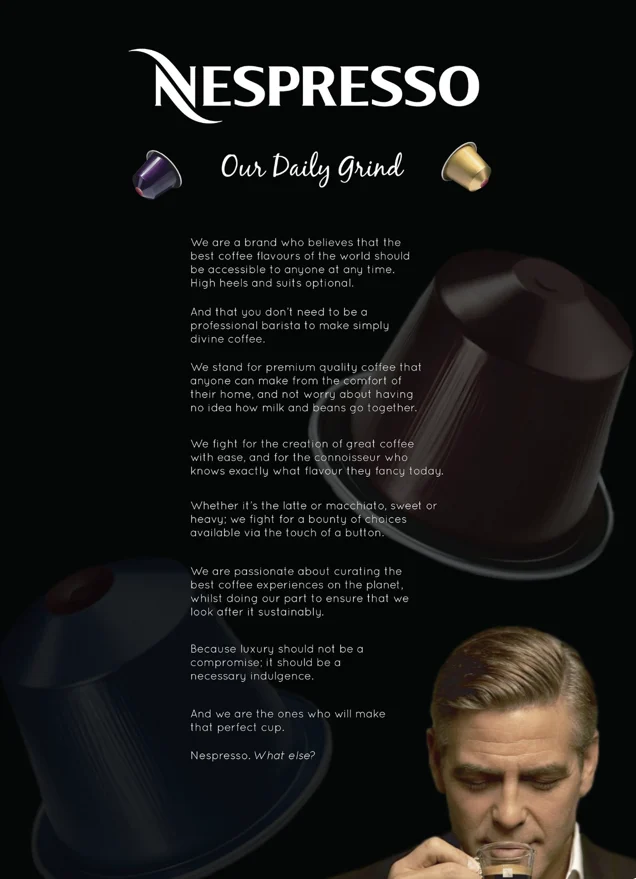
Nespresso’s manifesto boldly declares that the brand believes everyone, regardless of status, should have the opportunity to enjoy premium coffee. It uses powerful words like luxurious, premium and fancy to set the tone. However, Nespresso quickly states that you don’t need to dress up or be a coffee connoisseur to savour their product.
What We Like: The manifesto showcases Nespresso’s commitment to inclusivity and quality. It portrays the brand as luxurious yet approachable, welcoming coffee enthusiasts of all backgrounds.
5. Under Armour


Under Armour’s manifesto addresses the competitive nature of athletes and fitness enthusiasts. However, instead of promoting competition, it emphasizes the brand’s purpose to help customers compete against their limits and become the best version of themselves.
What We Like: The manifesto provides depth to Under Armour’s motto, “Overachieve”, revealing its commitment to personal growth and self-improvement.
Communicating Your Brand Personality
Communicating your brand personality is crucial to establishing a solid and authentic brand identity. Your brand personality is the unique traits and characteristics that define your brand’s identity and shape how it interacts with customers and the market. It is the essence of what your brand represents and how it wants to be perceived by the world.
To effectively communicate your brand personality, start by defining the essential traits and values that embody your brand. Consider what emotions and feelings you want your brand to evoke in your target audience. Are you seeking a playful, adventurous, sophisticated, or trustworthy personality? Understanding these core elements will help guide your communication efforts.
Consistency is key when communicating your brand personality. Ensure that your brand personality is reflected consistently across all touchpoints, from your website and social media channels to your marketing materials and customer interactions. Consistent messaging helps build brand recognition and reinforces the desired perception in the minds of your audience.
Visual elements such as logos, colour schemes, and imagery convey your brand personality. Choose visuals that align with your brand’s traits and resonate with your target audience. For example, a youthful and energetic brand might use vibrant colours and dynamic graphics, while a luxury brand may opt for a more refined and elegant visual approach.
Your brand’s tone of voice is another critical element in conveying personality. Whether playful, formal, humorous, or authoritative, the tone you use in your communications should align with your brand’s traits and resonate with your target audience. Consistency in tone across different platforms helps establish a recognizable brand voice.
Storytelling is crucial for communicating your brand personality. Share stories that showcase your brand’s values, beliefs, and the impact it has on customers’ lives. Authentic and compelling stories create emotional connections and reinforce your brand’s personality in a relatable way.
Engaging with your audience is essential in reinforcing your brand personality. Respond consistently to comments, messages, and feedback with your brand’s tone and values. Engaging in conversations and being responsive builds trust and fosters a positive brand image.
Don’t be afraid to inject personality into your marketing campaigns and content. Creativity and humour can effectively capture your audience’s attention and leave a lasting impression. Strive to create memorable experiences that reflect your brand’s unique personality.
Communicating your brand personality is about crafting a cohesive, authentic identity that resonates with your target audience. Through consistent messaging, visuals, tone of voice, storytelling, and engaging interactions, you can successfully convey your brand’s personality and create a lasting impression in the minds of your customers.
Visualizing Your Brand Identity
Visualizing your brand identity is crucial in creating a solid and memorable brand. It involves translating the essence of your brand personality and values into visual elements that resonate with your target audience. These visuals will serve as the face of your brand and will be significant in how customers perceive and connect with your business.
One of the key visual elements of your brand identity is your logo. Your logo is the primary visual representation of your brand and will appear on all your marketing materials, products, and online platforms. It should reflect the essence of your brand and be designed in a unique, simple, and easily recognizable way. Consider using colours, fonts, and symbols that align with your brand personality and resonate with your target audience.
Colour is vital in visualizing your brand identity. Different colours evoke different emotions and can convey specific messages about your brand. Choose a colour palette that complements your brand’s personality and resonates with the feelings you want to evoke in your audience. For example, vibrant and energetic colours might suit a youthful and adventurous brand, while soft and muted tones may align with a sophisticated and elegant brand.
Typography is another essential visual element that contributes to your brand identity. Select fonts that reflect your brand’s tone and personality. Whether modern and sleek, classic and elegant, or playful and fun, the right typography will reinforce your brand’s message and create a cohesive visual experience for your audience.
In addition to the logo, colours, and typography, consider other visual elements such as patterns, icons, and imagery that complement your brand identity. These elements should be used consistently across all your branding materials to create a unified and memorable brand experience.
Packaging design is critical to visualizing your brand identity, especially for products. Your packaging should reflect your brand personality and stand out on shelves, attracting the attention of potential customers. It should also convey important information about your brand and product, such as its values, benefits, and features.
Visuals extend beyond your physical presence to your online platforms, including your website and social media channels. Ensure that your online visuals are consistent with your overall brand identity and are optimized for the digital environment. High-quality images, videos, and graphics that reflect your brand’s personality will enhance your online presence and engage your audience effectively.
Visualizing your brand identity is an ongoing process. As your brand evolves and grows, you may need to update or refine your visual elements to stay relevant and aligned with your target audience’s preferences. Regularly evaluate how your visuals perform and make adjustments to ensure they effectively convey your brand’s personality and values.
Visualizing your brand identity is about creating a cohesive and impactful visual representation of your brand personality and values. From your logo and colour palette to typography, packaging, and online visuals, each element should create a solid and memorable brand experience for your audience. By carefully curating your visual elements, you can effectively communicate your brand’s essence and leave a lasting impression in the minds of your customers.
Unveiling Your Brand Manifesto
Unveiling your brand manifesto is a meaningful step in establishing a clear and compelling identity for your business. A brand manifesto articulates your brand’s purpose, values, and mission. It serves as a guiding force that shapes your business’s decisions, actions, and communication internally and externally.
To unveil your brand manifesto effectively, define your brand’s purpose and values. What is the driving force behind your business? What do you stand for, and what do you aim to achieve? Reflect on your brand’s unique story and the impact you wish to make on the world.
Crafting a well-defined brand story is crucial in this process. Your story should resonate with your target audience, evoke emotions, and leave a lasting impression. It should communicate your brand’s journey, the challenges you’ve overcome, and your aspirations.
Next, ensure that your brand manifesto is authentic and genuine. It should reflect the true essence of your brand and be aligned with your actions and behaviour as a business. Inauthentic brand manifestos can quickly be perceived as disingenuous, leading to a loss of trust and credibility with your audience.
Consider involving your team in the process of creating the brand manifesto. Your employees are integral to your brand; their input can provide valuable insights and perspectives. When everyone within your organization embraces the manifesto, it creates a unified and consistent brand message.
The language and tone of your brand manifesto are crucial in capturing your audience’s attention and conveying your brand’s personality. Use robust, evocative language that speaks directly to your audience’s emotions and aspirations. Keep it concise and impactful, ensuring every word carries weight and meaning.
Unveiling your brand manifesto can be done through various channels and platforms. Consider creating a dedicated webpage on your website where your manifesto is prominently displayed. You can also use social media, videos, and blog posts to share your brand story and manifesto with your audience.
Be prepared to engage with your audience after unveiling your brand manifesto. Encourage feedback, comments, and conversations surrounding your brand values and mission. This engagement will strengthen your brand’s connection with your audience and foster brand loyalty.
Remember to periodically review and refine your brand manifesto as your brand evolves and grows. As your business experiences change and new opportunities arise, your manifesto should adapt to reflect your brand’s evolving identity and purpose.
The moment you unveil your brand manifesto is essential in defining and communicating your brand’s purpose, values, and mission. Craft an authentic and compelling story that resonates with your audience and aligns with your brand’s actions. Engage with your audience, involve your team, and use various platforms to share your brand manifesto and build a solid and meaningful connection with your audience.
Wrapping Up
Crafting a brand manifesto helps build a unique and authentic brand identity. By defining your brand’s purpose, values, and personality, you can create a compelling narrative that resonates with your audience and strengthens brand loyalty. Remember, a successful brand manifesto should inspire and connect emotionally with your customers, fostering a long-lasting relationship beyond products and services.


