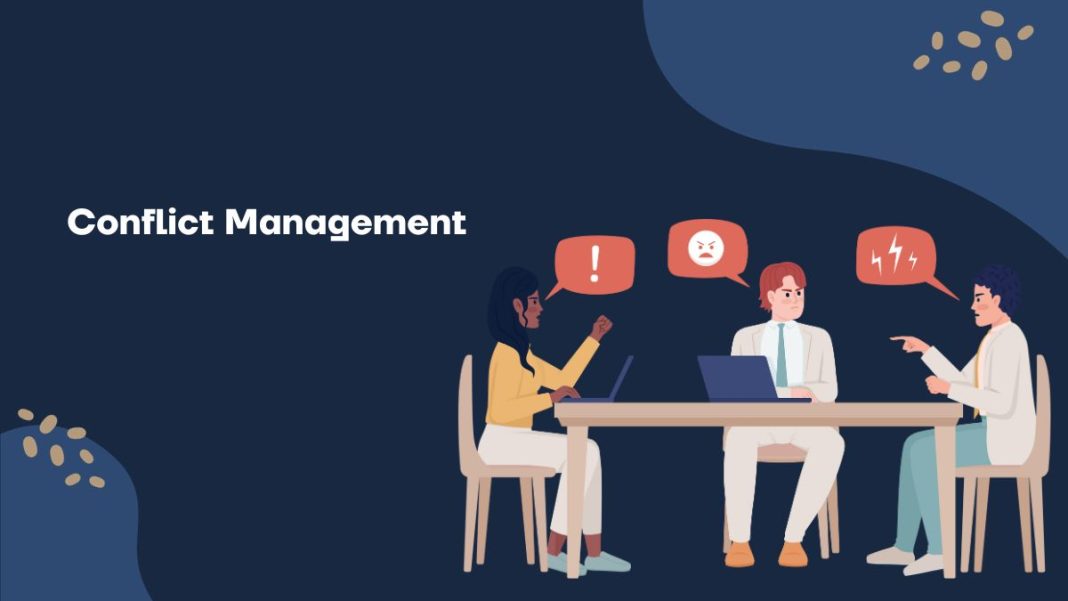
Conflict is inevitable in any business environment, as different perspectives, goals, and personalities often collide. However, when managed effectively, competition can lead to better decision-making, enhanced creativity, and improved team dynamics.
Understanding The Sources Of Conflict
Understanding the sources of conflict is crucial for effective conflict management in business. By identifying the root causes of conflicts, leaders and team members can address issues at their core and implement strategies to prevent future conflicts. Let’s delve deeper into some familiar reasons for competition in the workplace:
Differences In Communication Styles: Conflicts may arise when individuals have different communication styles, leading to misunderstandings, misinterpretations, and frustration. Some employees may prefer direct communication, while others may be more diplomatic or indirect.
Work Expectations: Conflicts can occur when team members have varying expectations regarding roles, responsibilities, and performance standards. Misalignment in understanding job tasks and deliverables can lead to confusion and disagreements, hindering productivity.
Power Struggles: Hierarchical organizational structures can create power dynamics that lead to conflicts. When employees perceive unequal distribution of power or lack of recognition, it can result in tension and dissatisfaction.
Competing Interests: Different departments or teams within an organization may have competing interests, such as resource allocation, budget priorities, or project timelines. These conflicting interests can lead to friction and disagreement between teams.
Personality Clashes: Personality differences are inevitable in any workplace. When individuals with contrasting personalities must collaborate closely, conflicts may arise due to clashes in communication, work styles, or values.
Scarce Resources: Limited resources, such as funding, equipment, or office space, can trigger conflicts among employees or departments vying for these resources. The competition for scarce resources can lead to tension and strained relationships.
Change And Uncertainty: Organizational changes, such as mergers, acquisitions, or restructuring, can create uncertainty and anxiety among employees. This uncertainty may manifest as resistance to change, leading to organizational conflicts.
Role Ambiguity: When roles and responsibilities are unclear, conflicts can arise over who should be accountable for specific tasks or decisions. Lack of clarity in job roles may lead to confusion and overlapping responsibilities.
Diversity And Inclusion: Diverse workplaces bring together individuals with varied backgrounds, cultures, and perspectives. While diversity enriches an organization, it can also give rise to misunderstandings or conflicts stemming from cultural differences or biases.
Performance Issues: Conflicts may arise when team members perceive others as not pulling their weight or when some individuals consistently fail to meet performance expectations. Addressing performance issues is crucial to maintaining a cohesive and motivated team.
By recognizing these sources of conflict, businesses can proactively address potential challenges and develop strategies to promote a harmonious work environment. Implementing effective communication, fostering mutual understanding, and embracing diversity can pave the way for successful conflict resolution and more robust team dynamics.
Effective Communication And Active Listening

Effective communication and active listening are essential skills for conflict management in business. Miscommunication and misunderstandings are familiar sources of conflict, and mastering these skills can help prevent and resolve disputes more effectively. Explore how effective communication and active listening contribute to conflict resolution:
Clear And Transparent Communication
Encouraging open and transparent communication within teams and across the organization can reduce the likelihood of conflicts. When individuals express their thoughts, ideas, and concerns openly, it fosters a culture of trust and collaboration.
Empathy And Understanding
Active listening involves hearing what others say and understanding their perspectives and feelings. Demonstrating empathy and putting oneself in another’s shoes can de-escalate conflicts and create a supportive environment.
Non-Verbal Communication
Communication is not solely based on words; non-verbal cues, such as body language and facial expressions, convey emotions and intentions. Awareness of and interpreting these cues can help address underlying issues and avoid misunderstandings.
Clarification And Feedback
Encouraging team members to seek clarification when unsure about a message can prevent misinterpretations. Providing constructive feedback in a non-confrontational manner allows individuals to understand how their actions impact others.
Conflict Resolution Techniques
Effective communication includes learning and applying conflict resolution. Techniques like active listening, reframing, and finding common ground can help navigate conflicts and reach mutually acceptable solutions.
Respectful Communication
Promoting a culture of respect ensures that all team members feel valued and heard. Respecting diverse viewpoints and avoiding derogatory language or personal attacks helps maintain a positive work environment.
Emotional Intelligence
Developing emotional intelligence enables individuals to manage their emotions and recognize emotional cues in others. Emotional intelligence is crucial in emotionally charged situations, helping de-escalate conflicts and find constructive resolutions.
Avoiding Assumptions
Misunderstandings often arise from making assumptions about others’ intentions or beliefs. Encouraging individuals to seek clarification instead of making assumptions can prevent conflicts from escalating.
Conflict Mediation
In situations where conflicts persist, having a skilled mediator can be beneficial. Mediators can facilitate productive discussions, identify common interests, and help parties find ground for resolution.
Follow-Up And Evaluation
Effective communication doesn’t end with a single conversation. Regular follow-ups and evaluation of conflict resolution outcomes ensure that issues are fully addressed and the solutions are sustainable.
Incorporating these elements of effective communication and active listening into the workplace can promote a culture of constructive dialogue and understanding. It empowers teams to address conflicts early, resulting in more productive and harmonious working relationships.
Collaborative Problem-Solving

Collaborative problem-solving is a vital aspect of conflict management in business. It involves bringing together individuals or teams with differing perspectives to work collectively toward finding solutions to challenging issues. Here’s how collaborative problem-solving contributes to effective conflict resolution:
Diverse Insights And Ideas: When teams collaborate on problem-solving, they bring various insights and ideas. Different backgrounds, experiences, and expertise lead to innovative conflict resolution approaches.
Shared Responsibility: Collaborative problem-solving fosters a sense of shared responsibility for finding solutions. Instead of burdening a single individual or group, all stakeholders actively participate.
Inclusive Decision-Making: Inclusive decision-making is a hallmark of collaborative problem-solving. All involved parties have an opportunity to contribute to decisions, promoting a sense of ownership and commitment to the resolution.
Trust Building: Working together to address conflicts builds trust among team members. Belief is fundamental for effective collaboration and future conflict resolution.
Effective Communication: Collaborative problem-solving encourages open and constructive communication. It allows team members to express their concerns, opinions, and feedback, ensuring that all viewpoints are considered.
Win-Win Solutions: The collaborative approach focuses on finding win-win solutions for all parties. This approach helps avoid zero-sum situations, where one side’s gain is perceived as the other’s loss.
Conflict Transformation: Instead of merely resolving conflicts, collaborative problem-solving transforms conflicts into opportunities for growth and improvement. It enables teams to learn from past challenges and enhance their problem-solving skills.
Consensus Building: In collaborative problem-solving, teams strive to reach a decision. Consensus-building ensures that decisions have broad support and are more likely to be implemented successfully.
Building Strong Relationships: Collaborating to address conflicts strengthens relationships among team members. It fosters a sense of camaraderie and solidarity, which can positively impact future collaborations.
Continuous Learning: The collaborative process allows teams to learn from each other and the resolution process. Continuous learning helps teams become more adept at addressing conflicts in the future.
Flexibility And Adaptability: Collaborative problem-solving embraces flexibility and adaptability. As conflicts evolve, teams can adjust their approach and strategies accordingly.
Resilience And Persistence: Resolving conflicts through collaboration may require time and persistence. Teams that persevere through challenges demonstrate strength and commitment to finding sustainable solutions.
By embracing collaborative problem-solving, businesses can create a culture of cooperation and open communication, and business owners or entrepreneurs can also further their career development. This approach improves conflict resolution and enhances team dynamics and overall organizational effectiveness.
Implementing Mediation And Facilitation Techniques
Mediation and facilitation are valuable to facilitate communication, promote understanding, and find common ground among conflicting parties.
Techniques Contribute To Conflict Management And Resolution
Neutral Third-Party Involvement
Mediation involves the intervention of a neutral third party, the mediator, who facilitates communication and guides the conflicting parties toward a mutually acceptable resolution. This neutral presence helps create a safe and non-confrontational environment for discussing sensitive issues.
Active Listening
Mediators and facilitators actively listen to all parties involved in the conflict. By actively listening, they comprehensively understand each party’s perspective, needs, and concerns, fostering empathy and trust.
Identifying Underlying Issues
Mediators and facilitators delve into the root causes of the conflict, seeking to identify underlying issues that may not be immediately apparent. They can develop more comprehensive and lasting solutions by addressing these underlying concerns.
Structured Communication
Mediation and facilitation employ structured communication techniques to ensure that all parties have an equal opportunity to speak and be heard. This approach minimizes interruptions and fosters a respectful dialogue.
Managing Emotions
Conflicts can be emotionally charged, leading to breakdowns in communication. Mediators and facilitators are skilled at managing emotions and keeping discussions focused on the issues rather than personal attacks.
Generating Options
Mediators and facilitators assist conflicting parties in generating a range of potential solutions to the problem. They encourage creativity and brainstorming, leading to a more diverse set of options for resolution.
Building Consensus
Mediation and facilitation aim to help parties reach a consensus on the best course of action. They can build consensus and foster collaboration by exploring solutions and finding common ground.
Maintaining Neutrality
Mediators and facilitators maintain impartiality throughout the process, ensuring no party feels favoritism or bias. This neutrality instills confidence in the fairness of the resolution process.
Empowering Participants
Mediation and facilitation empower conflicting parties to take ownership of the resolution process. Rather than imposing solutions, the mediator or facilitator guides participants in making informed decisions.
Confidentiality
Mediation and facilitation sessions are typically confidential, creating a safe space for open and candid discussions. Participants can freely express their concerns without fear of reprisal.
Cost-Effective Resolution
Mediation and facilitation techniques can be more cost-effective than formal legal proceedings or lengthy disputes. Resolving conflicts through these methods can save both time and resources for businesses.
Preserving Relationships
Emphasize preserving relationships between conflicting parties. By promoting understanding and cooperation, these techniques can help maintain positive working relationships after the conflict is resolved.
Incorporating mediation and facilitation techniques into conflict management strategies enables businesses to address conflicts constructively and collaboratively. These techniques promote effective communication, understanding, and cooperation, fostering an environment of trust and productivity within the organization.
Creating a Conflict Resolution Policy
Creating a conflict resolution policy is essential for businesses to manage conflict and promote a positive work environment. A well-defined policy outlines clear guidelines and procedures for addressing disputes, ensuring they are handled consistently and fairly. Here’s how to develop an effective conflict resolution policy:
Identify Key Stakeholders: Involve key stakeholders, including management, HR personnel, and employees, in the policy development process. Gather insights from different perspectives to create a comprehensive and inclusive policy.
Define Types Of Conflicts: Specify the various conflicts that may arise in the workplace, such as interpersonal conflicts, performance-related issues, or resource disputes. Understanding different conflict categories helps tailor appropriate resolution strategies.
Establish Clear Communication Channels: Outline the communication channels for employees to raise concerns or conflicts. Provide multiple options, such as direct communication with supervisors, HR representatives, or anonymous reporting systems.
Set Response Timeframes: Define response timeframes for acknowledging conflict reports and initiating the resolution process. Prompt responses demonstrate the organization’s commitment to addressing conflicts promptly.
Designate a Mediator or Facilitator: Appoint trained mediators or facilitators to handle conflicts impartially. Specify their roles, responsibilities, and qualifications, ensuring they have the necessary skills to guide the resolution process effectively.
Outline Conflict Resolution Steps: Detail the step-by-step process for resolving conflicts, starting with informal discussions and escalating to formal mediation or HR involvement when necessary. Provide guidelines on documenting conflict-related discussions and decisions.
Ensure Confidentiality: Emphasize the importance of confidentiality during conflict resolution. Assure employees that their concerns will be handled discreetly, encouraging open and honest communication.
Focus On Solutions: Encourage a solution-oriented approach to conflict resolution. Emphasize the importance of identifying mutually beneficial answers and maintaining positive working relationships.
Educate Employees: Conduct training sessions about the conflict resolution policy. Ensure everyone understands their roles, rights, and responsibilities in the process.
Monitor And Evaluate: Regularly review the effectiveness of the conflict resolution policy. Collect employee feedback and assess the policy’s impact on workplace dynamics and employee satisfaction.
Encourage Feedback: Create a feedback mechanism for employees to provide input on the conflict resolution process. This helps identify potential areas for improvement and enhances the policy’s overall effectiveness.
Address Retaliation: Clearly state that retaliation against employees who report conflicts or participate in the resolution process will not be tolerated. Ensuring a safe environment for employees to speak up is crucial for successful conflict resolution.
By implementing a comprehensive conflict resolution policy, businesses can foster a healthy and productive work environment. This approach empowers employees to address conflicts constructively, strengthens communication and collaboration, and ultimately contributes to the organization’s success.
Learning From Conflict And Building a Positive Culture

Learning from conflicts and fostering a positive culture is crucial for long-term success and growth within a business. Conflict, when handled constructively, can lead to valuable insights and improvements. Here’s how companies can leverage, learn, and create a positive culture and apply the practice of conflict management:
Debriefing After Resolutions: After resolving conflicts, conduct debriefing sessions to reflect on the root causes, resolution strategies, and outcomes. Encourage open discussions and gather feedback from all parties involved to identify areas for improvement.
Encouraging Constructive Feedback: Foster a culture where employees feel comfortable providing feedback without fear of retribution. Emphasize the importance of constructive criticism to identify issues and opportunities for growth.
Promoting a Growth Mindset: Encourage a growth mindset where challenges and conflicts are viewed as opportunities for learning and improvement. Celebrate employees who tackle conflicts head-on and embrace a willingness to learn from them.
Implementing Conflict Resolution Training: Offer conflict resolution training for employees and managers. Provide tools and techniques to manage conflicts and facilitate collaborative problem-solving effectively.
Recognizing Positive Conflict Handling: Acknowledge and recognize employees who handle conflicts positively and professionally. Celebrate their efforts to maintain a harmonious work environment.
Sharing Success Stories: Share success stories of conflicts resolved successfully and resulted in positive outcomes. Highlight how conflict resolution efforts contributed to the overall growth and success of the business.
Team-Building Activities: Organize team-building activities to promote camaraderie and foster positive employee relationships. Strengthening interpersonal bonds can help prevent conflicts and create a cohesive team.
Encouraging Diverse Perspectives: Embrace diversity and inclusivity, as it brings varied perspectives and ideas. Encourage employees to share their unique viewpoints and engage in respectful discussions to broaden the team’s knowledge base.
Establishing Values And Principles: Define and communicate the company’s core values and principles, emphasizing the importance of respect, open communication, and collaboration in the workplace.
Reducing Stress And Workload: Address potential sources of stress and workload imbalances, as they can contribute to conflicts. Promote work-life balance and support employees’ mental well-being.
Providing Conflict Mediation Resources: Offer access to conflict mediation resources, such as HR representatives or external professionals, for situations that require neutral facilitation.
Leading By Example: Senior management and leaders should exemplify positive conflict resolution behaviors. Committing to constructive conflict management sets a powerful example for the entire organization.
By embracing conflicts as opportunities for growth and learning, businesses can create a positive culture that values open communication, collaboration, and continuous improvement.
Conflict management should be exercised in the business environment; it enables organizations to navigate challenges, build stronger teams, and drive success. By fostering open communication, embracing collaborative problem-solving, and having a well-defined conflict resolution policy, businesses can handle conflicts effectively and foster a culture of harmony and productivity.