

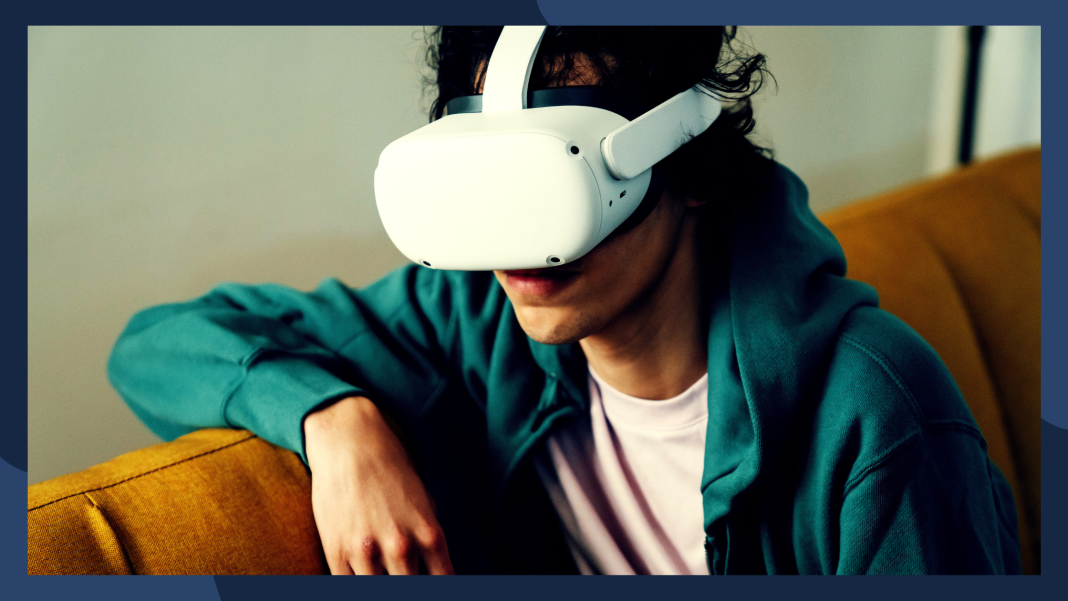
Wearable devices have gained significant popularity, from smartwatches and fitness trackers to augmented reality glasses and smart clothing. They are revolutionizing how we interact with technology and monitor our daily lives.
Understanding Wearable Technology
Wearable technology, often called wearables, encompasses a wide range of electronic devices designed to be worn on the body or integrated into clothing. These devices have advanced sensors, microprocessors, and connectivity options that allow them to gather data, process information, and communicate with other devices or networks. As the next frontier in technological innovation, wearables have captured the imagination of consumers, technologists, and industries alike, transforming how we interact with technology and enhancing various aspects of our daily lives.
Definition And Characteristics Of Wearable Technology
At its core, wearable technology represents the fusion of fashion and technology, seamlessly integrating smart devices into our attire or accessories. These devices are designed to be worn comfortably, promoting a hands-free experience while remaining unobtrusive to the user’s daily activities. The most common wearables include smartwatches, fitness trackers, smart glasses, smart rings, and smart clothing.
Types Of Wearable Devices

- Smartwatches: Smartwatches are wrist-worn devices that offer functionalities beyond traditional timekeeping. They can display notifications, track fitness metrics, enable mobile payments, and even run third-party applications.
- Fitness Trackers: Fitness trackers are designed to monitor physical activity and health-related data, such as steps taken, heart rate, sleep patterns, and calorie consumption. They encourage users to adopt a healthier lifestyle by providing valuable insights into their daily habits.
- Smart Glasses: Also known as augmented reality glasses, these wearables overlay digital information onto the user’s real-world view. They have applications in gaming, navigation, and even professional fields like healthcare and manufacturing.
- Smart Rings: Smart rings offer compact yet functional features, such as tracking activity, receiving notifications, and making contactless payments, all in a discreet form.
- Smart Clothing: Smart clothing incorporates electronic components into garments, allowing them to monitor biometric data, adjust the temperature, or enhance athletic performance.
Underlying Technologies Of Wearable Devices
The functionality of wearable technology is made possible by a combination of cutting-edge technologies:
- Sensors: Wearables are equipped with various sensors, such as accelerometers, heart rate monitors, gyroscopes, GPS, and temperature sensors. These sensors collect data about the user’s movements, biometrics, and environmental conditions.
- Microprocessors: Embedded microprocessors process the data collected by the sensors, enabling real-time analysis and actionable insights. They also handle the device’s interface and functionality.
- Connectivity Options: Wearables use Bluetooth, Wi-Fi, and cellular networks to communicate with smartphones, computers, or cloud-based services.
The Impact Of Wearable Technology On Daily Life
Wearable technology has profoundly transformed the way we live, work, and interact with the world. Some of its key impacts include:
- Healthcare and Wellness: Wearables play a significant role in the healthcare sector by monitoring vital signs, tracking medical conditions, and promoting preventive care. They empower individuals to take control of their health and provide valuable data to healthcare professionals for personalized treatments.
- Fitness and Sports: Fitness enthusiasts and athletes use wearables to track their physical activities, set fitness goals, and optimize their performance. These devices serve as personal coaches, motivating users to stay active and maintain a healthy lifestyle.
- Communication and Connectivity: Wearables facilitate seamless communication by delivering notifications, messages, and calls to the user’s wrist or eyes. This hands-free communication enhances convenience and productivity.
- Entertainment And Gaming: Wearables open new avenues for immersive entertainment experiences, particularly in augmented and virtual reality applications. Gamers can enjoy interactive and realistic gameplay through AR glasses or wearable controllers.
- Workplace Productivity: Wearable technology has the potential to enhance workplace safety, efficiency, and collaboration. For example, smart glasses can provide real-time information and hands-free assistance to manufacturing, logistics, and healthcare workers.
Challenges And Considerations
While wearable technology offers exciting possibilities, several challenges must be addressed:
- Battery Life: Many wearables struggle with limited battery life, requiring frequent recharging. Improving battery technology and optimizing power consumption are ongoing challenges.
- Data Privacy And Security: Wearables collect and transmit sensitive personal data, raising concerns about privacy and security. Manufacturers and developers must implement robust data protection measures to safeguard user information.
- Design And Comfort: Wearables need to strike a balance between functionality and aesthetics. Manufacturers must consider ergonomics, style, and comfort to encourage widespread adoption.
- Standardization: The industry lacks standardized interfaces and protocols, making it difficult for different devices to communicate seamlessly. Establishing industry-wide standards would enhance interoperability and user experience.
Evolution Of Wearable Technology
Wearable technology has come a long way since its inception, evolving rapidly to meet consumers’ needs and preferences. The start of the evolution of wearables can be traced back to early innovations that laid the foundation for the devices we see today.
Early Innovations And Experiments
The concept of wearable technology can be traced back several decades, with early experiments and prototypes paving the way for future developments. In the 1960s, we saw the emergence of the first wearable device, such as the “Greatbatch Pacemaker,” developed by Wilson Greatbatch. Although these devices were not consumer-focused, they marked the beginning of integrating electronics into wearable form factors.
Rise Of Fitness And Health Trackers

The real breakthrough for wearable technology came with the introduction of fitness and health trackers. The launch of devices like Fitbit and Nike+ FuelBand allows users to monitor their physical activity, track steps, burn calories, and even monitor sleep patterns.
Smartwatches
The launch of smartwatches marked a significant turning point in the evolution of wearable technology. Companies like Pebble, Samsung, and Apple introduced smartwatches with advanced functionalities beyond fitness tracking. Smartwatches became an extension of smartphones, allowing users to receive notifications, make calls, control music, and even run apps directly from their wrists.
Expansion Into Augmented And Virtual Reality
Wearable technology expanded beyond fitness and communication into augmented and virtual reality. Devices like Google Glass and Microsoft HoloLens introduced the concept of smart glasses, overlaying digital information onto the user’s field of vision. These devices found applications in healthcare, manufacturing, and gaming, creating immersive experiences and enhancing productivity.
Smart Clothing And E-Textiles
Another significant development in wearable technology is the emergence of smart clothing and e-textiles. These innovative fabrics incorporate sensors, conductive threads, and embedded electronics to offer functionalities like biometric monitoring, temperature regulation, and even gesture recognition.
Functionalities And Applications Of Wearable Technology
Wearable technology has grown exponentially, offering various functionalities and applications far beyond its initial fitness-tracking origins. As miniaturization, sensor technology, and connectivity advancements continue, wearables are becoming more versatile and capable of addressing various needs across multiple industries. Let’s explore the functionalities and applications of wearable technology:
- Health And Fitness Monitoring: Wearable fitness trackers, smartwatches, and smart rings remain famous for monitoring physical activity, heart rate, sleep patterns, and calorie consumption. These devices help users track their fitness goals, encourage healthy behaviors, and provide valuable insights into overall well-being.
- Medical And Healthcare: Wearables revolutionize the industry by providing continuous monitoring and remote patient care. Devices like continuous glucose monitors (CGMs), intelligent patches, and health-oriented smartwatches assist in managing chronic conditions, monitoring vital signs, and alerting medical professionals in emergencies.
- Augmented And Virtual Reality: Smart glasses and headsets enable immersive augmented and virtual reality experiences. These wearables find applications in gaming, training simulations, industrial design, and medical procedures, enhancing productivity and creating new ways of interacting with digital information.
- Navigation And Location Tracking: Smartwatches and smart glasses equipped with GPS technology assist users in navigation, offering real-time directions and location-based services. Wearables help hikers, cyclists, and travelers find their way, improving safety and convenience.
- Communication And Connectivity: Smartwatches and earbuds provide seamless communication, allowing users to make calls, send messages, and receive notifications without needing a smartphone. These wearables enhance connectivity and productivity, especially during workouts or when hands-free communication is essential.
- Payment And Authentication: Wearables, such as intelligent rings and payment-enabled smartwatches, facilitate contactless payments, enabling users to purchase without physical credit cards. Additionally, biometric wearables can be used for secure authentication and access control.
- Smart Clothing And E-Textiles: Smart clothing incorporates sensors and conductive materials to monitor biometrics, body temperature, and posture. These wearables find applications in sports performance optimization, healthcare monitoring, and rehabilitation.
- Entertainment And Media Consumption: Wearables entertain on the go, allowing users to listen to music, podcasts, and audiobooks through smartwatches or wireless earbuds. Some smart glasses and VR headsets provide cinematic experiences and gaming options.
- Workplace Productivity And Safety: Many wearable devices are increasingly used in industries such as manufacturing and logistics to enhance workers’ productivity and safety. Smart helmets with AR displays provide real-time data and instructions to workers, improving efficiency and reducing errors.
- Personal Safety And Emergency Response: Equipped with panic buttons or SOS features, it provides an added layer of security for users in emergencies. These devices can send distress signals to designated contacts or emergency services, enhancing personal safety.
- Environmental Monitoring: Environmental sensors can detect air quality, UV radiation, and other ecological factors, alerting users to potential health risks and promoting awareness of their surroundings.
- Assistive Technologies: Have significant potential in assisting individuals with disabilities. For example, intelligent prosthetics can provide enhanced mobility, and wearable devices with speech recognition can aid those with communication difficulties.
The applications of wearable technology continue to expand as innovation drives new possibilities. As more industries recognize the potential benefits of wearables, we can expect to see further advancements and integration into our daily lives, making wearable technology an indispensable part of our connected future.
Design And User Experience
The design and user experience (UX) of wearable technology are crucial to its adoption and success. As wearables become more integrated into our daily lives, their design must prioritize functionality and aesthetics while offering a seamless and intuitive user experience. Here are some key aspects to consider when exploring the design and UX of wearable technology:
- Form Factor And Aesthetics: Wearables come in various forms, from smartwatches and fitness bands to smart glasses and clothing. Designers must consider the form factor carefully to ensure the wearable is comfortable, discreet, and aligns with users’ style preferences. Aesthetics also play a significant role in attracting users to wear the device regularly.
- Ergonomics And Wearability: Wearable devices must fit comfortably on the user’s body and be designed for all-day wear. Straps, bands, and clasps should be adjustable and durable, ensuring a secure fit without causing discomfort. The weight and size of the wearable should be optimized for convenience.
- Display And Interaction: The size and interface of wearables are critical design elements. The screen should be readable in various lighting conditions, and the user interface must be easy to navigate with simple gestures or voice commands. Clutter-free visuals and intuitive icons contribute to a positive user experience.
- Battery Life And Charging: Prolonged battery life is essential for wearables to provide uninterrupted usage. Designers should optimize power consumption and explore innovative charging solutions like wireless or energy harvesting technologies.
- Data Visualization: Wearables often collect vast amounts of data. Designers must find creative ways to visualize this data to provide meaningful insights to users without overwhelming them. Simple graphs, charts, and notifications help users quickly understand their health metrics or performance data.
- Personalization And Customization: Allowing users to personalize their wearables enhances the user experience. This can include customizable watch faces, themes, or app layouts, providing a sense of ownership and uniqueness.
- Seamless Integration With Devices: Wearables often act as extensions of users’ smartphones or other devices. The design should ensure smooth integration with companion apps, data synchronization, and seamless communication.
- Feedback And Notifications: Wearables can offer haptic feedback, vibrations, or visual cues to provide timely notifications and alerts. The thoughtful design of these feedback mechanisms ensures that users stay informed without disruptions.
- Health And Safety Considerations: For wearables focused on health monitoring, designers must ensure accuracy and reliability. In medical-grade wearables, adherence to safety standards and regulatory compliance is critical.
- Accessibility And Inclusivity: Wearable technology should be designed with accessibility in mind, ensuring that users with disabilities can use the device effectively. Features like voice commands and screen readers can enhance inclusivity.
- Privacy And Data Security: As wearables collect personal data, strong emphasis should be placed on privacy and data security. User data must be protected, and transparent privacy policies should be communicated to users.
- User Testing And Iterative Design: User testing and feedback are integral to refining the design and UX of wearables. Regular iterations based on user insights help address pain points and enhance overall satisfaction.
Data Privacy And Security
Data privacy and security are critical aspects of wearable technology, considering the vast amount of personal information these devices collect and process. As wearables become more prevalent and sophisticated, ensuring the privacy and security of user data becomes increasingly challenging. Here are key points to consider when discussing data privacy and security in wearable technology:
Data Collection And Storage
Wearable devices gather various data types, such as biometric information, heart rate, sleep patterns, location data, and user preferences. Manufacturers must be transparent about the types of data collected and provide precise consent mechanisms during the setup process. Moreover, data storage should adhere to industry best practices, using encryption and secure protocols to prevent unauthorized access.
User Consent And Control
Users should control the data collected by wearables. This means they should be able to choose which data is collected and for what purposes and have the option to opt-out or delete their data when desired. Transparent privacy policies and straightforward user interfaces for managing data preferences are essential.
Secure Communication
Wearables often connect to other devices or cloud services to transfer data. Manufacturers must implement secure communication protocols, such as encryption and secure sockets layer (SSL), to protect data in transit.
Biometric Data Protection
Biometric data, such as fingerprints or facial recognition, is susceptible and should be treated with the utmost care. Manufacturers should store biometric data securely, preferably on the device itself, and avoid sending it over networks unless necessary.
Device Authentication
Implement robust user authentication mechanisms to prevent unauthorized access. PIN codes, passcodes, or biometric authentication can be used to secure the device and user data.
Regular Software Updates
Manufacturers should release regular software updates to address security vulnerabilities and improve data protection. Prompt updates ensure that wearable devices are equipped with the latest security patches.
Privacy By Design
Privacy considerations should be embedded into the design and development process of wearable technology. Privacy by design principles also help identify and address potential privacy issues early on.
Third-Party Apps And Services
Wearables often support third-party apps and services. Manufacturers should test and check these apps for security and data privacy compliance to ensure they do not compromise user data.
Data Anonymization And Aggregation
When wearable data is used for research or analysis, it should be anonymized and aggregated to protect user identities. This practice ensures that individual users cannot be identified from the data.
Physical Security
Since wearables are portable, physical security is crucial. Remote locking and data wiping should be available if the device is lost or stolen.
Regulatory Compliance
Wearable technology manufacturers must adhere to relevant data protection laws and regulations in the regions where their devices are sold. Compliance with GDPR in the European Union or similar regulations worldwide is essential.
User Education
Promoting data privacy and security awareness among users is vital. Manufacturers should educate users about best practices for securing their wearables and the potential risks of sharing sensitive data.
By addressing these data privacy and security considerations, wearable technology can gain users’ trust, foster wider adoption, and contribute positively to the lives of individuals while safeguarding their sensitive information from unauthorized access and misuse.
Challenges And Limitations
Wearable technology has seen significant advancements and widespread adoption, but it still faces several challenges and limitations that must be addressed to unlock its full potential. Here are some of the critical challenges and constraints faced by wearable technology:
Battery Life
One of the most prominent challenges for wearable devices is limited battery life. With small form factors and continuous data processing, wearables consume significant power. Prolonged battery life is crucial for user convenience and practicality.
Data Accuracy And Reliability
Relying on sensors to collect data and their accuracy and reliability can vary. Factors like device placement, motion artifacts, and environmental conditions can affect the accuracy of data collected, impacting the overall user experience.
Interoperability And Standardization
The wearable technology market is flooded with various devices from different manufacturers. Interoperability issues arise when devices from one brand struggle to work seamlessly with those from others. Standardization efforts are required to ensure seamless communication and data sharing between devices and platforms.
Design And Fashion Integration
There are challenges in terms of design and fashion integration. Consumers expect wearables to be aesthetically appealing and match their style. Striking the right balance between functionality and fashion is crucial for wide-scale adoption.
Health And Safety Concerns
Devices increasingly delve into health monitoring, and concerns about their accuracy and potential health risks arise. Manufacturers must ensure these devices meet stringent health and safety standards to avoid adverse user effects.
Data Privacy And Security
Collecting and storing sensitive personal data on wearables raises privacy and security concerns. Wearables may become vulnerable to hacking and data breaches, leading to compromised user information.
Limited Screen Size And Interaction
Devices like smartwatches or smart glasses often have limited screen size and interaction capabilities. This constraint poses challenges for displaying information and creating engaging user experiences.
Price And Affordability
It can be expensive, limiting their accessibility to a broader demographic. Price considerations are crucial for widespread adoption, especially in developing markets.
Regulatory Hurdles
Devices that deal with health and medical data must navigate strict regulatory frameworks, which can slow down innovation and product development.
Cultural Acceptance
Cultural norms and social acceptance can also impact the adoption of wearable technology. Some individuals may feel uncomfortable with constant data tracking or wearing devices in specific social settings.
Limited Use Cases
While devices have shown promise in fitness tracking and health monitoring, they have not yet fully explored their potential in other domains. Expanding the use cases of wearables beyond health and fitness remains a challenge.
Durability And Longevity
These devices need to be durable enough to withstand daily wear and tear. Users expect them to last, so device longevity is essential to consumer satisfaction.
Despite these challenges, wearable technology continues to evolve and improve. Materials, battery technology, and data processing innovations promise to address these limitations and open new possibilities for wearable devices in various industries and consumer applications. As the field matures and technology becomes more sophisticated, overcoming these challenges will be critical to the long-term viability of wearable technology.
Future Of Wearable Technology
The future of wearable technology holds tremendous promise and reshapes the industry. Here are some key areas where wearable technology is expected to evolve in the coming years:
Healthcare Revolution
It is set to revolutionize the healthcare industry. Advanced health monitoring devices will continuously track vital signs, chronic conditions, and overall well-being. Wearables will become indispensable tools for healthcare professionals to monitor patients remotely, personalize treatment plans, and make data-driven decisions.
Medical-Grade Devices
Sensors and technology improve, and we can expect the emergence of more medical-grade wearables. These devices will gain approval from regulatory authorities and provide accurate data for diagnosing and managing medical conditions, resulting in better patient outcomes.
Integration With Telemedicine
Play a vital role in telemedicine, enhancing virtual consultations between patients and healthcare providers. Real-time health data captured by wearables will empower doctors to make accurate assessments and recommendations, irrespective of the patient’s location.
Augmented Reality And Virtual Reality Integration
AR glasses will blend the digital and physical worlds seamlessly. These devices will provide immersive experiences, enhancing entertainment, education, training, and productivity in various industries.
Neurotechnology Wearables
Advancements in neurotechnology will pave the way for brain-computer interface wearables. These devices will enable users to control technology using their brain signals, benefiting individuals with disabilities and opening up new avenues for communication and interaction.
Flexible And Smart Fabrics
Wearable technology will move beyond traditional devices to incorporate intelligent fabrics. Clothing and accessories with integrated sensors that offer comfort, style, and functionality while seamlessly capturing data for various applications.
Energy Harvesting
Innovations in energy harvesting techniques, like solar or kinetic energy, will extend wearable devices’ battery life and reduce dependence on external power sources. This will lead to more sustainable and eco-friendly wearable solutions.
Emotional And Cognitive Tracking
Future wearables may include emotional and cognitive tracking capabilities. By analyzing biometric data and behavior patterns, these devices can provide insights into emotional states, stress levels, and cognitive performance, offering new ways to enhance mental health and well-being.
Smartwatches As Health Hubs
Smartwatches will evolve into comprehensive health hubs, integrating various health-related features like ECG monitoring, blood glucose tracking, sleep analysis, and hydration levels. They will serve as proactive health companions, alerting users to potential health issues and suggesting lifestyle improvements.
Wearables In Sports And Fitness
Wearable technology will continue to impact the sports and fitness industry. Athletes and fitness enthusiasts will use advanced wearables to monitor performance, prevent injuries, and optimize training routines.
Expanded Industrial And Enterprise Applications
Broader applications in industrial and enterprise settings. From improving workplace safety with smart helmets to optimizing logistics with wearable scanners, these devices will enhance efficiency and productivity across various industries.
Environmental Sensing
Some devices will focus on environmental sensing, measuring air quality, UV exposure, and pollution levels. This information will help users make informed decisions about their surroundings and promote environmentally conscious behaviors.
Biohacking And Personal Enhancement
The rise of biohacking culture may lead to wearable devices that aim to enhance human capabilities and performance. These devices could include implantable wearables or non-invasive devices that optimize physical and cognitive functions.
Seamless Connectivity
Wearable technology will integrate seamlessly into the Internet of Things (IoT) ecosystem, allowing wearables to communicate with other smart devices and systems, enhancing user experiences and automating tasks.
Implications For Society And Ethics
The rapid advancement and increasing integration of wearable technology into everyday life significantly affect society and ethics. While these innovations offer numerous benefits, they also present challenges that must be addressed. Here are some key considerations regarding the implications of wearable technology:
- Privacy Concerns: Constantly collecting and transmitting personal data, such as health metrics, location, and behavior patterns. This vast amount of information raises privacy concerns, as users may not fully understand how their data is used, stored, and shared. Ethical problems arise when data is mishandled, leading to potential breaches and unauthorized access.
- Data Security And Cybersecurity: The interconnected nature of wearable technology makes it vulnerable to cyberattacks. Hackers targeting wearable devices can compromise personal information, leading to identity theft, financial fraud, or even blackmail. Ensuring robust data security measures is paramount to protecting user information and maintaining public trust.
- Digital Divide: offers many benefits, but not everyone may have equal access to these devices. Economic disparities and the digital divide could create an inequitable situation where certain groups cannot fully benefit from the advantages of wearable technology, leading to potential societal inequality.
- Surveillance And Monitoring Concerns: Enable continuous surveillance and monitoring. While this may benefit specific applications like healthcare or workplace safety, it raises ethical questions regarding personal autonomy, consent, and potential abuse of surveillance capabilities.
- Impact On Social Interactions: Smart glasses and other head-mounted devices could alter social dynamics. For instance, constant connectivity may lead to distractions and detachment from real-life interactions, affecting the quality of human connections.
- Health And Safety Risks: There may be unintended consequences related to user health. Excessive reliance on wearables may lead to “cyberchondria,” where users obsess over minor health issues based on device data, leading to anxiety and unnecessary medical visits.
- Ethical Design And User Consent: Designers and manufacturers must prioritize ethical considerations in developing wearable technology. Transparent data collection practices, opt-in consent mechanisms, and user-friendly interfaces are vital to respecting user autonomy and ensuring responsible technology use.
- Regulatory And Legal Framework: Existing regulations may struggle to keep up with the pace of innovation. Policymakers must develop updated frameworks that address privacy, security, liability, and accountability in the wearable technology landscape.
- Workplace Impact: The widespread adoption of wearables in the workplace may raise ethical concerns related to employee monitoring, data-driven performance evaluations, and potential breaches of employee privacy.
- Addiction And Dependency: Create addiction-like behaviors, with users becoming overly reliant on the constant stream of data and notifications. This dependency could lead to adverse effects on mental health and productivity.
- Bias And Discrimination: Influence decision-making processes, there is a risk of perpetuating bias and discrimination. For example, health insurance or employment decisions based on wearable data may inadvertently discriminate against certain groups.
- Environmental Impact: Increased production and disposal of electronic devices can have adverse environmental effects. Ethical considerations require sustainable design, responsible manufacturing practices, and recycling initiatives.
Addressing these implications requires collaboration among technology developers, policymakers, and stakeholders. Striking a balance between innovation and ethical responsibility is crucial to ensure that wearable technology serves society’s best interests while respecting individuals’ rights and privacy.
Adoption And Market Trends
The adoption of wearable technology has grown significantly in recent years, driven by innovation, changing consumer behaviors, and increasing health and fitness awareness. As a result, the wearable technology market has experienced substantial growth and witnessed several notable trends:
Health And Fitness Dominate
Health and fitness wearables like fitness trackers, smartwatches, and heart rate monitors have been at the forefront of wearable technology adoption. These devices allow users to monitor their physical activities, sleep patterns, and vital signs, promoting a healthier lifestyle.
Remote Health Monitoring
The pandemic has accelerated the adoption of remote health monitoring solutions. Wearable sensors can remotely track patients’ health metrics and transmit the data to healthcare providers, allowing for better and more efficient healthcare management.
Smartwatches As Lifestyle Devices
Smartwatches have evolved into versatile lifestyle devices with features beyond health monitoring. They now offer smartphone notifications, music playback, mobile payments, and even standalone cellular connectivity, making them an essential accessory for tech-savvy individuals.
Growth Of Smart Clothing
Integrating sensors and technology into clothing has opened new possibilities for wearable tech. Smart clothing can monitor biometrics and body posture and provide haptic feedback for virtual reality experiences.
Augmented Reality Glasses
AR glasses represent a burgeoning area of wearable technology. They overlay digital information onto the user’s real-world view, enabling applications in gaming, navigation, training, and industrial use cases.
Personal Safety Wearables
Wearable technology has extended into personal safety applications, with devices equipped with panic buttons and location tracking. These wearables are particularly useful for vulnerable individuals, such as older people or people in dangerous professions.
Integration with the Internet of Things (IoT)
Seamless integration with IoT ecosystems allows users to connect and control various smart devices within their homes and workplaces, enhancing convenience and automation.
Expanding Industrial And Enterprise Applications
In logistics, construction, and healthcare industries, wearable devices are used for employee safety, task management, and productivity improvement.
Fashion Meets Technology
Collaborations between tech companies and fashion brands have led to fashionable wearables that appeal to a broader audience, blurring the line between technology and fashion.
Challenges With Battery Life And User Experience
Despite advancements, battery life remains a significant challenge for wearable technology. Consumers expect devices to last several days on a single charge, making battery efficiency crucial.
Interoperability And Data Integration
As the market expands, users may own multiple devices from different manufacturers. Ensuring seamless data integration and interoperability across these devices remains a challenge for the industry.
Privacy And Data Security Concerns
The increasing amount of personal data collected by wearable devices raises privacy and security concerns. Manufacturers must implement robust data protection measures to safeguard user information.
Affordability And Accessibility
While high-end wearable devices offer cutting-edge features, affordability remains a concern for broader adoption. Ensuring wearables are accessible to diverse consumers will drive market growth.
The wearable technology market is poised for continued growth and innovation as technology companies, startups, and researchers continue to explore novel applications and address current challenges. As the industry evolves, user-centric design, data privacy, and seamless integration with daily life will remain critical factors determining wearable technology’s success in the market.


