



Automatic Teller Machines have become an integral part of our daily lives, revolutionizing how we access and manage our finances. In the fast-paced banking and financial services world, ATMs have provided unprecedented convenience, accessibility, and flexibility to individuals and businesses alike.
Definition Of ATM’s
An Automatic Teller Machine, commonly known as an ATM, is an electronic device that allows customers to perform various banking transactions without human assistance. These self-service machines are typically located in public areas such as bank branches, shopping malls, airports, and convenience stores, providing users convenient access to their funds and a range of banking services.
Historical Background
The concept of ATMs dates back to the 1960s when the prototypes were developed as a solution to the growing demand for convenient cash withdrawals. The initial ATMs relied on magnetic stripe cards and required a physical connection to the bank’s network for transaction authorization. Over the years, technological advancements, such as introducing network connectivity, improved security measures, and integrating additional banking functionalities, have transformed ATMs into sophisticated and multifunctional devices.
Evolution Of ATMs
ATMs have evolved significantly since their inception. In the early days, ATMs primarily provided essential functions such as cash withdrawal and balance inquiries. However, with the advent of technology, modern ATMs now offer a wide range of services, including cash deposits, funds transfers, bill payments, account statements, and even the ability to purchase prepaid products and services. Integrating touchscreens, biometric authentication, and contactless payment options has enhanced ATMs’ user experience and security.
Impact On The Banking Industry


The profound impact of ATMs on the banking industry is massive, transforming how financial institutions interact with their customers. These machines have enabled banks to extend their services beyond traditional branch hours, providing customers with round-the-clock access to their accounts. ATMs have also reduced the reliance on human tellers for routine transactions, allowing bank staff to focus on more complex customer needs. Additionally, the widespread adoption of ATMs has led to the consolidation of bank branches, as customers now can access their funds through ATMs located in various locations.
The Digital Age
Automatic Teller Machines have evolved in the digital age to keep pace with changing customer expectations.
Enhanced Self-Service Capabilities
ATMs were expanded beyond primary cash withdrawal and deposit functions. In the digital age, ATMs offer a wide range of self-service capabilities, allowing customers to perform various banking tasks conveniently. These include balance inquiries, fund transfers, bill payments, check deposits, cardless transactions, and purchasing prepaid cards or gift vouchers. Integrating advanced software and user-friendly interfaces has made these transactions seamless and user-friendly.
Contactless And Mobile Integration
With the rise of contactless payments and mobile banking, ATMs have embraced these technologies to provide a seamless and secure banking experience. Many ATMs now support contactless card transactions, enabling customers to tap their cards for quick and convenient payments. Moreover, ATMs are increasingly integrated with mobile banking applications, allowing customers to initiate transactions, generate one-time PINs, and withdraw cash using their smartphones. This integration bridges the gap between digital banking and physical ATMs, offering customers greater flexibility and convenience.
Interactive And Personalized Experiences
The digital age has become more interactive and personalized. Automated Teller Machines employ touchscreen displays and intuitive interfaces to guide customers through transactions and offer personalized recommendations based on their banking history and preferences. By analyzing customer data, They can provide targeted promotions, product offers, or customized messages, enhancing customer engagement and satisfaction.
Integration With Biometric Technology
Biometric authentication, such as fingerprint or facial recognition, has become common in modern ATMs. This technology adds a layer of security and convenience, allowing customers to access their accounts using their unique biometric identifiers. Biometric authentication mitigates the risk of card skimming and unauthorized access, providing customers with a secure and hassle-free banking experience.
Integration With Cash Recycling
Cash recycling is an innovative feature that allows ATMs to accept deposited cash, verify its authenticity, and dispense the same money to other customers. This technology optimizes cash management by reducing transportation and bank operational costs. Cash recycling ATMs ensure the availability of cash, reduce the frequency of cash replenishment, and enhance the overall efficiency of cash handling.
Seamless Integration With Banking Channels
Automatic Teller Machines have become integral to a bank’s multi-channel strategy, seamlessly integrating with other online and mobile banking channels. This integration enables customers to initiate transactions through multiple channels and provides a consistent experience across all touchpoints. For example, customers can start a transaction on their mobile app and complete it at an ATM, or vice versa, without any disruption.
Advanced Analytics And Insights
Generate a vast amount of transactional data that banks can leverage for advanced analytics and insights. By analyzing ATM usage patterns, transaction volumes, and customer preferences, banks can identify trends, optimize cash management, tailor marketing campaigns, and enhance customer experience. This data-driven approach helps banks make informed decisions, improve operational efficiency, and deliver personalized services.
Enhanced Security Features
ATMs in the digital age incorporate advanced security features to counter emerging security threats. These include anti-skimming technologies, real-time transaction monitoring, fraud detection algorithms, and encryption mechanisms to safeguard customer data and prevent unauthorized access. Continuous advancements in security technologies ensure that ATMs remain secure in the face of evolving cybersecurity risks.
9 ATMs Innovation
The innovation in Automatic Teller Machines holds exciting possibilities as technological advancements continue to shape the banking industry. Here are some key trends and innovations that are likely to shape the innovations of ATMs:
1. Integration Of Artificial Intelligence
AI-powered ATMs have the potential to revolutionize the banking experience. Through natural language processing and machine learning algorithms, ATMs can interact with customers more human-like, understand complex requests, and provide personalized recommendations. AI can also help detect and prevent fraudulent activities by analyzing real-time patterns and anomalies.
2. Internet Of Things (IoT) Connectivity
As more devices become interconnected, ATMs will likely be part of the IoT ecosystem. This connectivity allows ATMs to gather data from various sources, such as customer devices and sensors, to provide more personalized services. For example, ATMs can leverage IoT data to offer location-based offers, real-time financial advice, or even predict cash withdrawal patterns to ensure sufficient cash availability.
3. Biometrics Advancements
Biometric authentication methods, such as facial recognition and iris scanning, are becoming more accurate and secure. In the future, ATMs may rely heavily on biometric technology to enhance security and streamline customer authentication. Biometrics can eliminate the need for physical cards or PINs, making transactions more convenient and secure.
4. Mobile Integration And Mobile-First Approach
As mobile banking thrives, ATMs will become more integrated with mobile applications. Customers can initiate transactions through their smartphones and complete them at ATMs seamlessly. Mobile-first design principles will be applied to ATM interfaces, ensuring consistency and familiarity for customers accustomed to performing transactions on their mobile devices.
5. Enhanced Personalization
Automatic Teller Machine will leverage customer data and analytics to provide highly personalized experiences. With a deep understanding of customer preferences and behavior, ATMs can offer tailored product recommendations, financial advice, and targeted promotions. Personalization will not only improve customer satisfaction but also drive engagement and loyalty.
6. Cashless Transactions
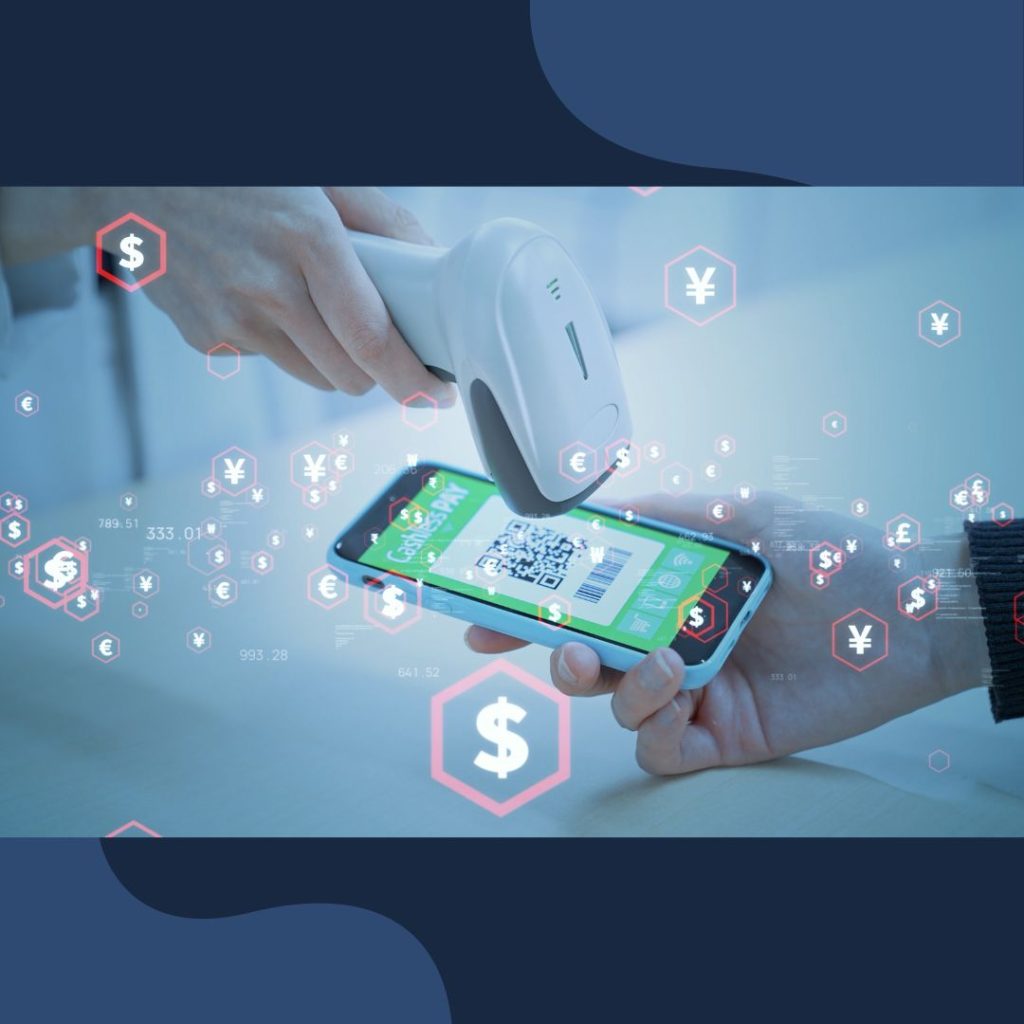
While cash continues to be widely used, the future may witness a rise in cashless transactions. ATMs will adapt to this shift by offering more options for digital payments, including QR codes, mobile wallets, and contactless transactions. This evolution aligns with the growing preference for digital and contactless payments, making ATMs more versatile and accommodating to various customer needs.
7. Enhanced Self-Service Capabilities
The continuation of the evolution of advanced self-service banking hubs. They will offer broader services beyond traditional cash withdrawals and deposits. Customers can open new accounts, apply for loans, make investments, and perform more complex transactions using ATMs. This expansion of services will empower customers with greater control over their financial journey.
8. Enhanced Security Measures
As cybersecurity threats evolve, ATMs will incorporate robust security measures to protect customer data and prevent fraud. Advanced encryption technologies, biometric authentication, and real-time monitoring systems will be deployed to ensure the integrity and security of transactions. Regular software updates and proactive security measures will be implemented to stay ahead of emerging threats.
9. Environmental Sustainability
With increasing environmental concerns, ATMs will likely adopt more sustainable practices. This includes using energy-efficient components, paperless receipts, and eco-friendly materials in ATM construction. Banks will strive to reduce their carbon footprint by implementing green initiatives across their ATM networks.
Integration With Online And Mobile Banking
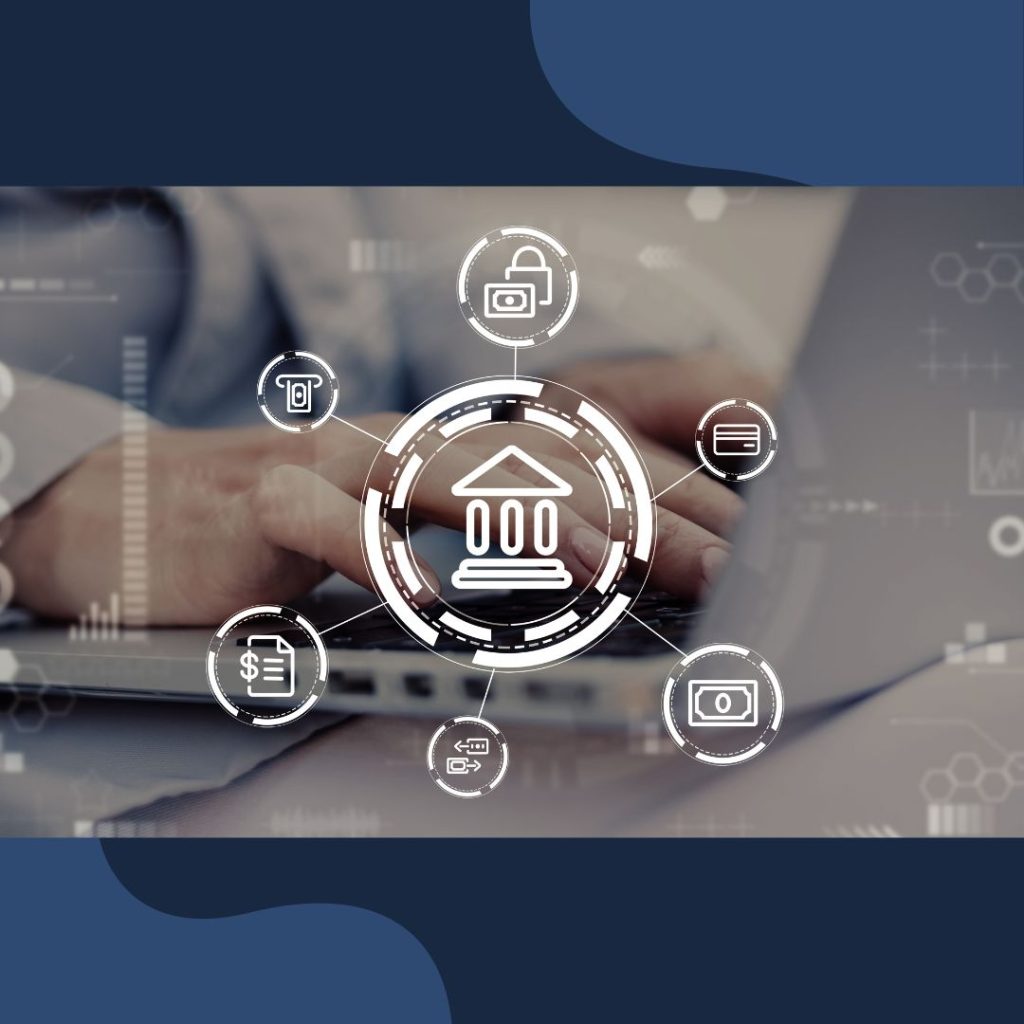
ATMs were seamlessly integrated with online and mobile banking platforms, creating a cohesive and connected banking experience. Customers can initiate transactions through online or mobile banking channels and conveniently complete them at ATMs. This integration provides a seamless transition between digital and physical banking, allowing customers to choose the most suitable medium for their needs.
The Economy And Society
Automatic Teller Machines play a significant economic and societal role by providing essential banking services and contributing to various financial aspects. Here are some ways in which ATMs impact the economy and society:
Data Protection And Privacy
Automatic Teller Machine handles sensitive customer information, such as account numbers, PINs, and transaction details. Therefore, compliance with data protection and privacy regulations is essential. Financial institutions must adhere to data protection laws, such as the General Data Protection Regulation (GDPR) in the European Union or the Gramm-Leach-Bliley Act (GLBA) in the United States, to ensure the proper handling, storage, and transfer of customer data.
Anti-Money Laundering (AML) and Know Your Customer (KYC) Regulations
Subject to AML and KYC regulations, which require financial institutions to verify the identity of customers and monitor transactions for suspicious activity. Compliance with these regulations helps prevent money laundering, terrorist financing, and other illicit activities. ATMs may incorporate transaction monitoring systems and currency detection mechanisms to support AML and KYC compliance.
Case Studies
Retail Environments
Automatic Teller Machines integrated into retail environments provide added convenience to customers while driving foot traffic and boosting sales. For instance, major retailers in the United States partnered with banks to install ATMs in their stores. The ATMs facilitated cash withdrawals for shoppers and allowed them to make deposits, check balances, and transfer funds. This integration of banking services within retail spaces enhanced the overall customer experience, increased customer loyalty, and generated additional revenue streams for both the retailer and the bank.
Cash Recycling
Banks have adopted Automatic Teller Machines equipped with cash recycling capabilities worldwide to optimize cash management processes. For instance, banks implemented cash-recycling ATMs across their networks. These ATMs accept deposits, validate and authenticate cash, and dispense the same notes for subsequent withdrawals. This technology enabled efficient cash management, reduced the need for frequent cash replenishment, and minimized cash handling costs.
Self-Service Banking
Many banks have embraced self-service banking through the deployment of advanced ATMs. Intelligent Deposit Machines (IDMs) these ATMs allow customers to deposit cash and checks, transfer funds, and perform other transactions without visiting a bank teller.
These case studies illustrate ATMs’ diverse applications and benefits across different contexts, including retail environments, cash recycling and management, and self-service banking. They showcase how ATMs have transformed banking services, expanded financial access, and improved operational efficiencies, ultimately driving economic growth and enhancing customer experience.
Wrapping Up
Automatic Teller Machines have revolutionized the way we access and manage our finances. Through their convenience, accessibility, and diverse range of services, ATMs have become an integral part of the banking industry and the global economy.


