



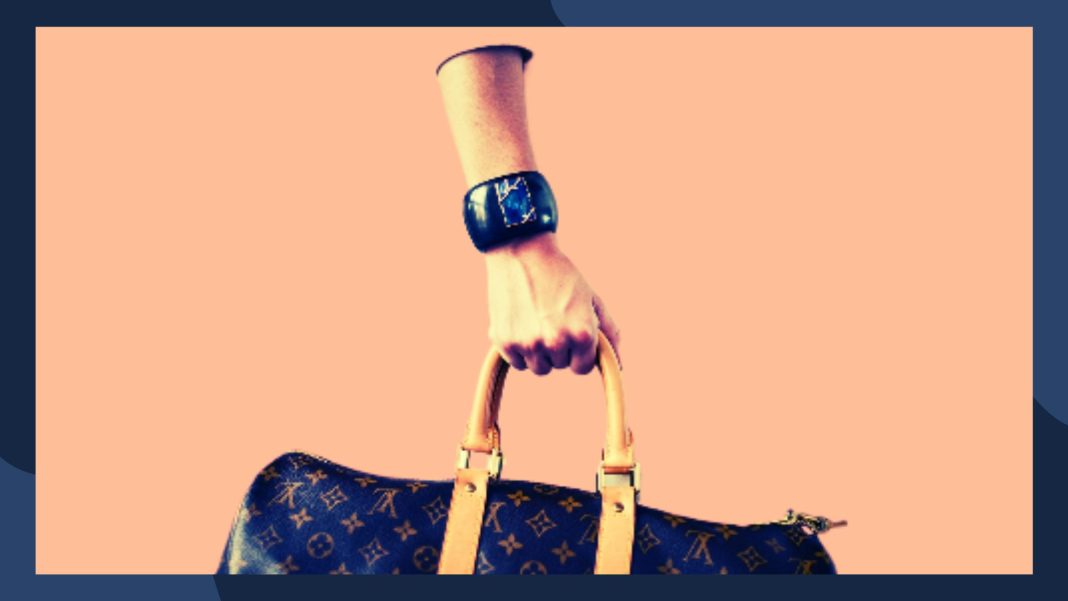
Going into the allure of high-end markets, we’ve gathered sagacities from pros in their respective fields on what propels the luxury sector forward. Like the impact of brand equity driving luxury demand and wealth signals motivating consumers and everything in between, find out the leading factors influencing the appetite for luxury goods and services.
1. Brand Equity Drives Luxury Demand
Brand equity is a major driver of demand for luxury goods and services. It is the perceived value of the brand in the eyes of the consumer. Brands can build brand equity through influential partnerships with celebrities, influencers, and sometimes other brands, such as high-end retailers, or through collaborative lines.
Currently, micro-influencers are gaining more traction for brands online, as they can create more engaging, authentic, and convincing content. Audiences are more likely to resonate with this kind of content over that of larger celebrities and influencers, as they are aware that many of the partnerships with smaller influencers are unpaid and, therefore, more honest and trustworthy.
With my dress rental company, I have found that customer content and using local, smaller influencers get better engagement than content featuring bigger names.


Grace Davies, Owner, Dress Rental NZ
2. Visual Image Influences Opportunity
As a recruiter working in the executive sphere, I think image still matters greatly regarding opportunity. For better or worse, showing up to a job interview in a T-shirt and jeans will never impress as compared to a suit, and at the upper echelon, the brand and price point matter, too.
I’ve noticed well-dressed employees myself—it’s hard not to be influenced by the presence of a Rolex or Hermès tote, even when you know it’s not really indicative of hard work and earned success.
Humans are a visual species, and looking the part goes a long way.
So don’t underestimate how much consumer demand for luxury goods is born of necessity. Sometimes, you must spend money before you land the big paycheck—I’ve seen this strategy work repeatedly. Only when you hit the big time can you let go of the pretense and change into something more comfortable?

Travis Hann, Partner, Pender & Howe
3. Crafting Image Through Luxury
Consumers, especially those with means, are driven to luxury by a desire to craft their image. High-quality, limited-edition goods act as signifiers in this personal narrative. From a classic watch to a sustainable garment, these products project a desired identity: sophisticated, adventurous, or eco-conscious.
Social media fuels this further, allowing people to showcase their luxury choices. By understanding this, we can offer a selection beyond products, providing the building blocks for our customers to tell their stories.

Dhari Alabdulhadi, CTO And Founder, Ubuy Kuwait
4. Exclusivity Boosts Self-Esteem
I strongly believe we all want to feel special and well-treated and to be associated with status and success. Luxury goods and services provide a sense of exclusivity and prestige, which can boost one’s self-esteem and image in the eyes of others.
Plus, luxury companies’ marketing and branding strategies often emphasize the superior quality, craftsmanship, and heritage associated with their products, further enticing consumers to desire them.
Ultimately, the desire for luxury goods and services is often driven by a combination of social factors, individual desires for self-enhancement, and perceptions of status and success.

Tom Molnar, Operations Manager, Fit Design
5. Status Symbolism Fuels Desire
One of the significant drivers of consumer demand for luxury goods and services is the desire for status and social recognition. Many consumers are drawn to luxury products and services because they symbolize wealth, success, and prestige. Owning luxury items or indulging in luxury experiences allows individuals to signal their social status and differentiate themselves from others.
Additionally, luxury brands often invest heavily in marketing and branding strategies that create aspirational lifestyles and cultivate a sense of exclusivity, further fueling consumer desire for their products and services. Ultimately, the pursuit of status and the desire to elevate one’s social standing are powerful motivators that drive consumer demand for luxury goods and services.

Perry Zheng, Founder And CEO, Pallas
6. Economic Conditions Spur Luxury Spending
Poor long-term economic conditions often drive demand for luxury goods and services. The reason for this is quite simple: Someone might know that they will never be able to save enough for a house, but they still have some disposable income. What will they spend it on if long-term savings are not considered attractive?
The answer is often luxury products that provide a nice little treat daily. These could be a more premium version of a food or drink, a high-end restaurant experience, or maybe a fancier version of a hobby. These are affordable and more desirable when longer-term prospects are not necessarily within reach.

Dragos Badea, CEO, Yarooms
7. Social Recognition Drives Luxury Purchases
One significant driver of consumer demand for luxury goods and services is the desire for status and social recognition.
Luxury items often symbolize wealth, prestige, and success, allowing individuals to signal their social standing and differentiate themselves from others. Owning luxury goods can confer a sense of exclusivity and belonging to an elite group, enhancing one’s perceived social identity and self-esteem.
Luxury brands invest heavily in marketing and branding strategies that cultivate aspirational lifestyles and evoke emotional connections with consumers. Through storytelling, experiential marketing, and celebrity endorsements, luxury brands create an aura of desirability and aspiration around their products, enticing consumers to associate themselves with the values and image projected by the brand.

Diana Royanto, Content Writer, Milkwhale
8. Wealth Signals Motivate Consumers
Consumer demand for luxury goods and services is based mostly on status and signals. Luxury items and services carry exclusivity and signal wealth, success, or social status to others who see them. Customers are drawn to aligning themselves with brand value or its lifestyle.
I should add that some people will indeed buy luxury goods for their inherent quality or functionality. Still, the signal is a bonus and explains why people make and sell duplicates of the major brands and why there is a demand even for items that aren’t authentic.
As for services, I’d also argue that people are drawn to luxury because they were raised that way or saw someone who was and always desired more out of their own life.

Bill Rudman, Artistic Director Of The Musical Theater Project, The Musical Theater Project


