



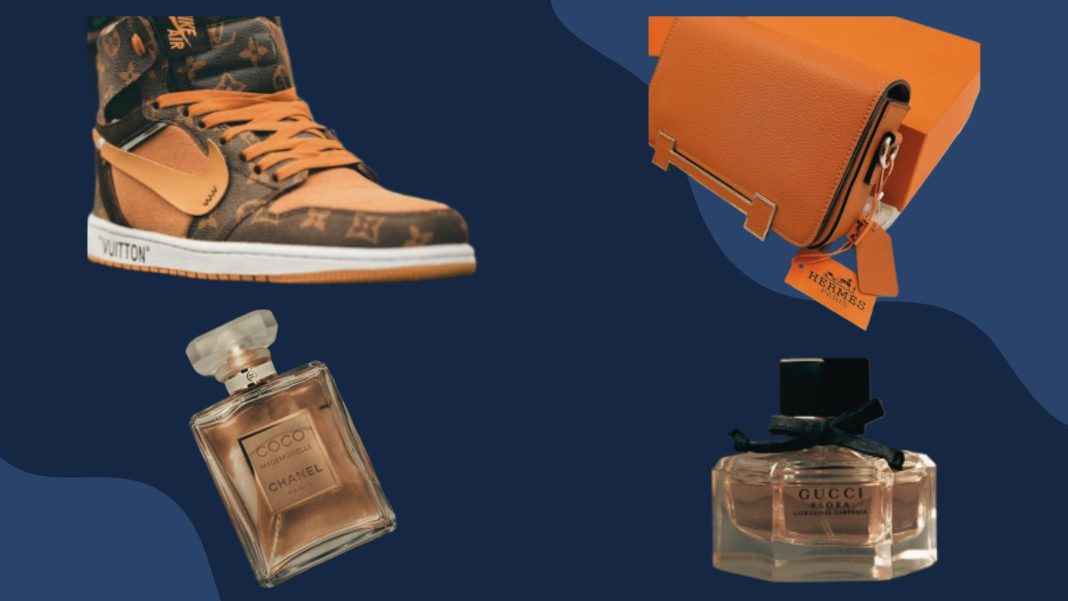
CEOs and Founders are setting their brands apart in the fiercely competitive luxury market. From emphasizing heritage and craftsmanship to committing to exclusivity and quality, we’ve gathered distinct strategies from industry leaders. This expert’s perceptiveness will help you uncover how luxury brands carve their unique niches in the market.
Emphasize Heritage And Craftsmanship
Luxury brands use brand storytelling on a completely different level than non-premium brands. They recognize the power of storytelling to create emotional connections as their main differentiator, and in my experience, they do this in two main ways.
The first and most common focus is on their heritage and legacy. Look at any luxury watch brand’s advertisements, and you’ll see what I mean. They connect themselves to the good old days when things were made with quality and meaning. Luxury brands establish themselves as custodians of timeless elegance and sophistication by emphasizing their roots and long-standing reputation.
The second, and also quite common way, is focusing on craftsmanship and meticulous attention to detail. Artisanal techniques, premium materials, and rigorous standards—separate them from everyone else and justify their premium pricing.


Kate Kandefer, CEO, SEOwind
Leverage High-Quality Talent
One benefit a luxury brand should prudently leverage is high-quality talent. Well-trained and enthusiastic employees provide a bottomless well of ideas and content for engaging marketing programs. The hotel concierge and retail associate at luxury stores are on the front lines and have intimate, first-hand knowledge of customers’ desires.
Creating an infrastructure and incentive for employees to share their stories and identify customer evangelists is essential to success. To ensure the brand is delivering on its promise and to identify satisfied customers, implement a feedback loop via surveys and act on customer insights promptly.

Kent Lewis, Founder, pdxMindShare
Offer Bespoke Customer Experiences
Luxury brands differentiate themselves in competitive markets primarily through the cultivation of exclusivity and exceptional customer service. One effective strategy is offering bespoke experiences tailored to individual customer preferences.
For instance, in the private jet charter industry, we at JetLevel Aviation personalize every aspect of the journey, from onboard dining menus to specific in-flight amenities. We ensure each client’s needs and preferences are meticulously catered to. This level of personalization enhances customer loyalty and sets a brand apart from competitors by turning standard services into unique, memorable experiences.

Fahd Khan, Director Of Marketing And Technology, JetLevel Aviation
Highlight Unique And Rich History
When working with luxury brands, we often emphasize their rich history as a crucial differentiator in a competitive market. A brand’s legacy of craftsmanship and tradition, which has stood the test of time, creates a sense of authenticity and prestige that sets it apart from its competitors.
Focusing on their founding stories and emphasizing their origins and values can establish a deeper connection with consumers and reinforce their credibility. Drawing inspiration from their historical archives to inspire the current brand story allows them to maintain their heritage while staying relevant to contemporary consumers, evoking a sense of timelessness and sophistication.
In today’s world, consumers are becoming more selective with their spending. Brands with a rich heritage should tell that story to their customers to maintain relevance and attract more consumers.

Michael Satterfield, Chief Creative Officer, Satterfield Group
Craft Compelling Brand Narratives
Luxury brands differentiate themselves in competitive markets by focusing on brand storytelling. This strategy involves crafting a compelling narrative that connects the brand’s heritage, craftsmanship, and exclusivity to the consumer’s personal identity or aspirations.
Effective storytelling enhances the brand’s perceived value and distinctiveness and creates emotional engagement with consumers. It fosters loyalty and sets the brand apart in a crowded marketplace.

Nicolas Krauss, Founder And CEO, dasFlow Custom Sublimation Apparel
Utilize Premium Design Principles
The use of premium colors and design. Generally speaking, even a person who has no idea about marketing premium brands will be able to look at the branding of a premium product and think that yes, this is indeed something that is premium, luxury, and expensive. This is because of certain design principles that most luxury brands adhere to when using premium colors, spacing, and design.
Apple is probably the easiest and most accessible example, with its focus on clean, white, and spacious storefronts, but generally speaking, you’ll see the same principles on display at a luxury watchmaker, a premium car dealership, or a high-end clothing boutique. “Less is more” when it comes to establishing a premium brand.

Dragos Badea, CEO, Yarooms
Create Scarcity With Limited Editions
One method they use to implement this strategy is through limited-edition releases. These limited-edition products are often produced in small quantities, making them highly sought after by collectors and enthusiasts. By creating scarcity this way, luxury brands can command premium prices and generate excitement and buzz around their brand.
For example, luxury fashion houses like Louis Vuitton or Chanel frequently release limited-edition handbags or clothing lines. In contrast, luxury watchmakers like Rolex or Patek Philippe produce limited runs of certain timepieces. This exclusivity drives up demand and reinforces the perception of luxury and craftsmanship associated with these brands.

Marc Bromhall, Founder, Dentist Hub
Engage Through Celebrity Partnerships
One of the most impactful methods for luxury brands to elevate their presence and deeply connect with consumers is through collaborations with celebrities and influencers.
When carefully curated with personalities who authentically embody the brand’s values, I’ve seen how these partnerships can extend the brand’s influence to a wider audience while reinforcing its prestige. These collaborations go beyond mere endorsements; they create authentic connections that resonate with consumers personally, inspiring loyalty and admiration.
Witnessing firsthand how such collaborations amplify brand visibility and foster genuine engagement has reinforced my belief in their effectiveness as a strategy for luxury brands aiming to stand out in a competitive market landscape.

Jeffrey Pitrak, Marketing Account Manager, Transient Specialists
Commit To Exclusivity And Quality
Luxury brands distinguish themselves in a fiercely competitive market by meticulously crafting every aspect of their brand experience, leaving no room for shortcuts or compromises.
One strategy they employ is an unwavering commitment to exclusivity and craftsmanship. Luxury brands prioritize quality over quantity, investing considerable time, resources, and expertise into creating their products or services. Whether handcrafted goods, limited-edition releases, or bespoke experiences, they ensure that each offering exudes unparalleled excellence and sophistication. They also cultivate a sense of rarity and prestige by carefully controlling distribution channels and maintaining strict brand standards. This deliberate approach elevates the perceived value of their offerings and fosters an aura of exclusivity that resonates with discerning consumers seeking the epitome of luxury.
By consistently upholding these principles of excellence and exclusivity, luxury brands carve out a distinct niche in the market, setting themselves apart from competitors and solidifying their reputation as icons of sophistication and refinement.


Matt Earle, President, Reputation.ca
Discover the leading drivers of consumer demand in the luxury goods market.


