



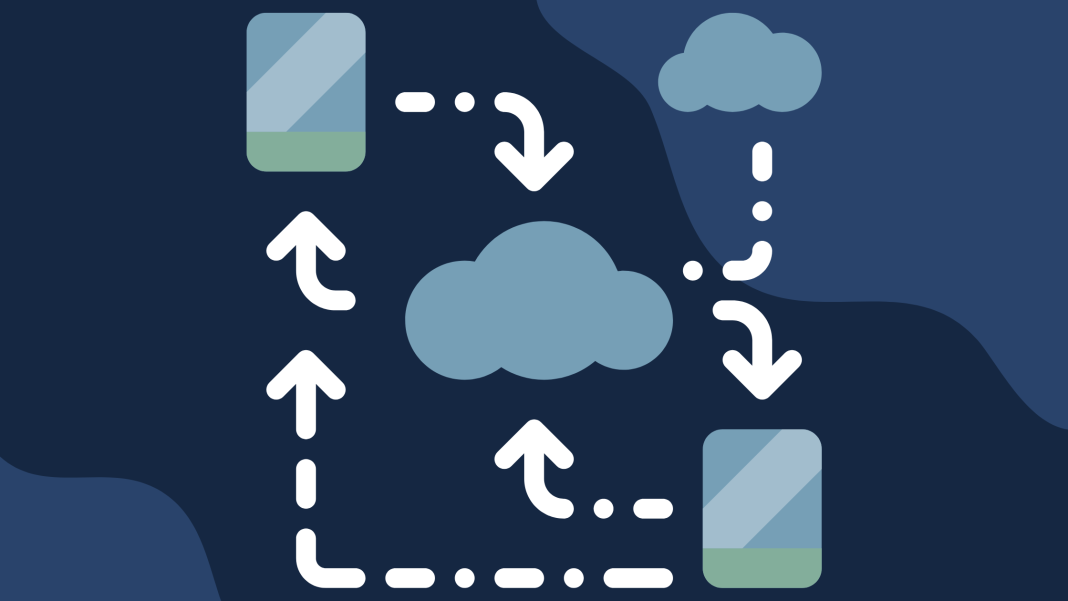
In the dynamic world of technology, where the Internet of Things (IoT) connects everything, the concept of Edge Computing emerges as a game-changer. Edge Computing represents a shift in how data generated by IoT devices is processed and managed. Unlike traditional cloud computing, which centralizes data processing in remote servers, edge computing brings this functionality closer to the source at the network’s edge. This proximity enables real-time analysis, reduces latency, and improves efficiency. As we explore the complexities of IoT, understanding the features and implications of edge computing becomes crucial, as it paves the way for a more responsive, scalable, and interconnected digital ecosystem.
Exploring the synergy between edge computing and the Internet of Things, we sought perspectives from top tech entrepreneurs. From enhancing IoT efficiency to understanding its strategic advantages, here are the two expert views shared by a Founder and CEO on the role of edge computing in the IoT ecosystem.
1. Enhances IoT Efficiency
Edge computing is critical in improving efficiency and response times within the IoT world. This technology refers to processing data closer to where it originates, i.e., at the edge of a network near IoT devices. This proximity considerably shortens latency, which is crucial for autonomous vehicles or real-time medical monitoring equipment requiring rapid response.
The other significant advantage of edge computing in the Internet of Things is that it helps reduce bandwidth problems. The amount of data sent back and forth to the central cloud by IoT devices can be demanding on bandwidth. Edge computing solves this by processing a large amount of data stored locally and sending only what’s necessary to the cloud, thus reducing network load. It also improves security and confidentiality because it processes sensitive information on-site, reducing risks related to data transmission. For instance, in smart cities, edge computing makes it possible to process data generated by traffic sensors and cameras immediately, which results in effective real-time traffic management and public security measures. In conclusion, edge computing is mandatory in the IoT network and responds to latency issues, bandwidth problems, and security challenges; it also allows faster data processing.


Anup Kayastha, Founder, Serpnest
2. Strategic Advantages
Edge computing offers a strategic advantage in optimizing data processing and enhancing efficiency. By decentralizing computational tasks closer to the data source, edge computing mitigates latency issues, accelerates real-time decision-making, and reduces the burden on centralized cloud servers. This enhances system responsiveness, minimizes bandwidth usage, and fosters a more robust and scalable IoT infrastructure.
The synergy between edge computing and IoT is profound, enabling applications ranging from smart cities to industrial automation. Businesses that leverage this symbiotic relationship gain a competitive edge by unlocking the full potential of IoT devices, ushering in a new era of innovation and reliability.

Perry Zheng, Founder and CEO, Pallas
Security Implications
The security aspect becomes a primary focus as the technological environment embraces the decentralized power of edge computing in the Internet of Things (IoT). Edge computing introduces a distributed model where data processing occurs closer to the source, presenting opportunities and challenges in protecting sensitive information. The proximity of processing at the network’s edge, while improving efficiency, requires strong measures to address potential vulnerabilities—security implications in edge computing range from ensuring data integrity and confidentiality to defending against emerging threats.
Edge Computing In Edge AI
The convergence of Edge Computing and Artificial Intelligence (AI) at the network’s periphery, known as Edge AI, represents a significant shift in the ever-changing technology landscape. Edge AI leverages the decentralized processing capabilities of Edge Computing to enable AI algorithms and models to operate closer to the data source, right at the network’s edge. This collaboration addresses the limitations of relying solely on cloud-based AI, such as latency issues and bandwidth constraints. The role of Edge Computing in Edge AI is crucial as it facilitates real-time, context-aware decision-making by processing data near the IoT devices that generate it.
Organizations can leverage machine learning algorithms by deploying AI models at the edge without sending large amounts of raw data to remote cloud servers. This approach reduces latency and enhances privacy by keeping sensitive information localized. The Edge AI paradigm finds applications in various domains, including smart homes, autonomous vehicles, and industrial automation. Its impact goes beyond efficiency gains, as it democratizes AI and makes intelligent processing accessible in scenarios where instant insights are essential. As we delve further into the relationship between Edge Computing and Edge AI, the potential for innovative applications and enhanced capabilities becomes increasingly apparent, ushering in a new era of intelligent and distributed computing.
Trends And Innovations
The future of Edge Computing in the Internet of Things (IoT) presents many exciting possibilities and groundbreaking advancements. As technology evolves, one significant trend that stands out is the expansion and refinement of edge services. With the integration of 5G networks, edge devices are empowered with unparalleled bandwidth and connectivity, leading to faster data transmission and the potential for more immersive user experiences and applications.
Another critical trend reshaping is the combination of Computing and AI; we can expect a profound transformation in predictive analytics, real-time decision-making, and the development of autonomous systems. This convergence of edge services and AI is a passing trend and a path towards a more intelligent and responsive IoT ecosystem.
The future outlook also heavily relies on the continuous advancement of security protocols. As interconnected devices proliferate, strengthening cybersecurity measures becomes imperative. By incorporating decentralized security frameworks and blockchain technologies, the resilience of edge computing against ever-evolving cyber threats can be enhanced, ensuring the confidentiality and integrity of data in distributed environments.
Additionally, the democratization of edge computing presents an intriguing path forward. As this technology matures, smaller businesses and individual developers are gaining greater access to edge resources, fostering a more inclusive and diverse landscape of applications. This shift has the potential to ignite a surge of innovation as a broader range of perspectives contribute to the development of edge-centric solutions.
Amidst these dynamic trends and innovations, the future of Edge Computing in IoT emerges as an ongoing journey. Each innovation amplifies the ecosystem’s capabilities and propels us toward a more interconnected, intelligent, and responsive digital era.
The Edge In IoT
The significance of Edge Computing in IoT extends beyond process optimization; it is about creating a landscape where data transforms into actionable intelligence at the network’s edge, the challenges we encounter become opportunities, and the innovations can ensure that the IoT ecosystem flourishes through its ability to adapt, learn, and evolve.


