



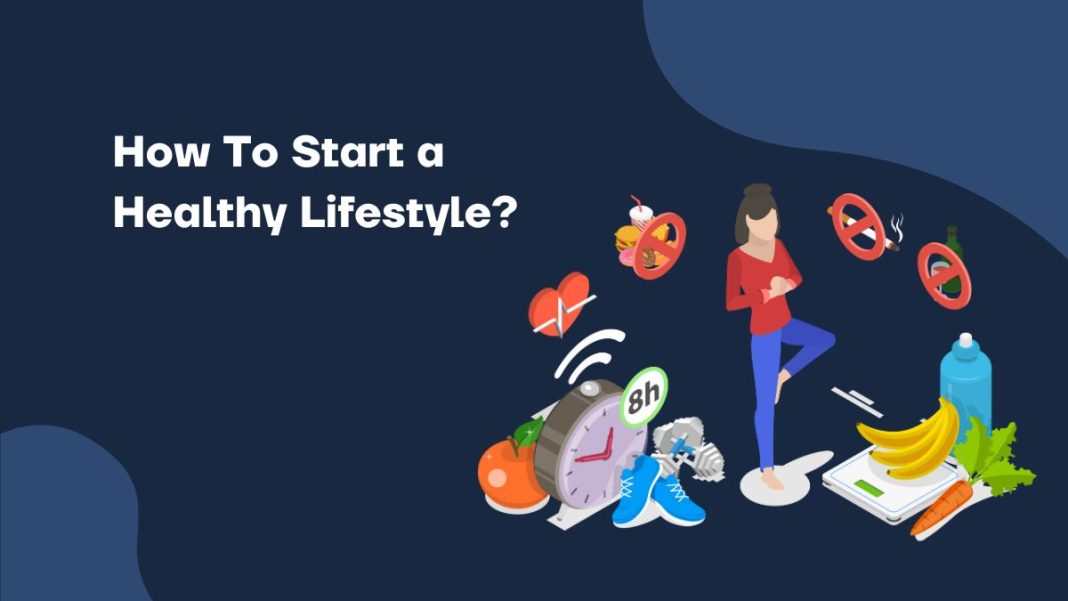
Embarking on a journey towards a healthier lifestyle is a decision that can transform your life. Whether you want to improve your physical fitness, adopt better eating habits, or enhance your mental well-being, we will provide actionable steps to kickstart your journey toward a healthier you.
Set Clear Goals
Setting clear and achievable goals is the foundation of a successful journey towards a healthier lifestyle. When you establish specific objectives, you provide a roadmap and a clear direction. Whether your goals are related to weight loss, improved fitness, increased energy levels, or enhanced mental well-being, having a well-defined target helps keep you motivated and focused.
Define Your Objectives
Take the time to reflect on what you truly want to achieve through your healthy lifestyle journey. Are you aiming to shed a few pounds, run a marathon, lower your stress, or feel more energized? By understanding your objectives, you can tailor your efforts accordingly.
Make Them Specific And Measurable
Avoid vague goals like “getting healthier” or “eating better.” Instead, make your goals specific and measurable. For instance, aim to lose a certain amount of weight, run a particular distance, or incorporate a certain number of fruits and vegetables into your daily meals.
Set Realistic Expectations
While ambition is admirable, setting realistic goals is crucial. Consider your current fitness level, daily routine, and any potential limitations. Unrealistic goals can lead to frustration and demotivation if they’re not achievable within a reasonable timeframe.
Break Down Your Goals
Dividing your larger goals into smaller, manageable steps can make the journey less overwhelming. For example, if you aim to run a 10k race, start by jogging for a specific distance and gradually increasing it.
Set a Timeline
Determine a timeframe within which you aim to achieve your goals. This creates a sense of urgency and accountability, preventing you from procrastinating or losing sight of your objectives.
Visualize Success
Imagine how achieving your goals will positively impact your life. Visualizing your success can enhance motivation and help you stay committed to your healthy lifestyle.
Write Them Down
Putting your goals in writing solidifies your commitment. You can keep them in a journal, on your phone, or in a visible spot to constantly remind you what you’re working towards.
Setting clear and well-defined goals provides a sense of purpose and helps you track your progress and celebrate your achievements. Remember, your journey is unique, and your goals should reflect your aspirations and desires for a healthier you.
Stay Active And Engage In Regular Exercise


Incorporating regular physical activity into your daily routine is a cornerstone of a healthy lifestyle. Exercise improves your physical fitness and enhances your mental well-being and overall quality of life. Finding enjoyable activities and staying consistent with your exercise routine can be a game changer on your journey to a healthier you.
Choose Activities You Enjoy
The key to sticking with an exercise regimen is to engage in activities you genuinely enjoy. Whether dancing, cycling, swimming, hiking, or practicing yoga, finding something that brings you joy will make working out feel less like a chore and more like a fulfilling hobby.
Find a Workout Buddy
Exercising with a friend or partner can make the experience more enjoyable and hold you accountable. Having a workout buddy provides companionship, motivation, and an extra layer of support.
Start Slowly
If you’re new to exercise, or it’s been a while since you’ve been active, start slowly to prevent burnout or injury. Gradually increase your workouts’ intensity, duration, and frequency as your fitness level improves.
Mix It Up
Variety is vital to preventing boredom and plateauing. To work different muscle groups and maintain a well-rounded fitness routine, incorporate aerobic exercises, strength training, and flexibility activities.
Schedule Regular Workouts
Treat your exercise sessions like appointments that you can’t miss. Consistency is crucial for reaping the benefits of physical activity. Aim for at least 150 minutes of moderate-intensity aerobic activity or 75 minutes of vigorous-intensity aerobic exercise per week.
Listen To Your Body
Pay attention to how your body responds to exercise. If you’re feeling fatigued or experiencing pain, adequate rest and recovery time are essential to avoid overexertion.
Set Achievable Goals
Similar to setting overall lifestyle goals, establish exercise goals that are attainable and measurable. Whether completing a certain number of push-ups or running a specific distance, reaching these milestones boosts your confidence and motivates you to continue pushing yourself.
Regular physical activity has numerous benefits, including improved cardiovascular health, increased muscle strength, reduced stress, and enhanced mood. Remember that there’s no one-size-fits-all approach to exercise. It’s about finding what works best for you and incorporating activities that align with your preferences and fitness level. By prioritizing movement and making it a part of your daily routine, you’re taking a significant step towards achieving your healthier lifestyle goals.
Prioritize Sleep And Stress Management
In the hustle and bustle of modern life, maintaining a healthy lifestyle goes beyond just diet and exercise; it also involves getting adequate rest and managing stress effectively. Sleep and stress are interconnected aspects that can significantly impact your overall well-being. Here’s how you can prioritize both for a balanced and healthier life.
- Quality Sleep Matters: Sleep is a vital component of good health. Aim for 7-9 hours of quality sleep each night. Create an excellent sleeping environment by keeping your bedroom dark, quiet, and comfortable. Establish a consistent sleep schedule by going to bed and waking up at the exact times daily.
- Practice Stress Reduction Techniques: Chronic stress can affect physical and mental health. Use stress reduction techniques like deep breathing, meditation, yoga, or mindfulness. These practices can help lower stress hormones and promote relaxation.
- Limit Screen Time Before Bed: Screens emit blue light that can interfere with sleep patterns. Avoid electronic devices at least an hour before bedtime to let your body wind down naturally.
- Create a Relaxing Bedtime Routine: Develop a calming bedtime routine to signal your body that it’s time to sleep. This could include reading a book, taking a warm bath, or practicing gentle stretches.
- Manage Your Stressors: Identify sources of stress in your life and find healthy ways to manage them. This might involve setting boundaries, seeking social support, or seeking professional help.
- Practice Mindfulness: It involves being fully present and accepting the moment without judgment. Mindfulness exercises can help you manage stress and improve your overall mental well-being.
- Regular Physical Activity: As mentioned earlier, regular exercise can positively impact stress levels. Engaging in physical activity releases endorphins, which are natural mood lifters.
- Get Organized: Disorganization can lead to unnecessary stress. Simplify your life by decluttering your physical space, creating to-do lists, and prioritizing tasks.
- Practice Gratitude: Cultivate a sense of gratitude by acknowledging and appreciating the positive aspects of your life. This practice can help shift your focus away from stressors and enhance your overall outlook.
- Learn To Say No: Overcommitting yourself can contribute to stress. Learn to set boundaries and say no to tasks or activities that may overwhelm you.
Prioritizing sleep and managing stress are essential components of a healthy lifestyle. Incorporating these practices into your daily routine can improve mental clarity, enhance mood, increase energy levels, and better overall health. Remember that small changes in your habits can significantly affect how you feel and function throughout the day.
Stay Hydrated

Maintaining proper hydration is a fundamental aspect of a healthy lifestyle. Water is essential for various bodily functions, including digestion, circulation, temperature regulation, and waste elimination. Here’s how to ensure you’re staying adequately hydrated for optimal well-being.
Understand Your Body’s Needs
The water you need can vary based on age, activity level, climate, and overall health. Aim to drink enough water to quench your thirst and keep your urine pale yellow.
Start Your Day With Water
Start your day by drinking water. This will kickstart your metabolism and help your body rehydrate after a night’s sleep.
Carry a Reusable Water Bottle
Keep a reusable water bottle with you throughout the day. This will remind you to drink water regularly, and you can refill it as needed.
Set Hydration Goals
Set a goal for the amount of water you want to drink daily. This can help you track your intake and ensure you’re meeting your hydration needs.
Infuse Your Water
If plain water isn’t your favorite, add a slice of lemon, cucumber, or a few berries to enhance the flavor. Herbal teas and infused water can also be hydrating alternatives.
Hydrate Before, During, And After Exercise
When you’re physically active, your body loses water through sweat. Drink water before, during, and after exercise to stay properly hydrated.
Listen To Your Body
Thirst is your body’s signaling that it needs hydration. Please don’t ignore it; drink water whenever you feel thirsty.
Monitor Urine Color
Pay attention to the color of your urine. Pale yellow urine indicates proper hydration, while darker urine may suggest dehydration.
Be Mindful Of Alcohol And Caffeine
Alcoholic and caffeinated beverages can contribute to dehydration. If you consume these drinks, balance your intake with water.
Eat Hydrating Foods
Incorporate foods with high water content into your diet, such as fruits (watermelon, cucumber, oranges) and vegetables (lettuce, celery, tomatoes).
Hydrate In Hot Weather
In warmer climates or during hot weather, your body loses more water through sweat. Be extra mindful of staying hydrated in these conditions.
Hydrate During Illness
Illnesses like fever, vomiting, or diarrhea can lead to dehydration. Increase your fluid intake when unwell to support your body’s recovery.
Staying hydrated is crucial for maintaining your body’s overall function. Dehydration can lead to fatigue, headaches, and reduced cognitive function. By consciously drinking enough water throughout the day, you support your health and well-being from the inside out.
12 Ways To Build a Supportive Community
Embarking on a healthy lifestyle journey becomes even more effective and enjoyable when you have a supportive community. Surrounding yourself with like-minded individuals who share your goals can provide motivation, accountability, and a sense of belonging. Here’s how to build and nurture a supportive community as you work towards a healthier lifestyle:
- Share Your Goals: Communicate your health and wellness goals with friends, family, or colleagues who are supportive. Sharing your aspirations creates a sense of accountability and encouragement.
- Join Fitness Classes or Clubs: Participating in fitness classes, sports clubs, or group activities allows you to connect with people who share your interests. You’ll make new friends who can inspire and motivate you.
- Utilize Social Media: Online platforms offer various health and fitness communities where you can find inspiration, advice, and encouragement. Follow fitness influencers, join relevant groups, and share your progress.
- Attend Wellness Workshops And Events: Look for workshops, seminars, or events focused on health and wellness in your local area. These gatherings provide opportunities to connect with individuals who prioritize well-being.
- Engage In Charity Walks or Runs: Participating in charity walks, runs, or other events for a cause you care about can introduce you to people who share your values and goals.
- Create Healthy Challenges: Organize friendly fitness or wellness challenges among your friends or colleagues. These challenges can foster camaraderie while keeping everyone motivated.
- Celebrate Achievements Together: Whether you reach a weight loss milestone or complete a fitness goal, celebrate your achievements with your community. Sharing successes reinforces positive behavior.
- Offer And Seek Support: Be willing to encourage and support others in your community. In turn, don’t hesitate to seek assistance when you need it.
- Attend Meetups: Many cities offer health and wellness meetups where individuals gather to share experiences, learn from one another, and motivate each other.
- Share Recipes And Tips: Exchange healthy recipes, meal prep ideas, and wellness tips with your community. This can spark creativity and introduce you to new ways of nourishing your body.
- Attend Wellness Retreats: Consider participating in wellness retreats or workshops where you can immerse yourself in a positive and supportive environment.
- Stay Open To New Connections: Be open to forming new friendships with people with similar values and aspirations, even outside your circle.
A solid and supportive community can make your journey to a healthy lifestyle more enjoyable and sustainable. The shared experiences, encouragement, and mutual inspiration will empower you to overcome challenges and progress towards your goals. Building these connections benefits your physical health and contributes to your overall well-being.
Embrace Consistency And Patience
Achieving a healthy lifestyle is a journey that requires consistency and patience. While it’s natural to desire quick results, lasting changes take time to manifest. Embracing these qualities can make your progress more sustainable and rewarding. Here’s how consistency and patience are vital in adopting a healthier way of life:
Set Realistic Expectations
Understand that transformation doesn’t happen overnight. Establish achievable goals and acknowledge that progress may be gradual.
Create Sustainable Habits
Focus on building healthy habits you can maintain over the long term. Consistency in your actions will yield more substantial and lasting results.
Avoid Extreme Measures
Extreme diets, intense workouts, or drastic changes can lead to burnout or rebound. Instead, opt for gradual and sustainable changes that fit into your lifestyle.
Track Your Progress
Record your accomplishments, no matter how small, to keep track of your journey. This can help you see how far you’ve come and stay motivated.
Celebrate Small Wins
Acknowledge and celebrate each achievement along the way. These moments of success will keep you motivated and encouraged.
Accept Setbacks
Understand that setbacks are a natural part of any journey. If you experience a setback, consider it a learning opportunity and continue moving forward.
Focus On The Process
Shift your attention from immediate outcomes to the process. Embrace the daily actions you’re taking to improve your health.
Practice Mindfulness
Incorporate mindfulness techniques to stay present and focused. This can help you appreciate each step of your journey and reduce impatience.
Cultivate Patience
Developing patience is crucial for long-term success. Remind yourself that results will come with time and consistent effort.
Avoid Comparison
Avoid comparing your progress to others; this can lead to frustration. Your journey is unique, and progress varies from person to person.
Adapt And Adjust
Be open to adjusting your approach as needed. Your body and circumstances may change, requiring flexibility in your strategy.
Seek Professional Guidance
If you are unsure about your approach, consider consulting health professionals. They can provide personalized advice and help you set realistic expectations.
Reflect On Your Journey
Take time to reflect on your progress periodically. Meditating allows you to see how your consistent efforts have led to positive changes.
Visualize Long-Term Goals
Keep your long-term goals in mind as you stay consistent. Visualizing the healthier lifestyle you’re working towards can be a powerful motivator.
Celebrate Milestones
When you reach significant milestones, celebrate your achievements. This boosts your confidence and reminds you of the progress you’ve made.
Embrace The Process
Please recognize that the journey itself is a valuable experience. Embracing the process of growth and improvement can be incredibly fulfilling.
Embracing consistency and patience transforms your healthy lifestyle journey from a sprint to a steady, rewarding marathon. By focusing on sustainable habits, celebrating small wins, and giving yourself the needed time, you’ll be well on your way to achieving lasting health and wellness.
Your Journey To a Healthy Lifestyle
Your journey toward a healthier lifestyle is an empowering decision that can positively impact your well-being in numerous ways. You’re taking essential steps toward achieving your health and wellness goals by setting clear goals, prioritizing balanced nutrition, staying active, managing stress, and building a supportive community. Embrace this journey with enthusiasm and the understanding that every small effort contributes to your overall well-being.


