



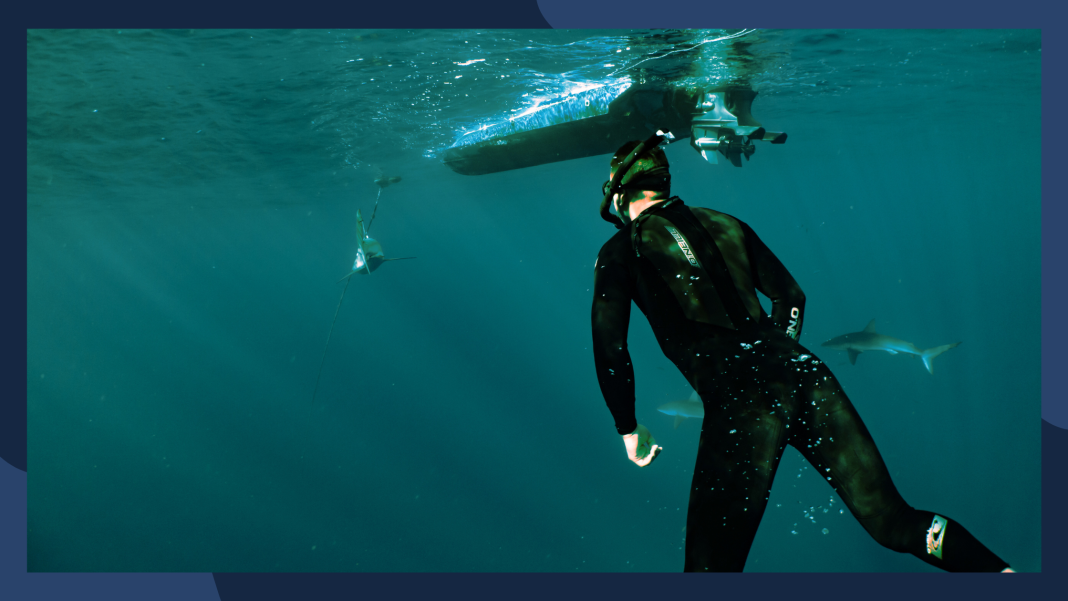
Oceanography is the scientific study of the oceans, comprising 71% of the Earth’s surface. It is a multidisciplinary field that combines elements of biology, chemistry, geology, and physics to understand the complex systems in our oceans.
Importance Of Studying The Oceans
Studying the oceans is essential for a variety of reasons. First and foremost, the oceans are vital to sustaining life on Earth. They regulate our climate, produce most of the world’s oxygen, and provide many resources, including food, energy, and minerals; the oceans also support diverse ecosystems, some of which are still largely unexplored. By studying the oceans, we can gain valuable insights into the processes that shape our planet and the numerous organisms that call it home.
Overview Of Oceanography as a Field
Oceanography is a vast and diverse field that consists of several sub-disciplines. Physical oceanography focuses on the physical properties of the oceans, such as currents, waves, and tides. Chemical oceanography studies the composition and properties of seawater, including its dissolved gases and nutrients. Biological oceanography, from microscopic organisms to large marine mammals, investigates marine life and ecosystems. Geological oceanography delves into the geologic processes and features of the ocean floor. By combining knowledge from these different sub-disciplines, oceanographers can better understand the oceans and their intricate interconnectedness.
Formation And Composition Of the Deep Sea
Origin Of The Oceans
The origin of the oceans is a complex topic that scientists are still trying to understand fully. One prevailing theory is that water was brought to Earth by icy comets or meteorites. As these celestial bodies collided with the young planet, they deposited vast amounts of water. Over millions of years, this water accumulated in depressions on the Earth’s surface, forming the early oceans.
Layers Of The Ocean
The ocean can be divided into several layers based on temperature and depth. The surface layer, or epipelagic zone, extends from the ocean’s surface to around 200 meters. This is the layer where most sunlight penetrates and supports photosynthetic organisms. Below the surface layer is the mesopelagic zone, which extends to a depth of around 1,000 meters. This zone is characterized by reduced sunlight and cooler temperatures. The bathypelagic area, rising from 1,000 to 4,000 meters, is perpetually dark and experiences extreme pressures. The abyssopelagic area extends from 4,000 to 6,000 meters, and the hadalpelagic area represents the deepest parts of the ocean where trenches and canyons are found.
Characteristics Of The Deep Sea
The deep sea, which comprises the bathypelagic, abyssopelagic, and hadalpelagic zones, is a unique and mysterious environment. High pressures, low temperatures, and complete darkness characterize it. The lack of sunlight leads to a scarcity of photosynthetic organisms, and most life in the deep sea relies on chemosynthetic processes or preys upon other organisms for survival. Many deep-sea organisms have unique adaptations to survive in these extreme conditions, such as bioluminescence and the ability to withstand immense pressure.
Exploring The Deep Sea
Brief History Of Deep-Sea Exploration
Humans have been fascinated by the ocean since ancient times, but deep-sea exploration truly began in the 19th century. In the late 1800s, the HMS Challenger conducted the first significant deep-sea expedition. This groundbreaking expedition laid the foundation for modern oceanography and greatly expanded our knowledge of the deep sea. Since then, numerous trips and technological developments have allowed scientists to explore even the ocean’s most remote and uncharted parts.
Methods And Technologies Used
Deep-sea exploration combines methods and technologies to investigate the oceans’ depths. Sonar, or sound navigation and ranging, maps the seafloor and detects underwater objects. Remotely Operated Vehicles (ROVs) and Autonomous Underwater Vehicles (AUVs) equipped with cameras and sampling tools allow scientists to observe and collect samples from the deep sea without human divers. Other technologies, such as deep-sea drilling and submersibles, have also contributed to our understanding of the deep sea.
Challenges Faced In Exploring The Deep Sea
Exploring the deep sea poses numerous challenges and risks. Extreme pressure and harsh conditions create a hostile environment for humans and technology. The vastness and depth of the ocean make it logistically challenging to reach and study remote areas, and the fragility of deep-sea ecosystems makes it crucial to minimize any potential disturbance during exploration. However, despite these challenges, scientists and researchers continuously push the boundaries of knowledge and make remarkable discoveries in the deep sea.
Life In The Deep Sea

Extreme Conditions And Adaptations
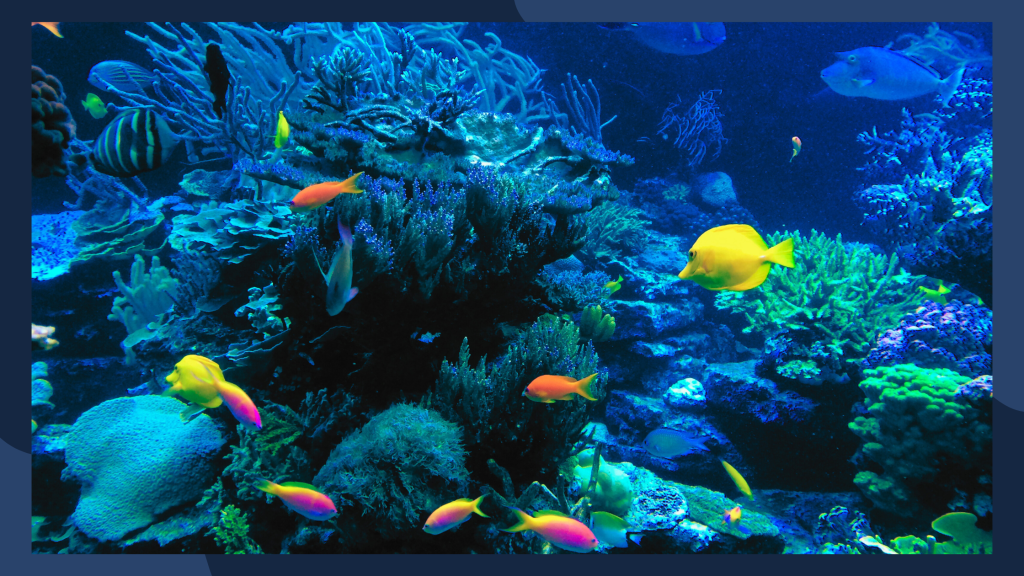
Life in the deep sea is characterized by extreme conditions that test the limits of survival. Organisms must withstand immense pressure, near-freezing temperatures, and complete darkness. To cope with these challenges, they have evolved fascinating adaptations. For example, some species have bioluminescent organs that produce light to attract prey or communicate with others in the darkness. Others have specialized pigments that protect them from harmful ultraviolet radiation. Some deep-sea fish have elongated jaws and expandable stomachs, allowing them to consume prey larger than themselves in the scarce food environment.
Biodiversity And Ecosystems
Contrary to popular perception, the deep sea is teeming with life and exhibits remarkable biodiversity. It is home to many organisms, from microbes and plankton to deep-sea fish and invertebrates. Complex ecosystems are formed around hydrothermal vents and cold seeps, where chemosynthetic bacteria provide the foundation for unique food chains. The interconnectedness of these deep-sea ecosystems is still being unraveled as discoveries continue.
Notable Deep-Sea Species
The deep sea is home to numerous fascinating and elusive species. One example is the anglerfish, known for its bioluminescent lure that dangles in front of its mouth to attract prey in the darkness. Another notable species is the giant squid, a legendary creature that can reach lengths up to 43 feet. Other deep-sea wonders include the vampire squid, which possesses a cloak-like web of tentacles, and the yeti crab, which grows hairs on its claws that harbor bacteria for nourishment.
Physical Processes In The Deep Sea
Deep-Sea Currents And Circulation
Deep-sea currents play a crucial role in the global movement of heat and nutrients. Thermohaline currents, also known as the ocean conveyor belt, are driven by differences in temperature and salinity. These currents circulate cold, nutrient-rich waters from the deep sea to the surface, fueling productivity and supporting marine life. Upwelling winds bring nutrient-rich waters to the surface, benefiting coastal ecosystems and fisheries.
Temperature And Pressure Variations
Temperature and pressure in the deep sea vary significantly with depth. As you descend into the depths, the temperature decreases due to the absence of sunlight and the mixing of cold waters from the poles. Pressure increases exponentially with depth, reaching immense levels in the hadalpelagic zone. These variations in temperature and pressure shape the habitats and distributions of deep-sea organisms.
Seafloor Topography And Features
The deep sea’s seafloor is a dynamic landscape characterized by various features. Abyssal plains, vast flat areas covered in fine sediment, comprise a significant portion of the seafloor. Volcanic seamounts and underwater mountains add topographic diversity to the seafloor. Trenches, such as the Mariana Trench, represent the deepest parts of the ocean and are formed by the collision of tectonic plates. These seafloor features provide essential habitats for a wide range of deep-sea species.
Chemical And Geological Processes In The Deep Sea
Chemical Composition Of Seawater
Seawater is a complex mixture of dissolved gases, ions, and organic compounds. It plays a fundamental role in various chemical and biological processes in the ocean. Salinity, a measure of the salt content in seawater, varies globally due to factors such as evaporation, precipitation, and freshwater inputs from rivers. The chemical composition of seawater influences nutrient availability, pH levels, and the growth of marine organisms.
Hydrothermal Vents And Their Impact
Hydrothermal vents are cracks in the seafloor where hot, mineral-rich fluids gush out, creating unique ecosystems. These extreme environments support a diverse range of organisms that thrive on the chemical compounds emitted from the vents. The discovery of hydrothermal vents in the late 1970s revolutionized our understanding of life on Earth, as they revealed that organisms can survive and thrive without sunlight.
Sedimentation And Deposition
Sedimentation and deposition are ongoing geological processes that shape the seafloor. Clay, silt, and sand sediments accumulate over time and form layers. These sediments can originate from various sources, including land erosion, volcanic activity, and the remains of marine organisms. The deposition of sediments on the seafloor reveals a record of Earth’s history and provides habitats for benthic organisms.
Impacts And Threats To The Deep Sea
Human Activities And Pollution
Human activities have had profound impacts on the deep sea. Pollution, such as oil spills and plastic waste, can devastate marine life and ecosystems. Deep-sea mining, although still in its early stages, raises concerns about habitat destruction and potentially releasing harmful chemicals. The dumping of industrial waste and the discharge of untreated sewage in coastal areas can also negatively impact the deep sea.
Overfishing And Destructive Fishing Practices
Overfishing and destructive fishing practices pose a significant threat to deep-sea ecosystems. Deep-sea species’ slow growth and low reproductive rates make them particularly vulnerable to overexploitation. Bottom trawling, a fishing method that involves dragging heavy nets along the seafloor, can cause extensive damage to deep-sea habitats, including the destruction of cold-water corals and the disruption of fragile ecosystems.
Climate Change And Ocean Acidification
Climate change and ocean acidification have far-reaching consequences for the deep sea. Rising sea temperatures can disrupt the delicate balance of deep-sea ecosystems, leading to species migrations and biodiversity loss. Additionally, the increasing absorption of carbon dioxide by the oceans leads to ocean acidification, which can harm calcifying organisms, such as corals and shellfish. These changes in the deep sea can have cascading effects throughout the ocean system.
Deep-Sea Research And Conservation
Current Research Areas In Oceanography
Research in oceanography is constantly evolving, driven by discoveries and technological developments. Current research areas include the study of deep-sea biodiversity, understanding the impacts of climate change on deep-sea ecosystems, exploring the potential for undiscovered species and resources, and investigating the role of the deep sea in carbon sequestration. Integrating satellite data, remote sensing, and advanced modeling techniques allows for a more comprehensive and accurate understanding of the deep sea.
Initiatives For Deep-Sea Conservation
Recognizing the importance of the deep sea, numerous initiatives and organizations are dedicated to its conservation. Efforts are being made to establish marine protected areas in the deep sea, where certain activities are restricted to preserve fragile ecosystems and biodiversity. Conservation measures often focus on reducing destructive fishing practices, promoting sustainable management of deep-sea resources, and raising awareness about the need for deep-sea protection among policymakers and the general public.
International Collaborations And Regulations
Conserving the deep sea requires international cooperation and collaboration. Various international agreements, such as the United Nations Convention on the Law of the Sea, have established frameworks for the sustainable management of the world’s oceans. International research collaborations, such as the Ocean Exploration and Research program, bring together scientists from different countries to share knowledge, data, and resources. These collaborative efforts are essential for effectively protecting and managing the deep sea.
Future Perspectives In Oceanography
Advancements In Technology And Data Collection
Advancements in technology continue to revolutionize the field of oceanography. From cutting-edge underwater robotics to sophisticated satellite systems, these tools enable scientists to collect data more efficiently and accurately. Autonomous underwater vehicles equipped with advanced sensors can explore remote areas of the deep sea, capturing high-resolution images and collecting data on physical and chemical properties. Additionally, advancements in DNA sequencing techniques are enhancing our ability to understand and classify deep-sea biodiversity.
Potential For Undiscovered Species And Resources
Despite significant progress in deep-sea exploration, much of the deep sea remains unexplored. Scientists estimate that only a tiny fraction of deep-sea species have been discovered, leaving the potential for many more exciting discoveries. Additionally, the deep sea holds vast mineral and energy resources, such as polymetallic nodules and methane hydrates. Balancing the drive for resource extraction with responsible and sustainable practices remains challenging for future oceanographers.
Role Of Oceanography In Understanding Climate Change
Oceanography is crucial in understanding climate change and its impacts on the oceans. Oceanographers can assess the oceans’ health and ability to absorb and sequester carbon by monitoring changes in temperature, salinity, and carbon dioxide levels. They also study the interactions between the ocean and the atmosphere, such as ocean-atmosphere heat exchange and the formation of climate-altering phenomena like El Niño. Understanding these processes is vital for predicting future climate scenarios and implementing effective mitigation and adaptation strategies.
Conclusion
As our knowledge of the deep sea expands, so does our responsibility to protect and conserve this fragile and invaluable environment. By investing in research, promoting sustainable practices, and raising awareness, we can ensure that future generations can continue to explore, appreciate, and benefit from the wonders of the deep sea. So, let’s protect our deep sea and strive for a sustainable future for our oceans.


