



From unexpected moments to unscripted drama, Reality TV has undeniably transformed how audiences consume television. Explore how reality TV transforms modern television and concludes with how it enhances viewer engagement. Read on to find out reality TV’s fascinating impact on today’s viewing habits.
1. Reality TV Transforms Modern Television
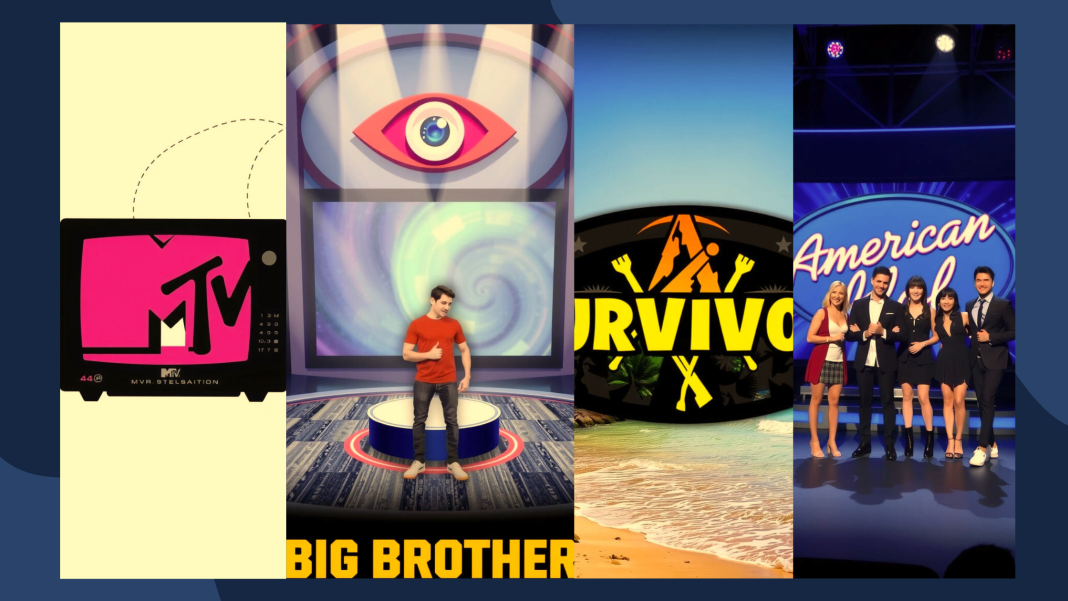
Reality TV has profoundly transformed the modern TV industry since its emergence in the early 1990s. Shows like MTV’s “The Real World” laid the groundwork for unscripted programming that captivated audiences with raw, genuine moments. This innovative approach demonstrated the potential for reality-based content to draw viewers without traditional narratives.
The genre gained massive popularity in the early 2000s with the debut of shows like “Survivor” and “American Idol.” These programs introduced new elements such as competition and audience participation, further engaging viewers and creating a sense of investment in the outcomes. The success of these formats led to a proliferation of reality shows across networks and cable channels.
Reality TV has also reshaped celebrity culture and audience expectations. Shows like “Keeping Up with the Kardashians” and “The Osbournes” blurred the lines between public and private life, creating a new breed of celebrity and influencing how people engage with media personalities. This shift has had far-reaching effects on social media, influencer culture, and personal branding.
The genre’s impact extends beyond entertainment, influencing societal norms and behaviors. Reality TV has become a cultural mirror, reflecting and sometimes amplifying our values, aspirations, and insecurities. This phenomenon has sparked debates about authenticity, representation, and the ethical implications of turning real lives into entertainment.
As reality TV evolved, it became more formulaic, often relying on stereotypes and manufactured drama. However, the rise of streaming platforms has reinvigorated the genre, leading to innovative formats and more diverse content. Streaming has opened up new possibilities for reality TV, allowing for more niche and experimental shows that cater to specific audiences.
The global expansion of reality TV formats has further solidified the genre’s place in the television industry. Shows like Big Brother and The Voice have been adapted for numerous countries, demonstrating the genre’s versatility and cross-cultural appeal. What started as a trend has become an integral part of our media ecosystem, influencing everything from consuming content to perceiving reality.


Sally Johnson, Owner, Green Light Booking, LLC
2. Reality TV Influences Production Styles
Reality TV has completely changed how we watch and think about television. It introduced low-cost, high-return programming that’s simple to produce but grabs huge audiences. I’ve noticed how its unscripted nature influenced production styles, like how live-streamed software demos and walkthroughs now mimic that raw, unpolished feel. This keeps audiences engaged because it feels authentic.
For example, when I helped design an app for streaming, clients requested features to support interactivity, like voting or live polls—something directly borrowed from reality TV formats. It’s clear that storytelling approaches, audience engagement, and even tech features now reflect reality TV’s influence. Content creators in all fields can learn from their ability to connect emotionally while staying cost-effective.

Elisa Branda, Founder & CEO, NuvolediBellezza
3. Shark Tank Redefines Engagement
Reality TV has profoundly transformed the television industry by blending authenticity, drama, and audience connection in a way that scripted shows rarely achieve. I remember watching “Shark Tank” for the first time and being captivated by its showcase of real entrepreneurs pitching their ideas. As a business owner, it was inspiring to see raw, unscripted moments of ambition, negotiation, and even failure, which made the stories feel deeply relatable.
Reality TV has made viewers feel part of the action, whether rooting for a favorite contestant or debating decisions on social media. It has also shifted industry priorities, encouraging networks to produce content that reflects real-world struggles and triumphs while being cost-effective to create. Love it or hate it, reality TV has redefined engagement and opened doors for fresh, innovative storytelling.


Aseem Jha, Founder, Legal Consulting Pro
4. Reality TV Democratizes Stardom
Reality TV has dramatically reshaped the modern television landscape by introducing a more interactive and unscripted format that appeals to a broad audience. Its rise in the early 2000s brought a new wave of entertainment that emphasized raw, unscripted content over traditional scripted drama or sitcoms. Shows like “Survivor,” “The Bachelor,” and “Big Brother” paved the way for a diverse range of subgenres, from talent competitions to social experiments, which engaged viewers with real-time drama and often polarized opinions.
Reality TV has also contributed to the democratization of stardom, where everyday people can achieve celebrity status overnight, influencing popular culture. Additionally, its lower production costs compared to scripted shows have made it a staple for networks looking for high ratings on a budget. The genre’s success has sparked endless iterations and formats, continuously adapting to audience preferences, making it a dominant force in today’s television programming.


Shehar Yar, CEO, Software House
5. Streaming Platforms Boost Reality TV
Reality TV has completely transformed the modern television scenario in many ways, whether it is in terms of content creation, audience engagement, or the industry’s economic dynamics.
The shift toward streaming platforms is one major effect. As viewers’ on-demand preference continues to grow, reality TV finds a new home in places like Netflix and Hulu, which offer greater freedom for creativity and more extensive budgets than traditional networks. The result has been increased quality programming across various reality genres, boosting viewership and increasing viewers’ engagement with the genre far beyond traditional parameters.
Furthermore, reality TV has introduced interactivity, turning passive viewing into active participation. Features like live polls and social media integration allow audiences to interact with the content in real-time, influence outcomes, and have a deeper relationship with the shows. Such participatory culture enhances viewer loyalty and drives discussions across social media platforms, amplifying the show’s visibility and relevance.
Economically, reality TV has been an inexpensive way to fill programming slots. Its production costs are usually easier to afford because of fewer actors and less complicated sets, enabling networks to make greater profit margins. Additionally, revenue streams such as product placements and viewer voting mechanisms have expanded to aid in its financial stability.
Reality TV has not only diversified its content offerings but has also been able to adapt to the advancement of technology and changes in viewer preferences. It continues to evolve and mold the television industry by promoting engagement and economic growth and changing how people interact with media.

Sheraz Ali, Founder & CEO, HARO Links Builder
6. Reality TV Enhances Viewer Engagement
Reality TV has flipped the script on how viewers engage with their shows. Shows like “The Voice” know how to keep fans on their toes by letting them vote live and shake things up in the competition! People who dive into this kind of connection aren’t just spectators; they’re in the spotlight! Forging these connections boosts engagement and loyalty, especially from my marketing perch. It’s like giving listeners a warm hug, which is handy in any arena, especially when crafting those important customer connections!
From what I have seen, folks are way more invested in the outcome when they think they’re part of the story. This isn’t just a playground; in business, giving customers a voice in decisions creates bonds that last longer than your favorite sitcom rerun. I believe that reality TV has thrown open the doors for folks to connect over content and each other like it’s a never-ending party!

Jean Christophe Gabler, Publisher & Founder, YOGI TIMES


