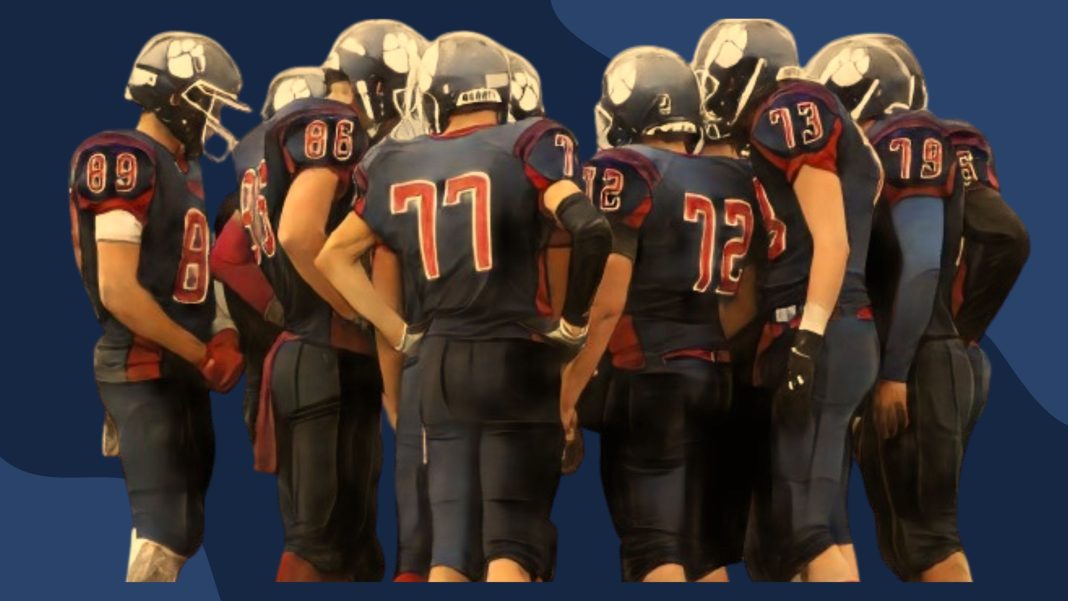
Given the dynamic parallels between athletic teamwork practices and business collaboration, let’s find out why sports’ competitive spirit and strategic playbooks can be game-changers in entrepreneurial team-building.
Apply Sports Team Principles To Business
Teamwork and collaboration in sports provide valuable insights for entrepreneurial team-building strategies. In sports, successful teams demonstrate effective communication, trust, and a shared goal orientation, which are also critical for entrepreneurial teams. For example, consider a soccer team where players must coordinate passes and positions to score a goal.
Similarly, in entrepreneurship, a cohesive team that communicates well and leverages each member’s strengths can achieve business objectives more effectively. Both contexts emphasize the importance of leadership, mutual support, and a unified effort toward achieving common goals, which are essential for success in sports and business.

Adrian Pereira, Co-Founder, Eco Pea Co.
Sports Influence Entrepreneurial Roles And Adaptability
Teamwork and collaboration in sports have a significant influence on entrepreneurial team-building strategies. Both domains emphasize the importance of cohesive, well-coordinated groups working towards a common goal. Here’s how the principles from sports can be applied to entrepreneurship:
Clear Roles And Responsibilities
- Sports – Each player has a specific position and role, contributing uniquely to the team’s success.
- Entrepreneurship – Defining clear roles within a team ensures that each member knows their responsibilities, which enhances efficiency and accountability.
Communication And Trust
- Sports – Effective communication and trust among team members are crucial for executing strategies and responding to dynamic situations.
- Entrepreneurship – Open communication channels and trust within a business team foster collaboration, innovation, and quick problem-solving.
Leadership And Motivation
- Sports – Coaches and captains motivate and guide the team, setting an example and maintaining morale.
- Entrepreneurship – Strong leadership skills are essential in guiding the team, setting a vision, and keeping the team motivated, especially during challenging times.
Adaptability And Resilience
- Sports – Teams must adapt to changing game situations and recover from setbacks.
- Entrepreneurship – Business teams must be adaptable and resilient, learning from failures and pivoting strategies as needed.

Marc Bromhall, Founder, Cape Trek
Basketball Lessons Shape eLearning Team Dynamics
As a lifelong sports enthusiast, I’ve seen how the principles of teamwork and collaboration in sports can significantly influence entrepreneurial team-building strategies. During my high school years, I played point guard on our basketball team. The role taught me the importance of quick decision-making, trust, and clear communication—transferable skills to the business world.
When I started eLearning Industry Inc., I applied these lessons by fostering a culture where every team member’s unique strengths were valued, much like players in a basketball game. One specific example is our editorial team: by encouraging an open exchange of ideas and peer reviews, we created a dynamic environment that continuously pushes the boundaries of quality and creativity. This collaborative approach, much like a well-coordinated sports team, ensures that we remain leaders in the eLearning space.

Christopher Pappas, Founder, eLearning Industry Inc.
Zone Defense Strategy In Entrepreneurial Teams
Teamwork and collaboration in sports more or less mirror entrepreneurial team-building strategies in many ways. For instance, on sports grounds, teams work together to achieve a common goal. This implies leveraging each other’s strengths and compensating for one another’s weaknesses. This principle applies directly to entrepreneurship, where a cohesive team contributes diverse perspectives, raising the bar of innovation and success.
The concept of a “zone defense” in basketball, where each player covers a specific region, is one example. The same concept can be applied to a startup, where members divide responsibilities and expertise into distinct areas to excel in their roles. One such popular brand is Giordano, which is popularly recognized for its superior offerings. Their success can be attributed to the fact that cyclists and experts across the globe have gathered under the brand’s umbrella to combine their expertise and passion so that athletes achieve their goals!

Dhari Alabdulhadi, CTO And Founder, Ubuy New Zealand
Championship Soccer Tactics In Business Teamwork
Teamwork and collaboration in sports greatly influence entrepreneurial team-building strategies by emphasizing the importance of clear communication, trust, and a shared goal. In sports, team members rely on each other’s strengths and work together to achieve victory, which translates well into a business environment.
For example, an entrepreneur who played on a championship soccer team might apply these principles by fostering an open and supportive work culture where each team member’s role is valued, and everyone works together towards the company’s success. This approach not only builds a strong, cohesive team but also drives the company forward with a unified vision and collaborative spirit.

Ryan Farook, Owner, Ryans Mobile Car Detailing
Youth Football Coaching Inspires Entrepreneurial Unity
Teamwork and collaboration in sports can significantly influence entrepreneurial team-building strategies by highlighting the importance of clear communication, mutual support, and defined roles. In sports, successful teams rely on each member understanding their role and working together towards a common goal, which translates well into a business setting.
For example, in youth football coaching, building a cohesive team requires players to understand their position and how they contribute to the overall strategy. This approach can be applied to entrepreneurship by ensuring that each team member understands their responsibilities and how their work contributes to the company’s success. In practice, this means fostering open communication, creating an environment where team members feel supported, and encouraging collaboration to solve problems and achieve objectives. Such strategies can enhance team cohesion and drive better results in both sports and business.

Ryan Wood, Sales Director, Insurance Geek