

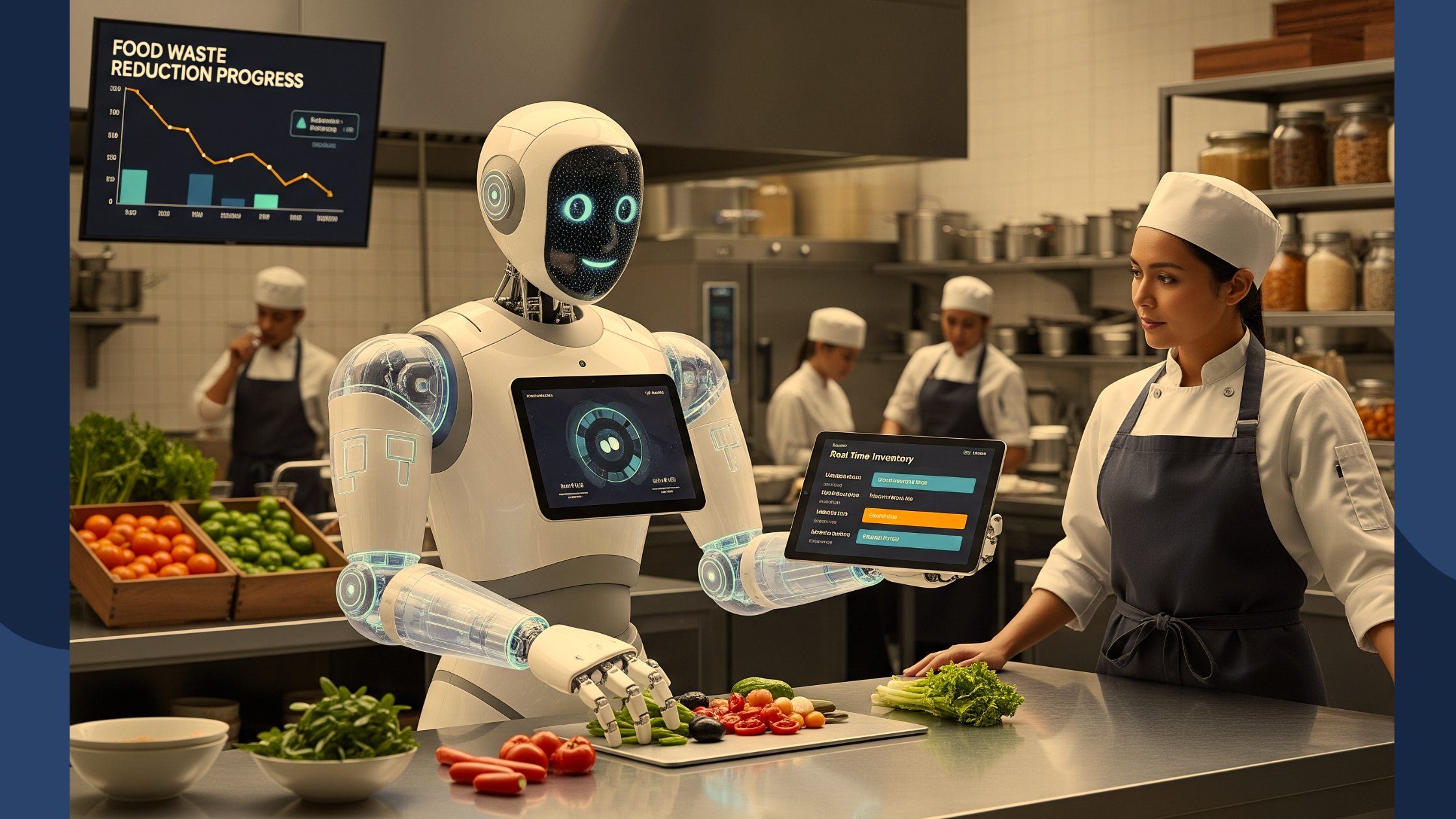
Artificial Intelligence is transforming the restaurant industry, offering innovative solutions to combat food waste. AI significantly impacts several key areas, from inventory management to demand forecasting. Let’s learn how these technologies are changing the kitchen operations environment and contributing to a more sustainable future in food service.
AI Optimizes Restaurant Inventory Management
AI can significantly reduce restaurant food waste through advanced inventory management systems that track ingredient usage patterns. Based on my experience implementing a digital inventory tracking system at Zinfandel Grille and Prelude Kitchen, we reduced food waste by 30% by monitoring our top 20 most expensive ingredients daily. The system alerts us when items are close to expiring, allowing us to prioritize their use in daily specials or adjust our purchasing accordingly. This predictive approach has minimized our environmental footprint and substantially improved our profit margins.

Allen Kou, Owner & Operator, Zinfandel Grille
AI Forecasts Precise Seafood Demand, And Predictive Systems Reduce Ingredient Waste
AI can play a major role in reducing restaurant food waste by accurately predicting ingredient demand. By analyzing historical sales data, seasonal trends, reservations, weather, and even local events, AI systems can forecast how much of each ingredient a restaurant will need. This prevents overordering and cuts spoilage costs.
For example, an AI-powered inventory system at a multi-location restaurant chain analyzed two years of sales data and identified that demand for certain perishable items, like fresh herbs and seafood, dropped sharply midweek. The system automatically adjusted purchasing quantities and delivery schedules, reducing weekly waste by over 30 percent while ensuring ingredients stayed fresh. This predictive accuracy saves money, keeps menus consistent, and creates a more sustainable operation.
AI helps restaurants reduce food waste by revolutionizing their purchasing and preparation methods. Rather than relying on rough estimates or gut feelings, AI systems analyze detailed sales patterns, seasonal fluctuations, and local events to create precise ingredient forecasts. This targeted approach significantly reduces over-ordering of perishable items.
Take fresh seafood, for instance. A restaurant using AI can examine historical ordering data alongside specific day-of-week performance. When the system identifies that salmon dishes consistently sell 30% less on Mondays than on Fridays, it automatically recommends smaller Monday orders. This ensures the kitchen maintains sufficient inventory to meet customer demand without excess fish languishing in storage and potentially going to waste.

Muhammad Abdullah, Director Of Food Technology, Folio3 FoodTech
Smart Tech Enhances Kitchen Efficiency
AI isn’t just for robots and sci-fi—it’s a real-deal tool for getting smarter in the kitchen. In restaurants, food waste hits the bottom line hard. AI steps in like a seasoned line cook who never misses. It watches sales trends, weather patterns, holidays, even local events—and uses all that data to predict exactly how much of each ingredient you’ll need.
Example? Say you’re running a gastropub that crushes it on Fridays. AI sees that the last five sunny Fridays had a spike in burger orders. It knows this Friday’s forecast is clear skies and there’s a concert around the corner. Instead of the usual 20 pounds of ground beef, it suggests 30—and maybe trims back on kale that doesn’t move fast when busy. That means fresher food, less spoilage, and no more tossing pricey product just because it sat too long.
But hey—AI or no AI—at the end of the day, the real savings come from smart kitchen habits: saving bones and vegetable scraps for stocks, trimming meat with purpose, and using every bit of what comes through the door. Tech helps, but knowing how to stretch a product from prep to plate? That’s what keeps the books in the black.

Justin Meadows, Chef/Owner, Block & Rooster Provisions
AI Predicts Weather Impact On Food Orders
AI can cut waste by forecasting demand more accurately than manual ordering systems. For example, a mid-sized restaurant chain integrated AI that analyzed point-of-sale data alongside local weather and event calendars. The system predicted that a rainy weekend would lower dine-in traffic but increase delivery orders for comfort foods. Based on those forecasts, managers adjusted purchasing and prep levels, ordering 18 percent less fresh produce that week. The result was a sharp drop in spoilage without missing customer demand. This predictive capability allows restaurants to align inventory closely with actual consumption patterns, preventing unnecessary waste while safeguarding profitability.

Ydette Florendo, Marketing Coordinator, A-S Medical Solutions
Discover more AI-related topics.


