



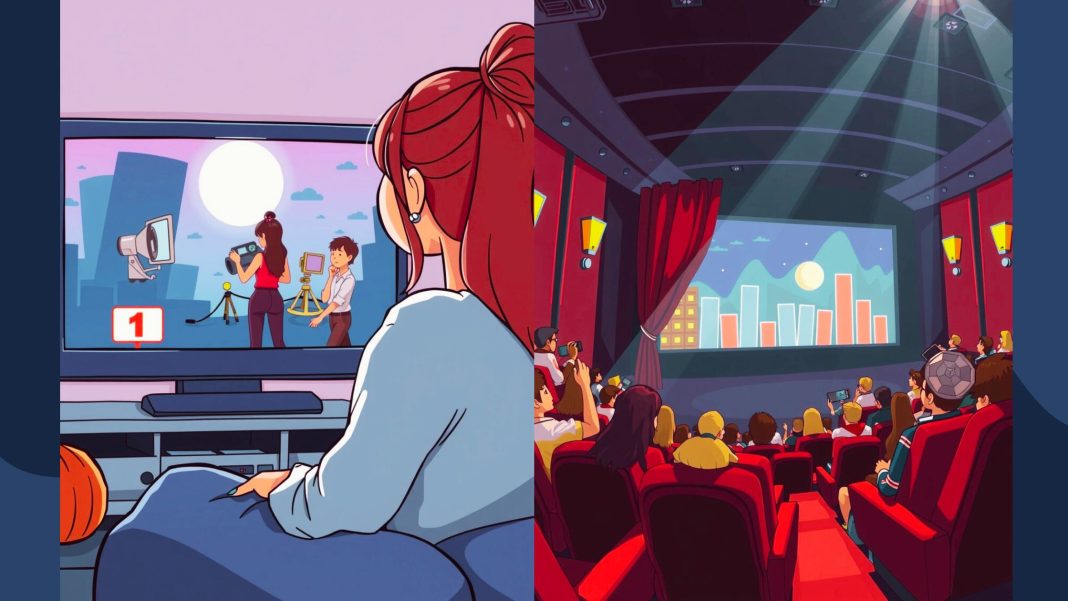
The seismic shift in the entertainment industry due to streaming platforms redefines the traditional movie-going experience. We get into the nuanced debate on how these digital giants impact box office revenues with meaningful insights from leading industry experts. Unpack the transformation of cinematic consumption and the inevitable evolution it’s pressing upon theaters worldwide.
Streaming Platforms Hurt Box Office Numbers
Streaming platforms have definitely hurt box office numbers. With so many big-budget blockbusters going straight to streaming, people do not feel the same urgency to go to the movie theater. It is easier to stay at home and watch something on demand. Movie theaters do not make most of their money from ticket sales. It is all about food and drinks.
Because of that, I think we will start seeing more cinemas offering cheaper tickets and monthly passes where you can watch unlimited movies for a set price. More people will go if going to the movies feels like a better deal. Ironically, streaming might actually make cinema trips feel more special. When everything is available at home, going out to see a movie becomes more of an event. Theaters that lean into that experience will be the ones that last.


Matt Ward, Founder, Eight Pixel
Streaming Changes Movie-Watching Habits
Streaming platforms have significantly impacted traditional box office revenues, reshaping how audiences consume movies. The convenience and affordability of services like Netflix, Disney+, and Amazon Prime have led many consumers to prefer home viewing over theater experiences. This shift is reflected in declining box office revenues in multiple markets—China’s box office revenue, for instance, fell by nearly 23% in 2024, and India’s largest multiplex chain, PVR Inox, reported financial losses due to lower cinema attendance. Similarly, the UK and Ireland saw an 8% drop in box office sales, highlighting a global trend in changing movie-watching habits.
This shift has also led studios to rethink their distribution models. Many have experimented with simultaneous releases in theaters and streaming platforms, while others have opted for direct-to-streaming releases, bypassing cinemas entirely. While these strategies provide cost efficiencies and reach broader audiences, they also reduce potential box office earnings.
To counteract this decline, theaters are adapting by enhancing the in-person movie experience. Many are upgrading their facilities with luxury seating, advanced sound systems, and gourmet food options to make a night at the movies more appealing. Additionally, some cinemas are diversifying their content by offering special screenings, live performances, and niche films to attract different audience segments. While streaming services continue to disrupt the industry, theaters are finding ways to differentiate themselves and maintain their relevance in an evolving entertainment landscape.

Mohammad Haqqani, Founder, Seekario
Streaming Reshapes Entertainment Industry
I’ve always been fascinated by the evolution of digital consumer behavior, and streaming platforms have completely reshaped the entertainment industry—especially when it comes to traditional box office numbers.
Streaming has made content more accessible and convenient, which means fewer people feel the need to go to theaters. When a blockbuster drops on a streaming service within weeks of its theatrical release, audiences weigh the cost and effort of going to a theater versus watching from home. This shift has been particularly noticeable post-pandemic, where many people have grown accustomed to at-home entertainment.
However, streaming isn’t all bad news for the box office. In some cases, it actually drives interest in theatrical releases. A great example is how franchises like “Top Gun: Maverick” and “Spider-Man: No Way Home” saw massive box office numbers even in the streaming era. Strong word-of-mouth from early theatergoers, combined with strategic digital releases, created a sense of urgency for audiences to experience those films on the big screen.
At the end of the day, streaming has forced traditional box offices to adapt. We’re seeing more premium theatrical experiences, hybrid release models, and a renewed focus on event-driven marketing. Theaters won’t disappear, but they will need to evolve alongside consumer preferences.

Streaming Forces Theaters To Evolve
Streaming hasn’t killed theaters—it’s forced them to evolve. The box office now thrives on event-driven spectacles, while streaming dominates mass accessibility and binge culture.
Key Shifts:
- “Opening Weekend Or Bust” – Theaters used to build momentum, but now, a film’s success is decided in its first 72 hours before streaming undercuts ticket sales.
- Streaming’s Algorithm vs. Theaters’ Spectacle – Streaming pushes mid-budget films via AI-driven recommendations, while theaters focus on IMAX-worthy, must-see experiences like “Top Gun: Maverick.”
- Direct-To-Digital Blockbusters – Some high-budget films now skip theaters entirely, proving that box office success isn’t the only path to profitability.
Theaters now cater to big-screen spectacles and nostalgia-driven events, while streaming expands what’s viable. The future? Hybrid releases where both platforms win.

Tansha Casarez, Founder & Lead Visionary, HER BALANCED WORLD
As someone closely following the film industry’s evolution, I can confidently say that the relationship between streaming platforms and the traditional box office is far from black and white. While framing this as a battle in which one must inevitably replace the other is tempting, the reality is more nuanced. Streaming has undoubtedly reshaped how audiences consume content, offering convenience, affordability, and unprecedented choice. It has also pushed studios and theaters to rethink their strategies, leading to hybrid release models, shorter theatrical windows, and an increasing emphasis on spectacle-driven films that demand the big-screen experience.
Yet, despite the rapid growth of streaming, the box office isn’t obsolete—far from it. We’ve seen repeatedly that when the right film comes along, people still crave the communal, immersive experience that only a theater can provide. Blockbusters like Spider-Man: No Way Home and Top Gun: Maverick proved that a strong theatrical run is still possible in the streaming age. The challenge for studios and theater chains is to adapt, finding a balance between these two distribution models rather than resisting change outright.
Looking ahead, I believe this coexistence will define the future of cinema. Streaming will continue to expand, catering to audiences who prioritize accessibility and flexibility, while theaters will remain a destination for event-level films, exclusive experiences, and social outings. The industry’s success will depend on how well it embraces this duality—leveraging streaming for its vast reach while maintaining the magic of the theatrical experience for films that warrant it.
The death of the box office has been predicted many times before, but history shows that it has constantly evolved rather than disappeared. Just as television and home video changed the industry without erasing the need for theaters, streaming will redefine the business without rendering the big screen obsolete. The real question is not whether theaters can survive but how they will transform to stay relevant in a world where streaming is here to stay.


