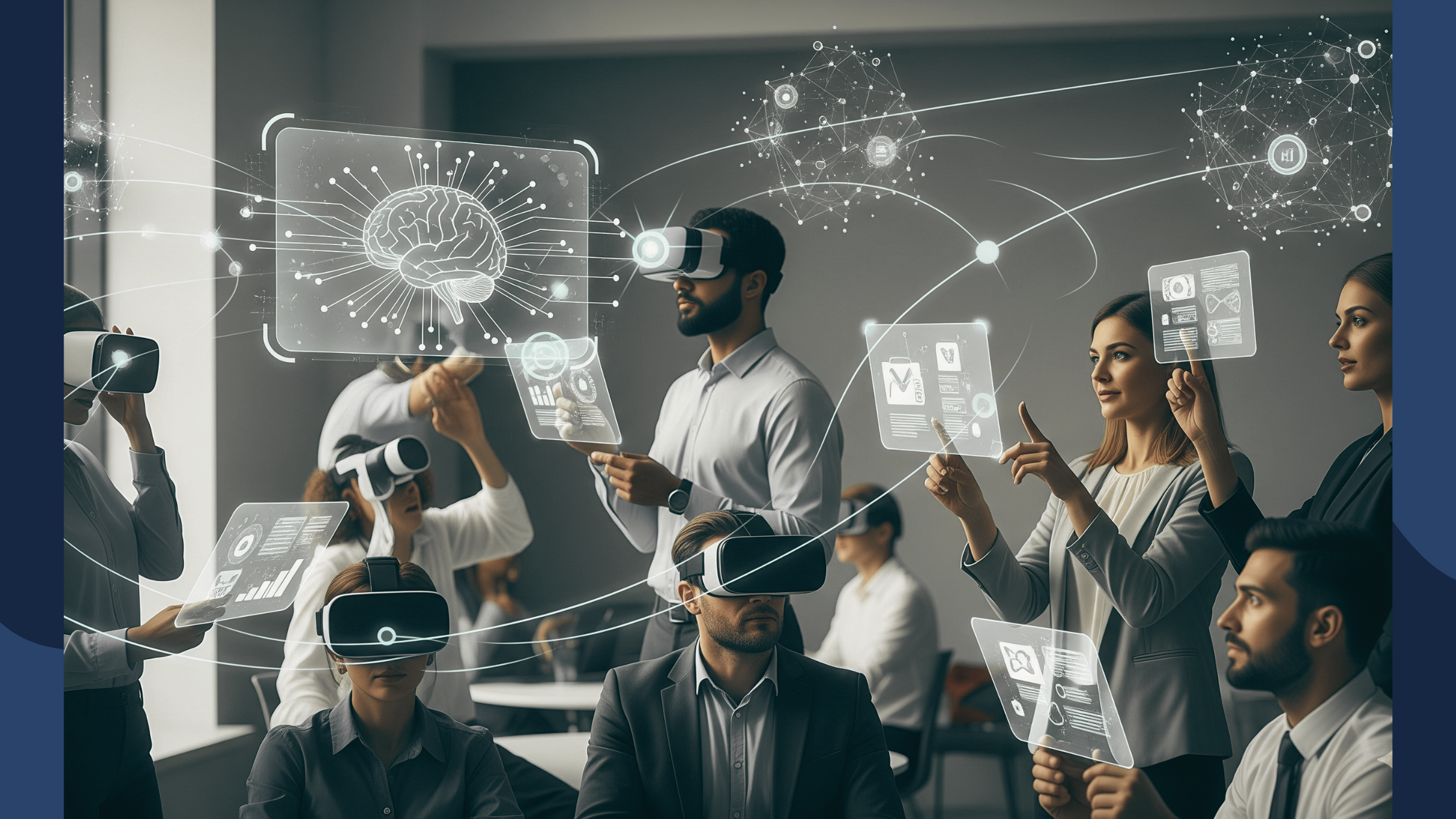
Artificial Intelligence is changing how visitors experience museums. It turns static exhibits into dynamic, interactive adventures and breathes new life into traditional museum displays. From personalized tours to bringing historical figures to life, AI transforms traditional museum exhibits for visitors of all ages.
1. AI Transforms Static Displays Into Interactive Journeys
I recently imagined an AI-driven experience at a local history museum that changed my engagement perspective. Imagine walking up to a traditional artifact display, like a colonial-era map, and an AI system recognizes your presence through a subtle sensor. Instantly, it overlays interactive layers on a nearby tablet or AR headset, showing animated trade routes, historical events, and even short narratives voiced by AI-generated historical figures.
I saw this concept tested in a small pilot exhibit, and visitors spent almost twice as long exploring because they could ask the AI questions in real time, like “How did this trade route affect local communities?” or “What were the economic consequences of this event?” What struck me most was how AI made the story personal and dynamic, transforming a static display into an exploratory experience that felt both immersive and educational. It completely shifted how I think about visitor engagement.

Nikita Sherbina, Co-Founder & CEO, AIScreen
2. Personalized AI Tours Enhance Museum Learning Experience
AI can make museum visits more engaging by turning a simple walk through artifacts into a guided, interactive journey. I’ve seen how people light up when technology adapts to their curiosity. Instead of reading a plaque, they can hear a story told in their own language, with details adjusted to how much they want to learn. That shift from passive viewing to active participation changes the whole experience.
I remember visiting a museum exhibit on Ancient Egypt that was AI and AR powered. When I pointed a device at a broken pot, the screen showed a complete 3D reconstruction. It even animated how the piece was used in daily life. At another stop, I asked the AI about burial traditions, and it gave a clear, personalized explanation. Watching other visitors, from students to tourists, I could tell they were more invested because the exhibit spoke directly to their interests.
If you’re designing a museum experience, think about how AI can guide people along their own path. Use surveys at the start to personalize the tour, offering short highlights and deeper dives. Add real-time translation so everyone feels included. When visitors can see, hear, and even ask questions naturally, they connect with history on a deeper level. That’s what makes the learning stick long after they leave.

Elmo Taddeo, CEO, Parachute
3. Renaissance Art Comes Alive With AI Technology
Imagine walking into a Renaissance art exhibit where AI transforms your museum experience. You’re no longer just observing paintings behind glass but actively engaging with art in personal and exciting ways. As you enter, an AI-powered app instantly customizes your journey based on your interests. If you love portraits, it highlights specific masterpieces and delivers rich commentary about techniques and historical context tailored just for you.
The magic continues when you point your smartphone at a painting. AI-powered augmented reality recognizes the artwork and overlays fascinating digital content directly onto your screen, bringing centuries-old art to life before your eyes. You’ll see short videos demonstrating the artist’s actual painting techniques and animations explaining their creative inspirations. Interactive timelines show what happened when each masterpiece was created, helping you understand why these works matter.
Curious about something specific? You can ask the AI chatbot anything – from what materials the artist used to which other works share similar styles – and receive instant, detailed answers that deepen your appreciation. Museums are even gamifying these experiences through AI-powered scavenger hunts. You’ll receive clues leading you to specific artworks, earning points for identifying hidden details or completing challenges that make learning feel like play.
After your visit, the AI collects your feedback to help museums continuously improve. Your preferences and experiences shape future exhibits, ensuring each visit becomes more engaging than the last. This AI transformation turns passive museum visits into dynamic adventures where art speaks directly to you. You’re not just viewing history; you’re interacting with it in ways that make every exhibit memorable and meaningful.

Steve Dempsey, Owner, The SEO IT Guy
4. AI Brings Historical Figures To Life For Kids
AI could transform a history exhibit into a fully interactive journey where children do not simply read placards but actively converse with figures from the past. Imagine a gallery on the American Revolution where students approach a life-sized projection of George Washington or Abigail Adams. Through natural language processing, the AI character responds directly to their questions with historically accurate information, even adapting answers based on the visitor’s age.
If a younger child asks about daily life, the figure might describe chores or food, while older students could hear about political strategy or letters exchanged during the war. This layered interactivity would give children the sense that history speaks to them personally, building curiosity and connection that a static display cannot provide. For children who often struggle to focus in traditional learning environments, such a scenario invites them to step inside the story, making education feel alive and memorable.

Belle Florendo, Marketing Coordinator, Sunny Glen Children’s Home