

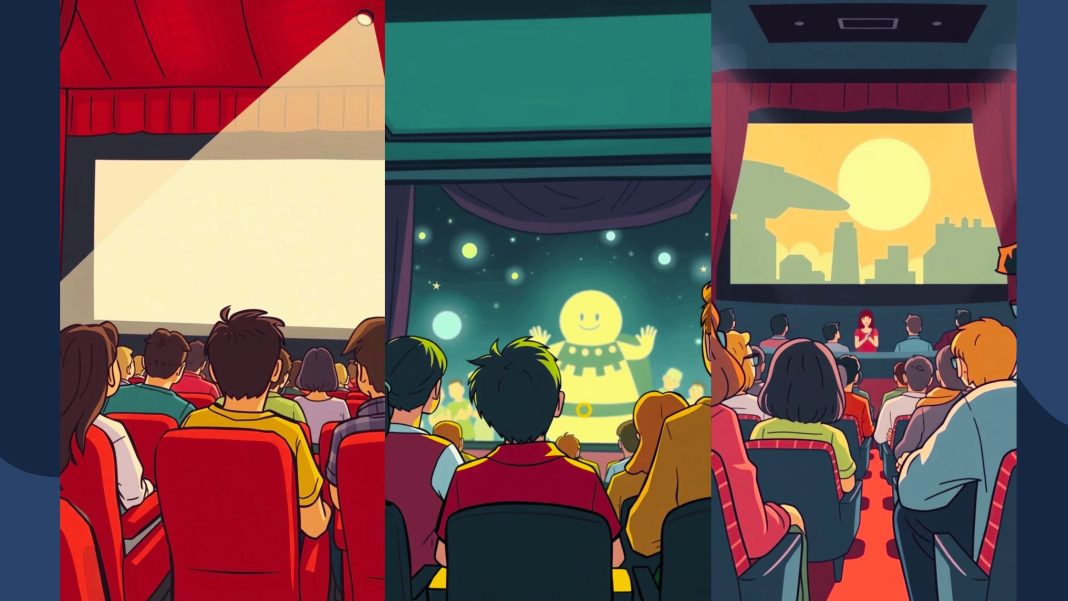
The cinema industry is constantly reshaped by its audience, with their feedback becoming a cornerstone in the movie-making process. With the dynamic relationship between viewer demands and the film industry, let’s hear from seasoned industry professionals. It explains how the collective voice of moviegoers has the power to drive trends, influence production decisions, and even dictate the rise of sequels and franchises.
Audience Feedback Shapes Movie Production
Audience feedback has significantly shaped movie production through test screenings. Studios organize these sessions to gauge reactions to unfinished movies, allowing them to identify areas needing improvement. For instance, if viewers find a particular scene confusing or a character unrelatable, filmmakers can make necessary adjustments before the official release. This process ensures that the final product resonates with audiences, enhancing satisfaction and box office performance. Thus, test screenings serve as a valuable tool for aligning movies with audience expectations.

Brenton Thomas, Founder, Twibi
Fans Drive Demand For Sequels And Franchises
Audiences have totally shaped what studios are making, especially with all the love for sequels and franchises. People can’t get enough of superheroes, reboots, and those big blockbuster universes. Studios know if it’s familiar, it’s gonna bring in the cash, so they’re cranking out what fans want to see again. It’s like, why risk something new when you’ve got a proven formula? Fans drive the bus, and right now, they’re all about the tried-and-true hits, with just enough of a fresh spin to keep it interesting.

Justin Belmont, Founder & CEO, Prose
Indian Cinema Evolves With Audience Demands
Indian cinema, a vibrant reflection of societal values, has undergone a remarkable evolution, driven by the evolving demands of its audience. Once dominated by stereotypical portrayals of women and limited representation of diverse communities, the industry is now grappling with social change and embracing a more inclusive narrative.
For decades, women were often relegated to supporting roles, depicted as damsels in distress or subservient to male figures. Films like “Mughal-e-Azam” (1960) exemplify this, showcasing women as objects of desire and political pawns. However, films like “Aandhi” (1975), starring Jaya Bachchan, marked a turning point, depicting a strong, independent woman challenging societal norms.
The LGBTQ+ community also faced limited and often stereotypical representation. However, films like “Margarita with a Straw” (2014) and “Algarh” (2015) have paved the way for more nuanced portrayals, fostering greater inclusivity. The rise of digital platforms and social media has empowered audiences. Online reviews, discussions, and social media trends directly influence filmmakers, encouraging them to address diverse perspectives and social issues.
Despite progress, challenges remain. Mainstream cinema still lacks representation of marginalized communities, including people with disabilities and lower-caste communities. However, independent cinema’s influence and audiences’ changing attitudes drive a positive shift. As audiences demand more authentic and inclusive stories, the Indian film industry is evolving, promising a future where cinema truly reflects the rich tapestry of Indian society.
Esha Shah, Director, Spry Athletica
Audiences influenced the movie industry and have been the driving force behind some of the most significant shifts. From the golden age of Hollywood to the rise of streaming platforms, viewer preferences have shaped everything from storytelling techniques to box office strategies. I’ve seen firsthand how audience demand for diversity, representation, and immersive experiences has pushed studios to adapt. Whether it is the shift toward franchise-driven blockbusters, the resurgence of independent films, or the growing influence of international markets, the power of the audience is undeniable. Amplified by social media and digital engagement, their voices continue redefining what is made and how it is distributed.
I believe audiences will gain more influence as tech progresses and new generations shape entertainment trends. The rise of AI-driven content curation, interactive storytelling, and global fan communities means filmmakers must stay more attuned than ever to audience expectations. Studios that listen, innovate, and engage with viewers on a deeper level will thrive, while those resistant to change risk fading into obscurity. The movie industry has always reflected the people who support it, and as long as audiences continue to evolve, so will the stories we see on screen.


