Modern music festivals have become more than just gatherings for live performances—they are cultural powerhouses that shape trends, redefine social interactions, and set the stage for artistic and technological innovation. From Coachella in California to Lollapalooza in Chicago, these large-scale events attract diverse crowds, creating temporary microcosms of global culture. The influence of these festivals extends far beyond their physical locations, impacting everything from fashion and social movements to music production and digital engagement.
Historically, music festivals have always reflected the values and sentiments of their time. The 1969 Woodstock festival, for example, was more than just a celebration of rock music—it became a symbol of the counterculture movement, embodying ideals of peace, unity, and rebellion against societal norms. Modern festivals continue this legacy today by serving as platforms for cultural expression and social discourse. Attendees often use these events to showcase individuality, embrace emerging trends, and connect with like-minded communities.
In the digital age, the cultural reach of music festivals has expanded exponentially. Social media platforms amplify the festival experience, making fashion trends, music styles, and even political statements go viral in real-time. For example, the curated aesthetics of festival-goers on Instagram and TikTok influence mainstream fashion brands. At the same time, performances at major festivals often set the tone for the next big musical trends. This interconnectedness between live experiences and digital culture underscores these festivals as a trendsetter, shaping how people dress, interact, and even think about societal issues.
Music festivals remain at the forefront of cultural transformation. Whether through immersive experiences, collaborations with artists and brands, or the adoption of cutting-edge technology, these events are not just about music—they are about shaping culture itself.
Join us as we unveil the symbiotic relationship between modern music festivals and cultural movements, bringing together expert analysis and insider perspectives. Discover how events like Glastonbury reflect and shape societal trends, becoming landmark events. Dive into the transformative power of these festivals on contemporary culture.
Fashion And Style: How Festivals Set Global Trends?
Music festivals are more than just stages for artists—they are runways for fashion trends that influence mainstream and high-end styles worldwide. The vibrant, free-spirited outfits at festivals like Coachella, Burning Man, and Lollapalooza often set the tone for seasonal collections in major fashion houses. Designers take note of festival-goers’ bold aesthetic choices, integrating them into their runway shows and retail lines. The eclectic mix of bohemian, futuristic, and streetwear styles that thrive at these events quickly filters into everyday fashion, shaping how people dress beyond the festival grounds.
One of the most striking aspects of festival fashion is its ability to blend past, current, and future trends into something new. The resurgence of 1970s boho-chic, 1990s grunge, and early 2000s Y2K aesthetics can often be traced back to festival style before they hit mainstream retail. Fringe jackets, crochet tops, neon accents, and oversized sunglasses—these elements may have vintage roots, but they find fresh expression at music festivals. At the same time, festivals encourage futuristic experimentation, with metallic fabrics, LED accessories, and avant-garde silhouettes becoming increasingly popular.
Social media has amplified the impact of festival fashion, turning it into a global phenomenon. Instagram, TikTok, and Pinterest serve as digital catalogs where influencers and celebrities showcase their festival looks, sparking trends that rapidly spread worldwide. Brands capitalize on this exposure, often launching festival-inspired collections right before significant events. The rise of “festival capsules” by companies like Revolve, Free People, and ASOS demonstrates how deeply embedded festival fashion is in the retail industry.
Beyond aesthetics, festival fashion is also a statement of individuality and cultural identity. Attendees use clothing as self-expression, blending global influences with personal style. Sustainable and ethical fashion movements have also found a voice at festivals, with many opting for upcycled, handmade, or thrifted pieces rather than fast fashion. Festivals remain a driving force in shaping how we perceive and engage with fashion, turning temporary trends into lasting cultural movements.
Social Movements And Activism In Festival Culture
Music festivals have long been more than just entertainment—they are platforms for activism, social movements, and cultural change. From their roots in countercultural revolutions to their modern-day commitment to inclusivity, sustainability, and human rights, festivals have the power to inspire action and amplify essential causes, where activism is encouraged and seamlessly integrated into the experience. Whether through artist advocacy, nonprofit partnerships, or direct on-site initiatives, festivals have become catalysts for meaningful social impact.
One of the most potent aspects of festival activism is its ability to bring awareness to pressing issues organically and engagingly. Unlike traditional political rallies or structured campaigns, festivals create experiences that blend music, art, and activism into a unified message. Attendees might engage with environmental initiatives like Leave No Trace at Burning Man or support social justice movements at events like Afropunk, which celebrates Black culture and activism. By weaving these elements into the festival atmosphere, organizers encourage people to think critically, engage in dialogue, and take action long after the event ends.
Many festivals also partner with nonprofit organizations and advocacy groups to create spaces where attendees can learn about social issues and contribute to change. For example, Glastonbury and Lollapalooza frequently feature sustainability initiatives that promote eco-friendly practices, such as banning single-use plastics and encouraging carbon offset programs. Other festivals, like Outside Lands, dedicate entire areas to activism, where festival-goers can register to vote, donate to humanitarian causes, or participate in workshops on racial equality, LGBTQ+ rights, and mental health awareness. These initiatives transform festivals into more than just music events—they become hubs for social progress.
Artists also shape the activist culture of festivals. Musicians use their performances as platforms to speak out on political and social issues, inspiring audiences to take action. From Beyoncé’s historical Coachella performance celebrating Black excellence to Billie Eilish’s climate change advocacy at global festivals, artists leverage their influence to push forward critical conversations. Their messages, amplified by social media, extend beyond the festival, sparking movements that resonate across society.
As the years progress, music festivals as spaces for activism and cultural change only grow stronger. In an era of music and social consciousness increasingly intertwining, festivals provide a powerful stage for artistic expression and meaningful advocacy. They remind us that music has always been a force for change, and in today’s world, that force is louder and more necessary than ever.
Modern Festivals Are Cultural Powerhouses
You know, being in the music scene has really got me thinking about how modern music festivals are like these cultural powerhouses. They’re not only about the tunes. It’s like a fun mix where art, fashion, tech, and even social movements come together—setting the stage for what’s gonna come next in our culture.
Take Coachella, for example. It’s pretty much the global spotlight for “festival fashion.” You see all those boho-chic vibes, flower crowns, and those cool retro styles taking over summer fashion? A lot of that kicks off there. It’s wild how a bunch of music lovers can create a whole cultural wave that influences what we wear, whether or not we’re hitting up festivals ourselves.
And then there’s the whole discovering new music thing. Festivals are where you catch those artists before they really hit it big. I can’t tell you how cool it is to see a fresh talent hold their own on a tiny stage, only to see them headlining in a few years. Look at Billie Eilish—she used those festival moments to connect with a huge crowd, and now she’s like a voice for her generation.
But it’s not just about the fun—festivals are also about sparking big conversations. Burning Man, for example, with its vibe of radical self-expression and sustainability, gets us thinking in new ways about community, creativity, and the way we treat the planet. That kind of cultural shift starts in those spaces but sends waves way beyond them.
Plus, the way festivals are using tech is super cool. With live-streamed performances and virtual reality experiences, they’re connecting fans all over the globe. Tomorrowland has really shown how festivals can keep up and change, bringing that awesome energy to people who can’t be there in person.
For me, these festivals are way more than just events—they’re like cultural engines. They bring folks together, spark new trends, and boost ideas that help us express ourselves. That’s a huge reason why I love being part of the music scene—it’s about the connections we make and the culture we create together.
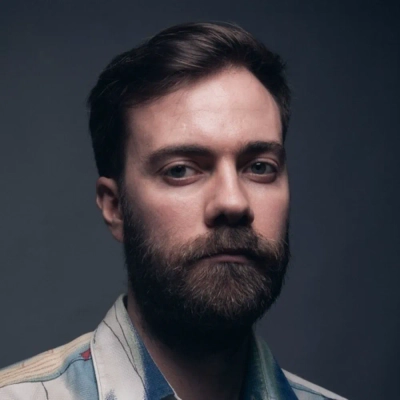
Carlos Palop, CEO, UniteSync
Music Festivals As Hubs Of Tech And Artistic Innovation
Here are twelve reasons why music festivals are hubs of tech and artistic innovation:
1. Cutting-Edge Stage Design And Visuals
Festivals push the boundaries of stage production with massive LED screens, immersive light shows, and holographic displays. Events like Coachella and Tomorrowland feature stages that feel like living, breathing works of art, combining architecture, technology, and storytelling.
2. Immersive Augmented And Virtual Reality Experiences
Many festivals are integrating AR and VR to enhance the fan experience. Whether it’s an interactive AR scavenger hunt or a VR livestream that lets fans “attend” remotely, these innovations redefine how audiences engage with music.
3. Next-Level Sound Engineering And Acoustics
Festivals are constantly experimenting with 3D audio, spatial soundscapes, and next-gen speaker technology to create more immersive listening experiences. Events like EDC Las Vegas utilize directional sound to ensure clarity and depth, even in massive outdoor venues.
4. AI And Machine Learning In Music Curation
AI-driven algorithms are now helping festivals curate lineups, predict crowd preferences, and even generate music in real-time. Some festivals use machine learning to analyze social media and streaming trends to determine which artists will resonate most with their audience.
5. Sustainable Tech For Eco-Friendly Festivals
Many festivals are adopting green technologies, such as solar-powered stages, biodegradable wristbands, and AI-driven waste management systems. Events like Glastonbury and Lightning in a Bottle are pioneering ways to make festivals more sustainable without sacrificing spectacle.
6. Interactive Wearable Tech
Festival-goers are embracing wearable technology like LED-infused clothing, smart wristbands with cashless payment options, and even biometric festival passes. These innovations streamline entry, enhance security, and add a futuristic aesthetic to the festival experience.
7. LiveStreaming And 360-degree Video
The ability to livestream festivals in ultra-HD or 360-degree video has transformed the industry. Fans who can’t attend in person can still experience the energy of a live show through high-quality digital broadcasts on platforms like YouTube, Twitch, and Meta’s VR experiences.
8. AI-Generated Art And Stage Design
Festivals increasingly use AI to create mind-bending visuals, stage concepts, and even interactive art installations. Some events feature AI-driven light shows that respond in real-time to the music, adding a new layer of synchronicity between sound and visuals.
9. Blockchain And NFTs For Exclusive Content
Many festivals embrace blockchain technology to offer unique digital collectibles, VIP experiences, and even NFT-based ticketing systems to combat fraud. This innovation allows fans to engage with their favorite artists while ensuring ticket authenticity.
10. Drone Light Shows And Aerial Displays
Fireworks are being replaced with synchronized drone light shows that create dynamic, eco-friendly visuals in the sky. Festivals like Burning Man and Electric Forest use drones to form intricate patterns, logos, and even animated sequences that elevate the spectacle.
11. Biometric And RFID Access Control
Security and entry systems at festivals have become more sophisticated with biometric scanning, facial recognition, and RFID wristbands. These techs reduce wait times, enhance security, and create a seamless festival experience while gathering real-time crowd data for organizers.
12. Experimental Art Installations And Interactive Exhibits
Festivals serve as launchpads for experimental art that fuses technology with creative expression. Projection mapping, AI-generated graffiti, and kinetic sculptures that respond to sound or movement have become festival staples, turning these events into open-air art galleries.
Music festivals remain at the forefront of artistic and tech breakthroughs, constantly redefining what’s possible in live entertainment. The fusion of music, art, and innovation ensures that every festival is not just an event but a cultural phenomenon.
Glastonbury 2017: A Political Moment
Modern music festivals do more than just showcase music. They shape cultural trends, influence public opinion, and sometimes even spill into politics. I saw this firsthand at Glastonbury in 2017, right before the UK general election.
That year, Jeremy Corbyn was everywhere. His name echoed across the fields in the now-iconic chant, “Oh, Jeremy Corbyn,” which seemed to follow you wherever you went. I remember standing in a crowd of thousands as he took to the main stage before a headline act. The reaction was huge. People weren’t just cheering for a politician; they were celebrating an idea of change.
This festival energy carried into the election. Labour dominated the under-40 vote, securing 66% of 18— and 19-year-olds, 62% of 20— to 24-year-olds, and 55% of those in their 30s. Meanwhile, older voters overwhelmingly backed the Conservatives. But enthusiasm at Glastonbury didn’t fully translate into votes. Turnout among young people was still far lower than that among older generations, who turned out in much greater numbers.
Glastonbury 2017 showed me how festivals can become political moments. For a weekend, it felt like change was inevitable, but the reality at the ballot box was more complicated.

Matt Ward, Founder, Eight Pixel
Wrapping Up
Music festivals have evolved into more than just gatherings for live performances—they are cultural epicenters shaping fashion, tech, activism, and artistic expression. The influence of festivals extends beyond the festival grounds, driving mainstream trends in music production, digital engagement, and even social movements. The rise of live streaming, NFTs, and AI-driven experiences ensures that festivals remain relevant in an increasingly digital world. This allows their impact to reach audiences far beyond those physically in attendance. Additionally, the emphasis on sustainability and activism at many festivals reflects a shift toward more socially conscious entertainment, reinforcing that these events can be both exhilarating and meaningful.
Festivals’ modern culture will grow stronger. They provide a space where artistic experimentation meets tech innovation, cultural trends are born, and communities come together to celebrate shared experiences. Whether through groundbreaking stage design, fashion-forward aesthetics, or immersive digital experiences, festivals set the tone for the future of entertainment and social engagement. In a constantly changing world, music festivals serve as a reminder that live experiences still hold the power to inspire, connect, and transform society in ways that no digital platform alone ever could.