



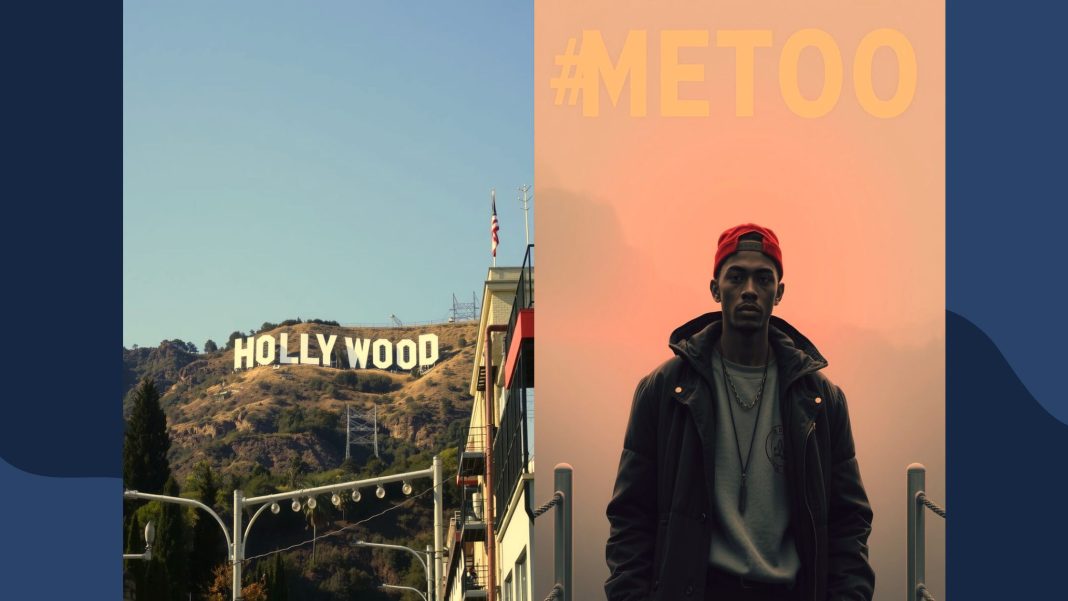
In the wake of the #MeToo movement, we gather top executives to understand its impact on Hollywood’s culture. From fostering transparency and accountability to the rise of intimacy coordinators and safer sets, here are the top four perspectives experts share on the industry’s significant cultural shifts.
Fostering Transparency And Accountability
One significant way the #MeToo movement has changed the culture of Hollywood is by fostering a more transparent and accountable environment regarding sexual harassment and assault. The movement has empowered individuals to speak out against inappropriate behavior, leading to increased awareness and discussions about the pervasive issues of sexism and misconduct in the industry. High-profile allegations against influential figures have prompted major studios and production companies to implement stricter policies and training programs aimed at preventing harassment and creating safer workspaces.
This cultural shift is crucial, as it encourages a greater sense of safety for those in the industry, particularly for women and marginalized groups who have historically faced systemic barriers. It has also sparked broader conversations about gender equality and representation in storytelling. I believe this movement has the potential to create a lasting impact, encouraging not just Hollywood but all industries to prioritize respect and equity. While challenges remain, progress so far signifies a collective commitment to changing the narrative and ensuring that everyone has the right to work free from fear and intimidation.


Shehar Yar, CEO, Software House
Prioritizing Safe, Inclusive Sets
The #MeToo movement has brought transparency and accountability to Hollywood, which was long overdue. One powerful shift I’ve noticed is how studios now prioritize creating safe, inclusive sets. A friend who works in the production shared that intimacy coordinators are standard on many projects, ensuring respectful boundaries. We see similar changes in our industry: voices being heard, fostering respect. The biggest takeaway? Change happens when people come together, demanding better.

Alex Taylor, Head Of Marketing, CrownTV
Encouraging Open Dialogue About Harassment
The #MeToo movement has significantly changed Hollywood by fostering a culture of accountability and encouraging open dialogue about harassment. Business leaders should prioritize creating safe environments where employees feel empowered to voice their concerns. This shift involves strong policies and training to support victims, ultimately leading to healthier workplaces.
I recall attending a film industry event shortly after #MeToo gained momentum. Conversations shifted from industry gossip to candid discussions about personal experiences with harassment. It was inspiring to see industry leaders engage meaningfully with these stories, reflecting a profound cultural change.
This transformation hinges on the recognition that silence is no longer acceptable. Hollywood has begun implementing stricter conduct guidelines, fostering transparent reporting processes, and supporting victims. These measures deter misconduct and promote a culture of respect, leading to a more equitable industry.
Ultimately, the impact of #MeToo extends beyond Hollywood, showing that organizations prioritizing safety and respect see benefits in employee morale and productivity. This momentum can inspire change across various sectors, ensuring that the lessons learned from #MeToo lead to lasting improvements in workplace culture.

Spencer Christian, Founder, Christian Companion App
Rise Of Intimacy Coordinators And Safer Sets
The #MeToo movement has pushed Hollywood toward a culture of accountability, changing how people approach power dynamics and behavior on set. One clear shift is the rise of intimacy coordinators, ensuring that actors feel safe during sensitive scenes. It has also made reporting misconduct more accessible, with stricter policies now in place. I think these changes are making Hollywood safer, but there’s still work to do. The movement has started long overdue conversations, leading to real change.
Tanya Lamont, CEO, Conversational


