
One vital element in digital banking is statistical modeling. This shapes financial forecasting within the industry. By leveraging data and advanced analytics, digital banks can make more accurate predictions, ultimately enhancing their strategic decision-making capabilities.
In this blog post, I’ll explore how statistical modeling transforms financial forecasting, drawing insights from recent research on predictive analytics in finance. Understanding these methods is essential for anyone looking to grasp the future of financial services in our increasingly digital world.
Understanding Financial Data
Understanding financial data is crucial for digital banks. It helps them predict market trends with greater accuracy. Analyzing historical data allows us to spot patterns and make informed decisions about future market movements. This knowledge is invaluable, especially in a fast-paced digital banking environment.
Statistical modeling further enhances the accuracy of financial forecasts. These models use complex algorithms to analyze vast amounts of data. Time series prediction and customer behavior analysis are employed to generate reliable forecasts. Such methods are increasingly integrated into Decision-Support Systems. This integration enables digital banks to make strategic decisions, minimize risks, and optimize outcomes.
With these tools, digital banks can forecast market trends and adapt in real-time. This agility is essential for staying competitive in the finance sector. Therefore, mastering financial data and statistical modeling is key for anyone involved in digital banking.
Integrating Statistical Modeling
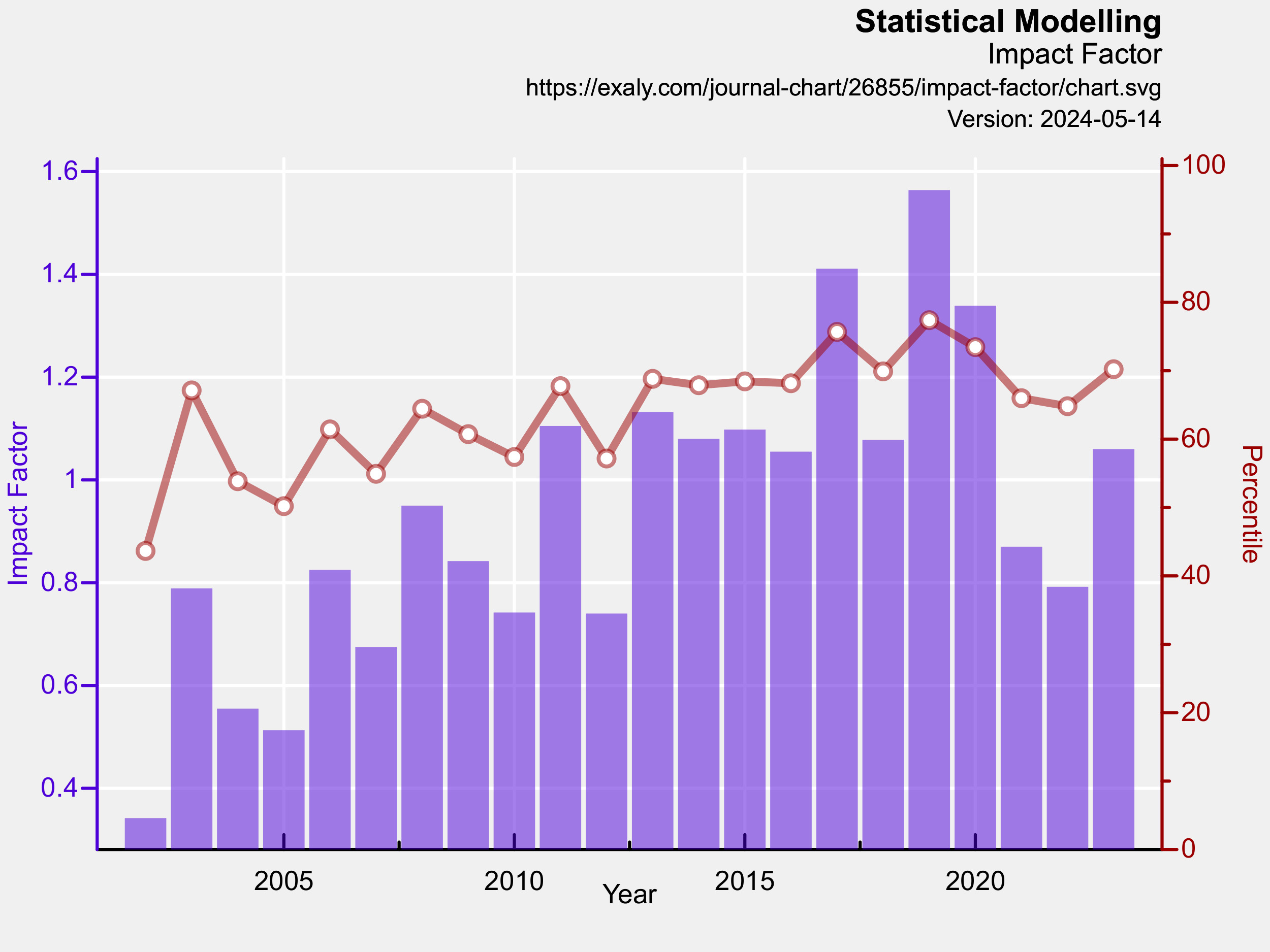 An example of statistical modeling. Image By: Exaly, CC BY-SA 4.0 https://creativecommons.org/licenses/by-sa/4.0
Integrating statistical models into financial predictions significantly enhances their accuracy. These models analyze vast amounts of data using algorithms. For example, time series prediction helps us track market trends over time. By doing this, we can forecast future market movements more reliably. With customer behavior analysis, we can precisely predict how customers will act in different financial scenarios. This leads to better decision-making and improved strategic outcomes.
Another crucial benefit of integrating statistical models is optimizing risk management strategies. When we use tools like credit risk assessment, we can better evaluate the likelihood of a borrower defaulting on a loan. This helps us manage and mitigate risks more effectively. These models are increasingly used in Decision-Support Systems. This integration enables us to make informed decisions and optimize risk management strategies.
Here are some key benefits of using statistical models for risk management:
| Benefit | Explanation |
|---|---|
| Better Risk Assessment | Accurate evaluation of potential financial risks. |
| Improved Decision-Making | Data-driven strategies leading to smarter choices. |
| Enhanced Fraud Detection | Real-time analysis to identify fraudulent activities. |
In summary, integrating statistical models into our financial operations is essential. It not only boosts the accuracy of our predictions but also enhances our risk management strategies. This makes us more agile and competitive in the fast-evolving finance sector.
Enhancing Decision-Making
Statistical modeling helps us predict future financial trends accurately. These models use algorithms to analyze large datasets. For example, time series models track variables over time to forecast future changes. This allows us to anticipate market shifts and adjust our strategies accordingly. By doing so, we can make data-driven decisions more likely to succeed.
Enhanced decision-making through statistical models reduces risks and increases profitability. We can avoid risky financial moves with accurate predictions, helping us mitigate potential losses. By understanding trends and customer behavior in advance, we can make strategic choices that boost our profits. For example, predictive analytics can help us build budgets and optimize risk models.
Here are some ways statistical models improve decision-making:
- Better Risk Management: This allows us to evaluate and mitigate risks effectively.
- Real-Time Adjustments: Enables us to adapt quickly to market changes.
- Customer Insights: Provides a deeper understanding of customer behavior for personalized services.
Integrating statistical models into our decision-making processes makes us more agile and competitive in the fast-evolving financial sector. By using these models, we enhance our ability to predict future trends and refine our overall strategy for better financial outcomes.
Reducing Financial Risks
Statistical modeling has become essential for digital banks to predict market trends and reduce financial risks. Advanced algorithms allow us to analyze vast datasets to understand market behaviors, which helps us forecast potential financial pitfalls. For example, predictive analytics can anticipate stock market movements and adjust our strategies accordingly.
By analyzing extensive datasets, we can identify patterns and trends that may not be obvious at first glance. This allows us to forecast potential financial issues before they become problematic. For instance, detecting outliers in data might indicate fraud or unexpected market shifts. As a result, we can take preemptive measures to mitigate these risks. This proactive approach helps us avoid significant financial losses and maintain stability.
Here are some key advantages of using statistical modeling for risk reduction:
- Enhanced Forecasting: Predict future market trends with greater accuracy.
- Risk Mitigation: Identify and address potential financial pitfalls early.
- Proactive Measures: Implement strategies to avoid losses before they occur.
Overall, integrating statistical modeling into our financial strategies allows us to stay ahead of potential risks. This ensures we can maintain financial stability and make informed decisions safeguarding our assets.
Utilizing Big Data
Big data identifies spending patterns and customer behavior. By analyzing massive datasets, we can pinpoint trends in how people spend their money. This profound insight allows us to make accurate financial forecasts. Knowing customer behavior helps us predict future spending habits. For example, if data shows increased online shopping during holidays, we can forecast higher transaction volumes.
Utilizing big data also allows us to make real-time adjustments in predictive models. This ensures our forecasts remain both relevant and accurate. By continuously updating our models with new data, we can respond quickly to market changes. Real-time adjustments mean we can tweak our predictions as new information becomes available. For example, if a sudden economic event occurs, we can update our models to reflect the new reality.
Here are some key advantages of using big data for financial forecasting:
- Improved Accuracy: Detailed datasets offer precise insights into spending behavior.
- Real-Time Updates: Keeps forecasts up-to-date with the latest data.
- Adaptability: Quick response to new information ensures reliability.
Integrating big data into our financial strategies helps us stay ahead in a rapidly changing market. By continuously refining our models, we ensure our financial forecasts are both accurate and actionable.
Advanced Algorithms
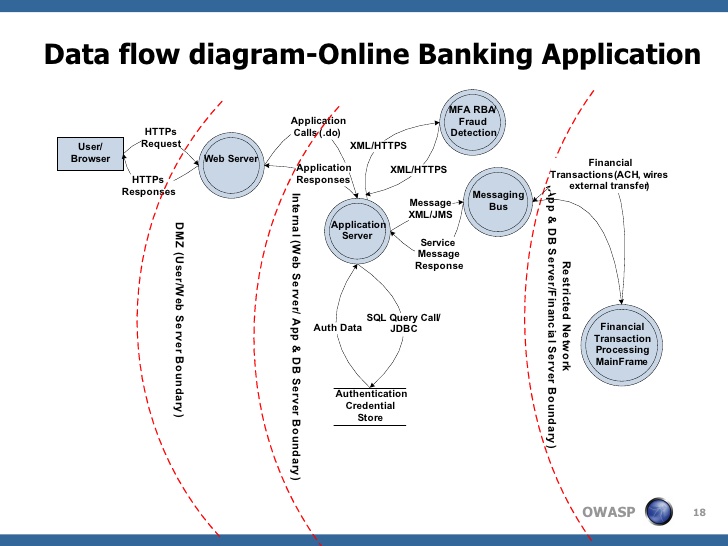 An example of a data flow diagram for an online banking application that can be utilized for Algorithms. Image By: Wei Zhang & Marco Morana OWASP Cincinnati, U.S.A., CC BY-SA 4.0 https://creativecommons.org/licenses/by-sa/4.0, via Wikimedia Commons
Advanced algorithms improve predictive accuracy in financial forecasting by leveraging large datasets. These algorithms analyze vast amounts of data to identify patterns and trends that human analysts might miss. For instance, they can process historical financial data to detect shifts in market behavior, allowing us to forecast future financial trends more precisely.
Machine learning algorithms enhance traditional statistical models. We gain deeper insights into customer behavior and market trends by integrating machine learning. These algorithms adapt over time, improving accuracy as they process more data. They can predict customer preferences and spending habits more effectively. This adaptability helps us make better financial decisions.
Why Use Advanced Algorithms?
- Increased Accuracy: Algorithms can analyze large datasets for precise forecasts.
- Deep Insights: Machine learning offers a better understanding of customer behavior.
- Adaptability: Models improve over time, ensuring reliable predictions.
These advanced algorithms transform how we approach financial forecasting. They allow us to make data-driven decisions quickly. This speed and efficiency are essential in today’s fast-paced market. By embracing these technologies, we stay ahead of the competition.
“AI-driven financial forecasting is transformative, improving predictive accuracy and becoming essential for financial markets.“
Using these algorithms in our financial strategies offers numerous benefits. They help reduce costs by improving budget accuracy, minimize risks by modeling various financial scenarios, and detect fraud by processing large datasets in real-time. These advantages make advanced algorithms indispensable in financial forecasting.
Integrating advanced algorithms and machine learning into financial forecasting offers significant benefits. It enhances accuracy, provides deeper insights, and improves adaptability. We can make better financial decisions and stay competitive by leveraging these technologies.
Predictive Analytics
Predictive analytics helps digital banking forecast customer behavior with high accuracy. By analyzing past data and current trends, we can predict what our customers will do next. This includes their spending habits, savings patterns, and even their likelihood of default on loans. Understanding these behaviors allows us to offer tailored services and products. For example, if customers are likely to save more in the coming months, we can offer them a higher-interest savings account. This level of personalization improves customer satisfaction and loyalty.
Using predictive analytics, digital banks can anticipate market trends and adjust strategies accordingly. We can analyze various economic indicators and customer behaviors to foresee market changes. For instance, rising unemployment rates might indicate a future increase in loan defaults. We can adjust our lending policies to minimize risk by predicting these trends. Additionally, we can identify investment opportunities by spotting emerging trends early. This proactive approach ensures we stay ahead of competitors and achieve better financial outcomes.
What Are The Importance Of Predictive Analytics?
- High Accuracy: Predicts customer behavior accurately by analyzing historical and real-time data.
- Market Foresight: Anticipates market trends, allowing for strategic adjustments.
- Personalization: Offers tailored services that enhance customer satisfaction.
- Risk Management: Identifies potential risks, enabling proactive policy adjustments.
“Predictive analytics in finance helps forecast financial outcomes, improving accuracy and efficiency.“
Predictive analytics offers numerous advantages. It enhances our ability to forecast accurately, anticipate market trends, and adjust our approach accordingly. This empowers us to make informed, data-driven decisions that benefit the bank and its customers.
Performance Metrics
Statistical modeling boosts accuracy in tracking digital banking performance metrics. We can gauge various performance indicators with greater precision by applying statistical models. This helps us understand how well our digital banking services are performing. For example, we can track the success rate of online transactions or measure customer engagement levels. Using statistical models to track these metrics ensures our data is accurate and reliable. This enhances our ability to make informed decisions based on concrete data.
Performance metrics derived from statistical models help predict financial trends effectively and provide valuable insights into future financial conditions. For instance, we can expect changes in customer spending or savings patterns. Analyzing these predictive metrics allows us to prepare for upcoming trends and adjust our strategies accordingly. This approach not only helps us mitigate risks but also identifies growth opportunities. Such foresight is crucial in maintaining a competitive edge in the digital banking industry.
Why is Statistical Modeling Important In Performance Metrics?
- Improved Accuracy: Ensures precise tracking of key performance indicators.
- Enhanced Predictive Power: Provides insights into future financial trends.
- Data-Driven Decisions: Facilitates informed decision-making based on accurate data.
- Risk Management: Helps identify and prepare for potential risks.
“Statistical models improve the accuracy and efficiency of financial predictions, as supported by research in predictive analytics.“
Including statistical models in our performance metrics strategy offers significant benefits. Enhancing our metrics’ accuracy and ability to predict financial trends allows us to make better, data-driven decisions. This strengthens our risk management capabilities and helps us capitalize on emerging opportunities in the digital banking sector. For further insights, refer to this research on predictive analytics in finance.
Adapting To Change
Statistical modeling is vital for digital banks to adapt to market changes. By providing accurate financial forecasts, we can better predict future trends. This reduces risks and uncertainties. For instance, statistical models help us gauge how shifts in the market will affect customer behavior. This allows us to make well-informed decisions.
Through continuous data analysis, we can quickly respond to new trends and customer behaviors. This helps us stay competitive in a fast-changing financial industry. By analyzing data in real-time, we can spot emerging patterns early. This gives us the agility to adapt our strategies on the fly. For example, we can adjust our product offerings to meet new customer demands.
| Why Adapt To Change? |
|---|
| Accurate Forecasts: Enables precise financial predictions. |
| Risk Reduction: Minimizes uncertainties and potential losses. |
| Real-Time Adaptation: Allows quick responses to market and customer changes. |
“Financial forecasting involving predictive analytics helps make accurate predictions and reduces risks significantly.”
Digital banks can stay ahead of the curve by leveraging statistical modeling and continuous data analysis. This approach helps mitigate risks and opens up growth opportunities.